THE INCORRECTNESS OF COKE
At the Coca-Cola Company's annual meeting of shareholders on April 19, CEO Neville Isdell announced positive first-quarter results and then solicited comments from the audience on the election of directors. The first response came from Ray Rogers, a longtime labor activist - but Rogers had no intention of talking about the makeup of Coke's board. Instead, he delivered a two-minute tirade on corporate perfidy: "The World of Coca-Cola [is] a world full of lies, deception, immorality, corruption, and widespread labor, human-rights, and environmental abuses."
If the words sounded rehearsed, it wasn't merely because Rogers had prepared his statement in advance: He has uttered this line, with its reference to the Coke memorabilia museum in Atlanta, on many occasions. His favorite venues are colleges and universities, where an anti-Coke movement has grown among left-wing activists for several years. They accuse the company of murdering union leaders in Colombia, causing water shortages in India, and violating worker rights in Indonesia and Turkey. Because of the efforts of Rogers and his allies, more than a dozen schools have terminated contracts with the soda maker or expelled its vending machines from cafeterias and dormitories. Activists frequently refer to Coke as "the new Nike" - a reference to a student-led anti-sweatshop movement that went after the shoemaker in the 1990s for the allegedly sorry state of its foreign factories. Right now, the campaign to stop "Killer Coke" is perhaps the trendiest protest movement on campus.
It hasn't affected Coke's bottom line, according to Isdell. But company officials have responded aggressively: They've created a website (CokeFacts.org) to rebut various allegations; bought a domain name (KillerCoke.com) that directs potential critics to their website; and sent teams of representatives to campuses that have considered cutting ties. They're clearly worried about the effects of a long-term smear campaign orchestrated by radicals determined to beat the Real Thing. The company is doing what it can to persuade open-minded students that slogans are no substitute for facts, but there's no shortage of closed minds. "Some people won't ever be satisfied because for them this is ideological," says Isdell. "Their goal is actually anti-capitalist."
Coca-Cola is of course a potent symbol of American capitalism. From its humble origins in a Georgia pharmacy in the 1880s, Coke has become a global drink of choice. The company estimates that its products are consumed 1.3 billion times per day. BusinessWeek magazine rates it the most valuable brand in the world.
Perhaps inevitably, Coke has become an appealing target for America-haters everywhere. As U.S. economic influence spread after the Second World War, Communists in France and elsewhere derided "Coca-Colonization." Just a few years ago, in the Wahhabi equivalent of playing Led Zeppelin records backwards and listening for satanic mutterings, some Muslims argued that the mirror image of Coca-Cola's familiar script delivered an anti-Islamic message in Arabic. Since then, French entrepreneur Tawfik Mathlouthi has introduced Mecca Cola, a Coke competitor with a red-and-white label. He says his goal is to fight "America's imperialism and Zionism by providing a substitute for American goods." At first, Mecca Cola was stocked only in small ethnic stores in a few European countries, but now it can be found on supermarket shelves across the continent, as well as in the Middle East. A portion of the proceeds are earmarked for the Palestinians.
Rogers says he became involved in this latest anti-Coke crusade nearly four years ago, when members of a Colombian union, Sinaltrainal, came to his office in New York with stories about the murders of labor leaders by right-wing paramilitaries. "I wasn't looking to get into this fight," he says. But the Colombians definitely were looking for him: Rogers has a reputation as an innovative activist who cut his teeth in the 1970s during a celebrated labor struggle against the textile manufacturer J. P. Stevens (an incident that later became the subject of the movie Norma Rae, for which Sally Field won an Oscar). Since those glory days, however, Rogers has become a radioactive figure among established unionists, especially because of his involvement in a botched strike against Hormel in the 1980s. But he is still occasionally sought out by labor interests seeking to advance causes by unconventional means. He runs a shoestring operation, which was perfect for the Colombians, who couldn't afford to pay him anything.
"I was moved by their story," says Rogers. "So I started an investigation of Coke." This "investigation," he admits, did not include any site visits: "I've never been to Colombia, but I'd love to get there." Nor did it involve a single contact with the Coca-Cola Company itself; Rogers didn't actually sit down with a Coke employee until last spring when he agreed to a meeting at Coke's request. "When I get involved in a campaign, I don't seek out corporate executives," he explains. "I represent people."
The people he ostensibly represents - those Colombians - say that right-wing paramilitaries killed eight union members between 1989 and 2002 and that these deaths were coordinated with Coke officials who were trying to weaken the unions at local bottling plants. These charges aren't even close to proven. Two judicial inquiries in Colombia found no evidence to support them. In 2003, a federal judge dismissed Coke as a defendant in a frivolous case filed by the International Labor Rights Fund. The IUF, the labor organization that represents more Coke workers than any other union in the world, has condemned the anti-Coke movement: "The boycott call is based on unsubstantiated allegations and empty political slogans. This call for a boycott will damage, rather than strengthen, the credibility of all those seeking to secure union rights for all employees in the Coca-Cola system." Rogers bristles at the mention of IUF: "From the start, it's been a thorn in my side."
It's also impossible to ignore the fact that Colombia has suffered from a prolonged civil war, in which both left-wing and right-wing groups have killed thousands of Colombians. That some of these deaths would touch union members who work at Coke facilities, where the unionization rate is considerably higher than it is elsewhere in the country, should not come as a shock. Even so, Sinaltrainal leaders have said that the families of the slain workers ought to receive payments equal to the salary of Coke's CEO. Rogers, for his part, notes that Coca-Cola paid nearly $200 million a few years ago to settle a class-action lawsuit based on racial discrimination. "They can afford this," he says.
Taking on a huge company such as Coke presents an enormous challenge - but Rogers's strategy doesn't call for a broad-based consumer boycott that would certainly flop. Instead, he seeks to achieve a series of small campus-level victories that generate unwelcome publicity for a brand-sensitive company as well as a sense of momentum for college students who are looking for a fashionable cause. "One of the reasons Rogers can attract students is because he can make them feel like they're participating in something by not doing anything at all," says Jarol Manheim, a political scientist at George Washington University who studies anti-corporate movements. "All they have to do is quit drinking Coke." Social responsibility has never been easier, especially with Pepsi available as an alternative.
To start the campaign, Rogers cherry-picked small schools such as Lake Forest College in Illinois and Bard College in New York. Last year, however, he scored a bigger victory when Rutgers ended an exclusive contract with Coke. By the end of 2005, both New York University and the University of Michigan had banned Coke. At Michigan, the administration demanded that Coke prove its innocence by cooperating in an independent investigation of the activists' key claims. Rogers was on a roll.
The irony is that by thinking globally and acting locally, these Coke bans can punish American unionists. Because Coke is bottled close to where it's sold all over the planet, a decision by the University of Michigan to halt Coke sales exerts precisely no pressure on bottlers in Colombia - but it does threaten union jobs in the Detroit area. "We fill those machines in Ann Arbor, so this hurts us and we don't have anything to do with what's going on in Colombia," says Richard Gremaud of Teamsters Local 337. Does Rogers care about these American workers? "In any kind of solidarity, there is pain," he replies. Gremaud feels differently: "If he was losing his job, he wouldn't say that."
The good news for these Teamsters is that the University of Michigan's administration rescinded its ban in April: Coke agreed to an independent investigation by the International Labor Organization, a branch of the United Nations. A report is expected this fall. Although the investigation hasn't even started, Rogers is already condemning it on the grounds that Ed Potter, a high-level Coke official, is a member of the U.S. delegation to the ILO. "There are 640 people who have a final vote in the ILO conference's legislative process," says Potter. "I have one of them, and I won't have anything to do with this investigation. To suggest that there's any undue influence is preposterous."
But it's an allegation Rogers needs to have ready, because an exoneration of Coke by the ILO would deliver a solid blow to his efforts. Rogers, in fact, has had to deal with a handful of recent setbacks. In Britain, the National Union of Students, a large purchasing co-op, voted to continue its relationship with Coke. And in the United States, there may be an emerging pro-Coke counter-movement: When a debate over Coke reached Michigan State University in East Lansing earlier this year, students affiliated with Young Americans for Freedom passed out fliers in support of the company.
In the end, the anti-Coke movement may fizzle like a can of pop that's been open too long. There's even a chance it will end almost exactly the same way the Coke shareholders meeting did in April: with Ray Rogers standing in the back of the room, shouting about how he hadn't been allowed to speak, even though he had.
Source
Saturday, July 08, 2006

FOOD FREAKS LOSE A ROUND
A proposed ban on a popular kids' food backfires
Jonathan Durkee has two words for state Senator Jarrett Barrios : Thank you. Durkee is treasurer of the Lynn company that produces Marshmallow Fluff, which Barrios targeted last month when he tried to ban the Fluffernutter sandwich from school lunches .
But Barrios did not realize how much of a New England icon sweet marshmallow spread slathered over white bread and twinned with peanut butter was. The bill to ban it drew legions of protective Fluffernutter patriots to arms. In a profile-in-courage counterattack, a state representative even proposed making the Fluffernutter the official sandwich of Massachusetts. The Fluffernutter Wars were on.
``Nightline" chimed in, along with Regis and Kelly and The Los Angeles Times. Red-state Americans who never heard of Fluff began to wonder what it was, and displaced New Englanders around the country started licking their lips with a Pavlovian reflex forged in childhood. Fluffernutter: Home. Eat. Happy. Good. Then the inevitable. Internet orders sent to the mother ship in Lynn skyrocketed 800 percent from 10 to 80 cases a day -- and not just from expatriate Bostonians. Curious Fluffernutter first-timers like James Harmon of Nashville dialed in. ``I read a couple articles and saw a story on CNN," he wrote in an e-mail. ``So I had to try [it]."
Durkee said it was too early to tell if the bump would carry through to the holiday season, when sales typically peak. In Lynn, fingers remained crossed. A thank-you letter to Barrios? Not yet in the mail
Source
Friday, July 07, 2006
Viagra in a tube: "First there were potions, then pumps, then pills. But finding help for problems with sexual arousal could soon be as easy as buying toothpaste - with the arrival of an impotence treatment in a tube. A gel expected to become the world's first over-thecounter medication for erectile dysfunction was announced yesterday to a clamour of excitement from pharmaceutical executives and claims of a new sexual revolution. The non-prescription treatment, which would be available from pharmacies and supermarkets, will bring anti-impotence treatments into the consumer mainstream as never before if it passes clinical trials. The gel, codenamed MED2002, is being developed by Futura Medical in collaboration with GlaxoSmithKline and is designed to be applied directly to the penis.... James Barder, the chief executive of Futura, said yesterday that MED2002 could be in the shops within three years, having already proved its efficacy in initial trials."
MORE ON THE CORRECTNESS OF BREAST-FEEDING
The New York Times shocked women last week with an astonishing article in its "Science Times section" titled, "Breast-feed or Else." While laying claim to a balanced approach by describing as "controversial" a public health campaign that compares the failure to breast feed as equivalent to smoking while pregnant," the paper, nevertheless, ended up producing an extremely biased article. In claiming positive outcomes to breast feeding that are unjustified by scientific studies, the Times effectively told parents that giving their babies formula is tantamount to letting them smoke.
But the costs of nursing are substantial: the reduced time for work due to the need to pump, nurse, eat and sleep has a huge economic and social impact on women and their families. Nursing can also lead to depression or other unhealthy emotional states. It can be painful, and there are sometimes medical reasons why nursing is not recommended. Human cytomegalovirus (HCMV) infections can be transmitted by breast milk and can cause considerable problems in newborn babies - and sometimes lead to life-threatening illnesses. Drug addicts obviously should not nurse; but even smokers and drinkers ought to consider the impact (and quantity) of their use on their babies.
And for some women the milk simply isn't there despite conscientious efforts. This can lead to either health problems for the baby who isn't getting enough calories, or paying $4-$10 per ounce for donated milk (if it's available). For a five-month old baby downing about 30 ounces a day, that's one pretty little college fund gone in human milk.
For these reasons, many scientists have investigated the purported benefits of human breast milk for infants (largely ignoring the mother in their calculations), and the results are mixed. Only in a narrow segment of the population is nursing actually a bad idea, but the real question is how good is good? Can we quantify the extra benefit? Is nursing really so much better than formula that we can make a similar comparison to the risk of smoking and not smoking?
In affirming this comparison, the Times extensively quoted Dr. Lawrence Gartner, chairman of the breast-feeding section of the American Academy of Pediatrics (AAP). Gartner claimed that breast-feeding protects "against acute infectious diseases - including meningitis, upper and lower respiratory infections, pneumonia, bowel infections, diarrhea and ear infections." The Times added that the AAP claims "Some studies also suggest that breast-fed babies are at lower risk for sudden infant death syndrome and serious chronic diseases later in life, including asthma, diabetes, leukemia and some forms of lymphoma."
In the AAP primary scientific position statement (hosted on the front page of their breastfeeding page), the organization states "Extensive research using improved epidemiologic methods and modern laboratory techniques documents diverse and compelling advantages for infants, mothers, families, and society from breastfeeding and use of human milk for infant feeding. These advantages include health, nutritional, immunologic, developmental, psychologic, social, economic, and environmental benefits."
We decided to take a closer look at these claims than the Times did; the real story is both surprising and reassuring. We start with the scariest question first: Will babies die if they are not nursed? According to the American Academy of Pediatrics (AAP), breastfeeding leads to a 21 percent decrease in the death rate of babies in an age range over one month and under one-year old. But turn to the AAP's source. The scientific study used to support this claim found that babies who are nursed are less likely to die. of injuries! While it may be hard to explain away that data, it is hard to believe that the AAP is recommending that exhausted, tired, guilt-ridden, and otherwise strung out mothers nurse because otherwise, their child might end up falling off a table.
There is, in this paper, a weak association between nursing and a reduced risk for Sudden Infant Death Syndrome (SIDS). But the association is not statistically significant (the 95 percent confidence interval is .67-1.05). And since there is no obvious mechanism for this either, we are left wondering whether this is because breast milk (possibly in a bottle) helps reduce the risk, or whether it's the physical attention obtained by being nursed frequently during the night, or whether it's that nursing babies are sleeping with their parent more. If it's the latter, for example, then we should advocate co-sleeping rather than nursing. Finding this kind of poor science behind a huge AAP campaign to promote breast milk and nursing over formula got us wondering. What other wives tales are out there?
Let's be honest: if the only adverse consequence of not nursing is that babies get a few more colds, we could leave the decision making to the parents. The real question is whether there are dangerous or potentially long-term damaging illnesses (such as ear infections that lead to hearing loss) for babies who aren't nursed versus babies who are. And how long (or how much) should a baby be nursed in order to keep his or her risk down?
One of the big problems in trying to assess this question is that not all nursing is equal. There are mothers who nurse exclusively, mothers who use expressed breast milk (delivered in bottles), mothers who freeze milk, or use pasteurized (donated) milk, or use some breast milk and some formula, and a combination of all of the above. Then there are the babies, some of whom are premature, or have low birth weight, or have other health issues that could make nursing harder; there are some babies who are nursed until they are four-years old, and others who nurse until they are six-weeks old.
Finally, we must add a complicating factor that it's virtually impossible to carry out the gold standard of research on this issue - a case-controlled study in which mothers are randomly assigned whether to nurse or not. Our observational power may also be limited; at least in principle, because women (and families) who nurse are not the same as those who don't, making any comparison of the outcomes extremely difficult.
But even if we accept these difficulties and try to assess the literature, the picture is not as clear as that painted by the AAP. We found several incidents, like the death-by-injury statistic, which suggested the organization was exaggerating the findings in the literature. Many of the papers referenced were done in the 1980s, when medical care, daycare, and social contexts were significantly different from those today. Perhaps more importantly, studies done in the 1980s did not control for all the factors (such as whether the parents smoke) that we now know have an important impact on infant health. Other studies - especially more recent papers - simply didn't find what AAP claimed they did.
More here
Thursday, July 06, 2006
THE INCORRECTNESS OF PEANUTS
But hey wait! That shafts vegetarians!
And it is no accident that in Wellington beats the heart of political correctness in New Zealand. Its inner suburbs are white, middle-class, university educated and their income and status protects them from daily experience of society's detritus or riff-raff. Unlike, say, the provinces. But it had not been possible -until now - to identify the epicentre, the ground zero of PC-dom in Wellington. Until last week.
That's when Wadestown Primary School banned peanut butter sandwiches from its precincts because someone, somewhere, sometime might just have a nut allergy. And - omigod -die. For the same reason, they've also banned Nutella sandwiches, hazel nuts, cashew nuts, muesli bars and anything that has ever been near a nut product in a dairy, supermarket or mum's pantry. In other words: No nuts.
Now this may be simply due to the fact that there are already too many on their board of trustees and in the staff room. Probably. When questioned as to why the favourite spreads of Kiwi kids should be exorcised, Wadestown school explained that a child had died from anaphylactic shock after exposure to a peanut.
Really? Where? Australia. How old was this child? Fourteen. And the circumstances? A teenage boy -at secondary school - who had a severe nut allergy was challenged to eat one by a few of his mates. He was stupid enough to do so - the culinary equivalent of crunching into a cyanide pill.
On that basis, Wadestown Primary School enforced its ban. Incredibly, the parents have accepted such ridiculousness. Despite there being no recorded death, in more than 25 years, of a child dying in New Zealand of anaphylactic shock from a peanut allergy. Even the main allergy lobby group in this country is opposed to the ban.
Yes, but what happens to those children who accept and venerate the nut as part of their culture? Say, vegetarians? Having enforced the ban, the Wadestown staff and trustees could not be seen to be backing down. On the other hand -and despite good medical evidence - vegetarians are people too. And oppressed people - primarily due to not shaving their legs, eschewing deodorants and bathing in their own urine.
But like the good teachers' college graduates that they are, Wadestown found a solution. They would isolate the nut-crunchers to a "safe" area of the school. The peanut purveyors would receive a form of supervised community care. Although the aim would still be to wean them from their insensitivity and immaturity.
Source
Tuesday, July 04, 2006
THE INCORRECTNESS OF TRAMPOLINES

Bouncing in the back yard has long been a favourite pastime for Queensland children but new research shows that trampolining is one of the most dangerous activities for those aged six and under. In Queensland, about 1500 children visit hospital emergency departments with trampoline-related injuries each year, most with a broken bone from falling off the equipment. The Queensland Injury Surveillance Unit found that 93 per cent of trampoline accidents happened at home and 20 per cent were admitted to hospital.
Christopher Mobbs, an emergency medicine specialist at Sydney's St Vincent's Hospital and co-author of the study, said that of trampoline injuries in children aged under 15, 48 per cent were in children under six. "The big outcome from this study is that children under the age of six are the most commonly injured and that was nearly half of all injuries we saw in that age group in this study," Dr Mobbs said. "Children under the age of six shouldn't be allowed to use trampolines because of the increased risk of injury to that age group." The study was done on children presenting at Sydney Children's Hospital in 2004 and last year, during which time 152 trampoline injuries were recorded.
Olympic trampoline silver medallist Ji Wallace, from Logan south of Brisbane, admitted it was just luck that prevented him being injured when he used to play on the family trampoline when he was a child. He said parents needed to be more aware of the seriousness of trampoline injuries and be in the back yard when children were using the trampoline. "It's just like a swimming pool - you don't throw the kids in the pool and say, 'there you go, see you later'," Mr Wallace said.
Dr Mobbs said one of the major recommendations to come out of the study was the need for proper and constant adult supervision for children old enough to safely use a trampoline.....
National Trampoline Sports Management chairman Chuck Smith said there were many benefits to trampolining, including aerobic exercise and learning acrobatic skills. "Children learn how to move, how to control themselves in the air and they learn how to have fun doing what they can't do on the ground - it's a bit like being weightless or being in space," Mr Smith said...
Source
Sunday, July 02, 2006
Head lice shrug off shampoo: "Scientists have finally confirmed what parents and teachers have long suspected. Head lice have become impervious to the campaign to eradicate them. After randomly sampling almost 3000 schoolchildren in Wales, British scientists have concluded over-the-counter insecticidal shampoos to clear lice do little more than make the critters cleaner. Four out of five head lice collected during the research were found to be resistant to malathion, permethrin and phenothrin, the pesticides most commonly used in delousing treatments, according to a paper published in the British Medical Association journal Archives of Disease in Childhood. The findings did not surprise Australia's head lice expert, Richard Speare, of James Cook University. The last hope is a cocktail of herbal extracts and essential oils, with few clinical field trials to measure their efficacy and resistance potential. "A few herbal treatments such as Liceblaster, which rely on a whole range of compounds with active components, do work," Professor Speare said. "Instead of relying on a single chemical, the compounds work through a number of different pathways, so it is more difficult for the lice to become resistant." The alternative is the weekly white conditioner, he said, which thoroughly applied stun lice for 20 minutes, allowing easier removal with a nit comb."
Friday, June 30, 2006
Radioactive scorpion venom deemed safe cancer treatment!: "Scientists say they have helped establish the safety of a bizarre new treatment for an aggressive, essentially incurable cancer called high-grade brain glioma. More than 17,000 cases are diagnosed in the United States every year. The treatment is based on findings that the venom in the yellow Israeli scorpion contains a molecule that attaches itself selectively to the tumor cells. Health physicists in a study used a compound called TM-601, a synthetic version of the molecule. The molecule, a protein, was bound to a radioactive substance called I-131 believed to kill glioma cells. When injected into the blood, if things work as hoped, the radioactive venom protein travels to the brain and attaches to the glioma cells, and the I-131 releases radiation that kills them."
Thursday, June 29, 2006

Good if you believe it (1): "Deakin University nutrition experts have devised the ultimate tasty, healthy snack food. The Parmesan cheese cracker with organic mashed potato has special healthy additives to boost the brain, heart and immunity, and reduce inflammation in the body. It contains a natural appetite suppressant and a natural compound to increase liking for it. Russell Keast, senior lecturer in the school of exercise and nutrition sciences, devised the palm-sized snack for a food industry workshop on healthy snacks of the future at Deakin University today.... The potato contains soluble fibre, anti-inflammatory oleocanthal, appetite-suppressing lupin fibre, omega 3 fatty acids for the brain and heart, and zinc. "This snack has natural additives . . . to improve brain and heart function, boost male virility and improve immunity," Dr Keast said. He said it was the first time the recently discovered anti-inflammatory agent oleocanthal had been included in a manufactured food. The natural appetite suppressant makes the consumer feel fuller for longer and will prevent overeating of the snack. Dr Keast said the snack also confornmed to three lasting consumer trends -- healthy food that is convenient and organic."

Good if you believe it (2): "What's a health-conscious burger lover to do? The real thing tends to have too many calories and too much fat, but meatless burgers seem to lack the flavor and consistency of real beef. St. Louis-based Solae LLC has come up with a solution, a patent-pending invention called SoleCina that involves both the process and the ingredients to produce either a "hybrid" meat - part soy, part real meat - or a completely meatless food that tastes like chicken, beef, pork or turkey. The company said both versions taste - and feel to the mouth - much like real meat, but are much healthier. For example, a hybrid burger dubbed the "Better Burger" by Solae has two-third the calories and half the fat and saturated fat as a burger of comparable size. SoleCina has been in the works for a decade. Details were introduced this week at a gathering of food scientists and technologists in Orlando, Fla."
Wednesday, June 28, 2006
Another plug for vegies: "Eating plenty of leafy greens, broccoli and Brussels sprouts may help ward off the blood cancer non-Hodgkin's lymphoma, research findings suggest. In a study of more than 800 US adults with and without non-Hodgkin's lymphoma (NHL), researchers found that those who ate the most vegetables had a 42 per cent lower risk of the cancer than those with the lowest intakes. In particular, leafy greens like spinach and kale, and cruciferous vegetables like broccoli, Brussels sprouts and cauliflower, seemed to be protective. Similarly, the study found, two nutrients found in green vegetables - lutein and zeaxanthin - were related to a lower NHL risk. The same was true of zinc, a mineral obtained through meat, nuts and beans."
Monday, June 26, 2006
Mum's birth age may be key to long life: "People are more likely to see their 100th birthday if they were born to young mothers, research hints. The age at which a mother gives birth has a major impact on how long her child will live, two researchers from the University of Chicago's Centre on Aging told the Chicago Actuarial Association meeting this spring. The chances of living to the ripe old age of 100 - and beyond - nearly double for a child born to a woman before her 25th birthday, Drs. Leonid Gavrilov and Natalia Gavrilova reported. The father's age is less important to longevity, according to their research. In a previous study, the husband and wife research team of Gavrilov and Gavrilova identified birth order as a possible predictor of an exceptionally long life. They observed that first-born children, especially daughters, are much more likely to live to age 100. But their latest research suggests that it is the young age of the mother, rather than birth order, which is significant to longevity."
A slimming ice-cream!: "A fish that lives in the North Atlantic is being used to create ice-cream that can be eaten without fear of putting on weight. Using GM technology, the blood of the ocean pout, an eel-like fish, has been used to create a protein that will cut the fat and calories in some leading brands of ice-cream. Unilever, which owns Wall's, Magnum, Carte D'Or and Ben & Jerry's, has applied to the Food Standards Agency for permission to use the protein in a range of ice-creams and frozen fruit-ices. It may be 2008, however, before lovers of ice-cream can devour the food without piling on the pounds. The protein is not the GM "Frankenstein food" that has been heavily criticised by environmental and health campaigners. This technology leaves no edible traces of GM material in the finished process - rather like the use of vegetarian rennet in cheese. The gene used in the yeast protein has been developed through GM technology but there is no yeast in the final product."
Sunday, June 25, 2006
Older but Mellower: Aging brain shifts gears to emotional advantage: "Given all the bad news that science has delivered about brain cells withering and memory waning as the years mount, older people have a right to be cranky. But, instead, the over-50 crowd handles life's rotten realities and finds life's bright side more effectively than whippersnappers do. In no small part, that's because the aging brain makes critical emotional adjustments, a new study indicates. As people age, from 12 to 79 years old, they respond to fear with greater and greater boosts in medial prefrontal activity (left) and to happiness with smaller and smaller boosts (right). Advancing age heralds a growth in emotional stability accompanied by a neural transition to increased control over negative emotions and greater accessibility of positive emotions, according to a team led by neuroscientist Leanne M. Williams of Westmead (Australia) Hospital. A brain area needed for conscious thought, the medial prefrontal cortex, primarily influences these emotional reactions in older adults, Williams and her colleagues say. In contrast, people under age 50 experience negative emotions more easily than they do positive ones".
Saturday, June 24, 2006
Fish cures depression!: "People with a diet low in fish oil have an increased risk of mood disorders, heart conditions and other general health problems, research shows. Researchers at Sydney's Black Dog Institute found high rates of depression and bipolar disorder could be linked to an omega-3 fatty acids deficiency. Such acids are found in seafood and plants including flaxseed, walnuts and canola oil. Institute executive director Professor Gordon Parker said there was growing interest in the possible role of diet in the increasing rates of depression in Western societies. He said changes in diet over the past 150 years, which have seen omega-3 fatty acids replaced by saturated fats and omega-6 acids from vegetable oils, could be linked to the rise in cardiovascular disease, depression and other neurological disorders."
Friday, June 23, 2006
Australia: Donuts winning so far

Up to 50 Victorian schools have signed up with Krispy Kreme doughnuts to raise funds, leaving health experts and parents' groups furious. The American doughnut chain -- which opens its first Victorian store in Narre Warren today -- will provide kids with cut-price doughnuts to sell to raise cash for their schools. Nutritionists are horrified the international chain is encouraging children to eat fat-laden doughnuts while the nation is in the grip of an obesity crisis.
Almost 400 NSW schools ran Krispy Kreme fundraisers within months of the first Australian store opening in 2003. A glazed Krispy Kreme doughnut has about 836 kilojoules (200 calories), with half coming from fat. A fundraising box of a dozen Krispy Kreme doughnuts costs $8. Schools on-sell them for $13, netting a $5 profit per box. There is a minimum purchase of 50 boxes.
A company spokesman yesterday said about 50 not-for-profit Victorian organisations had registered to raise funds through Krispy Kreme, but would not disclose how many were schools. The company will launch the details of its Victorian fundraising policy in the next two weeks.
Statistics show about 10,000 Victorian children become obese or overweight every year. Kelly Neville, from Nutrition Australia's Healthy Eating Schools program, said the Krispy Kreme fundraising was appalling. "It is horrifying. Krispy Kremes are very high in saturated fat and are larger than other doughnuts," the dietitian said. She said the fundraising program would encourage children to eat more doughnuts and contribute to the obesity problem.
Nutrition Australia recently released a Fundraising Ideas for Healthy Kids manual which lists a number of alternatives. "We have seen some schools take the risk and drop hugely successful junk-food drives in favour of staging a fun run," Ms Neville said. Obesity expert Professor Boyd Swinburn said Krispy Kreme was undoing the programs to reduce childhood obesity. "They are undermining all the hard work that the State Government, schools and parents are doing," he said. "All junk food should absolutely be banned from school fundraising."
More here
Thursday, June 22, 2006
The wonders of Kimchi: "Kimchi, for the uninitiated, is the national dish of Korea. Its origins go back centuries. At its most basic, it's fermented cabbage. At its hottest, it can be a sinus-cleansing sojourn in purgatory. Kimchi is the key player in "panchan," the multiple side dishes arrayed like steppingstones in Korean cuisine. There are endless varieties of kimchi -- cabbage, turnip, radish, mustard leaf, eggplant, etc. -- and most contain wincing amounts of salt and often eye-popping levels of chili pepper. Its combustible qualities notwithstanding, kimchi, according to a 2005 report in Health magazine, is considered one of the four healthiest foods, along with soy, yogurt and olive oil. Most Koreans eat kimchi with every meal, and many adherents of kimchi believe it has salutary, almost supernatural, properties. There seems to be no ailment kimchi can't cure or alleviate, from a painful hangover to a nagging cold. So revered is kimchi that there's even a kimchi museum in Seoul, where visitors can ogle plastic displays of kimchi. The curator of the museum, Park Chae-lin, has been quoted as saying, "I think kimchi practically defines Korean-ness."
Premenstrual professor says premenstrual syndrome does not exist: "Pre-menstrual tension, post-natal depression and menopausal outbursts do not exist, controversial research has claimed. Instead these are "catch-all" diagnoses being used as an excuse by women to explain the stressful effects of their modern lives. University of Western Sydney's professor of women's health and psychology Jane Ussher yesterday claimed women's unhappiness was being wrongly diagnosed as a product of their reproductive bodies. Drawing on 20 years of research - including in-depth interviews with British and Australian women - Professor Ussher said PMS and PND were products of repressed rage stemming from social pressure. "I would argue that PMS and PND are essentially a form of repressed rage women feel, rather than a medical illness," she said." [She got the rage bit right]
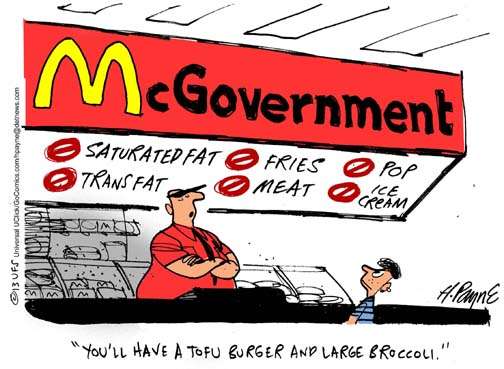
Another enemy for the food Fascists
If kids like it, they will ban it, thus making it even more attractive to the kids concerned
The escalating war on junk food in schools has targeted a new enemy -- that gooey, sugary, and often irresistible sandwich spread known to children everywhere as Fluff. Outraged that his son was served peanut butter and Marshmallow Fluff sandwiches at a Cambridge elementary school, state Senator Jarrett T. Barrios , a Democrat, said he will offer an amendment to a junk-food bill this week that would severely limit the serving of marshmallow spreads in school lunch programs statewide. ``A Fluff sandwich as the main course of a nutritious lunch just doesn't fly in 2006," Barrios said. ``It seems a little silly to have an amendment on Fluff, but it's called for by the silliness of schools offering this as a healthy alternative in the first place."
The measure is sure to rile fans of the Fluffernutter, the Fluff-and-peanut butter sandwich that has long been a sticky favorite of New England children including Barrios's son, Nathaniel, a third-grader at King Open School in Cambridge. Even some nutritionists say it makes little sense to single out Marshmallow Fluff, which was concocted by a Massachusetts man before World War I and is still made by a family-owned business in Lynn. ``I've been eating Fluff nearly my entire life" said Don Durkee, the 80-year-old president of Durkee-Mower Inc., whose father started the company with a business partner in 1920, after having bought the recipe for $500.
More here
Tuesday, June 20, 2006
Oldies are happier: "The study, performed by VA Ann Arbor Healthcare System and University of Michigan researchers, involved more than 540 adults who were either between the ages of 21 and 40, or over age 60. All were asked to rate or predict their own individual happiness at their current age, at age 30 and at age 70, and also to judge how happy most people are at those ages. The results are published in the June issue of the Journal of Happiness Studies, a major research journal in the field of positive psychology. "Overall, people got it wrong, believing that most people become less happy as they age, when in fact this study and others have shown that people tend to become happier over time," says lead author Heather Lacey, Ph.D., a VA postdoctoral fellow and member of the U-M Medical School's Center for Behavioral and Decision Sciences in Medicine. "Not only do younger people believe that older people are less happy, but older people believe they and others must have been happier 'back then'. Neither belief is accurate."
Monday, June 19, 2006
Meditation will cure you: "Transcendental meditation improves blood pressure and insulin resistance in heart patients, according to a placebo-controlled study carried out at an academic medical center in California. Researchers studied 84 patients with coronary artery disease, randomly dividing them into two groups. The first received a 16-week course of health education; the second was enrolled in a course in transcendental meditation. Both groups continued to receive conventional medical care and advice. Transcendental meditation is a technique that involves mental concentration and physical relaxation through the use of a mantra, a repeated phrase or syllable. By the end of the study, the participants in the meditation group had significantly lower blood pressure compared with participants in the control group. They also had significantly improved in measures of insulin resistance, the ability of the body to properly process insulin and blood sugar. The paper appeared yesterday in Archives of Internal Medicine".
PETA's 'Vegetarian' Celeb says 'Everything's Better With Bacon'!
This isn't the first time PETA has deceptively promoted a carnivorous celebrity as an anti-meat activist, but it just might be the funniest. Last year we told you about Sarah Jane, an Australian model featured in PETA's anti-chicken advertisements, whose fan website listed her favorite foods as raw meat, lamb kidney, lamb curry and haggis. This time around it's Reese Witherspoon -- a PETA-promoted "sexiest vegetarian" who can't seem to get through the day without eating bacon.
Witherspoon appeared last week on Ellen Degeneres' popular TV talk show, and toted along a crock-pot to demonstrate her favorite recipe (coq au vin -- yes, with chicken). When the host asked about the ingredients, she replied: "Everything you cook in the crock-pot, cook it with bacon ... Everything's better with bacon and brown sugar."
It's worth noting that the International Vegetarian Union (IVU) also claims that Witherspoon is a vegetarian, apparently owing to a 2002 appearance on The Rosie O'Donnell Show during which (according to the IVU) she "described the advantages" of meatless eating "and how much she loved it." But like many celebrities in PETA's stable, Witherspoon was a less-established B-Lister back then. Four years later, the Walk the Line Oscar winner has come into her own -- and apparently prefers bacon to the PETA ego-boost. Will Alec Baldwin be next?
Source
Sunday, June 18, 2006
THE TRANS FAT BEATUP
The Center for Science in the Public Interest (CSPI) sued fast food purveyor KFC this week claiming the food chain's use of cooking oil containing trans fats is unhealthy. Although KFC said the lawsuit was frivolous and plans to fight it in court, it's not clear that KFC understands how frivolous the lawsuit really is.
In its lawsuit, CSPI asked a Kentucky judge to order KFC to use other types of cooking oils and to make sure customers know how much trans fats KFC's food contains. CSPI's lawsuit alleges that trans fats - vegetable oils that have been altered to be firm at room temperature - increase the risk of heart disease.
In announcing that KFC would fight the lawsuit, a company spokesperson said that KFC is looking at using other types of oil for cooking, but it is committed to maintaining "KFC's unique taste and flavor," according to the Associated Press. But there's no need for KFC to switch cooking oils because the entire trans fat scare is based on junk science. While there are studies that purport to link trans fats with heart disease, when you look at the data and methodology behind the studies, their claims rapidly fall apart.
Studies indicate that consumption of trans fats temporarily elevate levels of so-called "bad" cholesterol and temporarily lower levels of so-called "good cholesterol." This simple blood chemistry is not in dispute. What is in dispute is the significance of the temporary change in blood cholesterol levels. Trans fat alarmists would have you believe that these transient blood chemistry changes increase your chances of having a heart attack. The available scientific data, however, don't back up that assertion. A number of studies of human populations have attempted to statistically associate consumption of trans fats with increased heart attack risk, but the only conclusion that can be fairly drawn from any of them is that, if there is a risk, it's too small to measure through standard epidemiologic methodology.
One of the major challenges for researchers is to tease out the potential impacts of trans fats from other dietary, lifestyle and genetic factors that might be relevant to heart disease. So far, it's been an impossible task. The failure of human studies to support the alarmism was amply illustrated a few years ago when the National Academy of Sciences' Institute of Medicine (IOM) jumped on the trans fat alarmist bandwagon. While touting studies showing that trans fats temporarily altered blood chemistry, the IOM glaringly did not cite any studies showing that trans fats posed any real risk to real people.
Despite the absence of real world evidence that trans fats are dangerous, the alarmism continues. There are at least two explanations for this phenomenon. First, it's been clear to the dietary research community for years - although they've been reluctant to share this information with the public - that the scare over dietary fat intake has been over-hyped. The final nail in the coffin of dietary fat hysteria came earlier this year when a major study concluded that low-fat diets provide no demonstrable health benefits over high-fat diets. So the trans fat scare constitutes a whole new way for researchers to scare the public about fat and to keep their government grants coming.
Second, the trans fat scare is a great new rationale for food manufacturers to introduce new and, perhaps, more expensive products that they market as "good for you." Food companies learned long ago that there's more profit in reformulating and marketing new and "healthier" products rather than trying to fight the bad science wielded by the well-funded, well-entrenched and essentially unaccountable public health bureaucracy.
Of course, the trans fat scare doesn't work for every company in the food industry. Some can't reformulate. Several years ago due to pressure from CSPI, McDonald's announced that it would switch cooking oils to eliminate trans fats. But CSPI wound up suing the company after McDonalds could not find a substitute cooking oil that met its standards.
There are two other facts to consider as you are bombarded with media reports and food company advertising about the alleged dangers of trans fats. Thirty years ago, the diet police scared us away from animal fat-based butter and began singing the praises of what they said was a healthier alternative, trans fat-based margarine. Now, the diet police have done an about-face and want to scare us away from those same trans fats - all the while omitting mention that their butter scare was bogus from the get-go. So what exactly would be the basis for trusting the alarmists this time around?
Also worth considering is the fact that CSPI has been in the business of scaring people about the food they eat for more than 30 years. From labeling Fettucine Alfredo as "heart attack on a plate" to claiming that fat substitute olestra might make truck drivers sick enough to lose control of their vehicles while driving, to claiming caffeinated beverages cause miscarriages, CSPI has been and remains on the cutting edge of dietary absurdity.
It's unfortunate that KFC has to waste its time and money defending itself from CSPI's groundless lawsuit. On the other hand, KFC has a good opportunity to expose not only the trans fat myth but also CSPI's antics in a court of law. Let's hope KFC doesn't chicken out.
Source
Saturday, June 17, 2006
A NEW TYRANNY FOR MOTHERS COMING
Formula feeding moving towards becoming "child abuse".

Warning: Public health officials have determined that not breast-feeding may be hazardous to your baby's health. There is no black-box label like that affixed to cans of infant formula or tucked into the corner of magazine advertisements, at least not yet. But that is the unambiguous message of a controversial government public health campaign encouraging new mothers to breast-feed for six months to protect their babies from colds, flu, ear infections, diarrhea and even obesity. In April, the World Health Organization, setting new international bench marks for children's growth, for the first time referred to breast-feeding as the biological norm.
"Just like it's risky to smoke during pregnancy, it's risky not to breast-feed after," said Suzanne Haynes, senior scientific adviser to the Office on Women's Health in the Department of Health and Human Services. "The whole notion of talking about risk is new in this field, but it's the only field of public health, except perhaps physical activity, where there is never talk about the risk."
A two-year national breast-feeding awareness campaign that culminated this spring ran television announcements showing a pregnant woman clutching her belly as she was thrown off a mechanical bull during ladies' night at a bar - and compared the behavior to failing to breast-feed. "You wouldn't take risks before your baby's born," the advertisement says. "Why start after?"
Senator Tom Harkin, Democrat of Iowa, has proposed requiring warning labels, on cans of infant formula and in advertisements, similar to the those on cigarettes. They would say that the Department of Health and Human services has determined that "breast-feeding is the ideal method of feeding and nurturing infants" or that "breast milk is more beneficial to infants than infant formula."
Child-rearing experts have long pointed to the benefits of breast-feeding. But critics say the new campaign has taken things too far and will make mothers who cannot breast-feed, or choose not to, feel guilty and inadequate. "I desperately wanted to breast-feed," said Karen Petrone, an associate professor of history at University of Kentucky in Lexington. When her two babies failed to gain weight and her pediatrician insisted that she supplement her breast milk with formula, Ms. Petrone said, "I felt so guilty." "I thought I was doing something wrong," she added. "Nobody ever told me that some women just can't produce enough milk."
Moreover, urging women to breast-feed exclusively is a tall order in a country where more than 60 percent of mothers of very young children work, federal law requires large companies to provide only 12 weeks' unpaid maternity leave and lactation leave is unheard of. Only a third of large companies provide a private, secure area where women can express breast milk during the workday, and only 7 percent offer on-site or near-site child care, according to a 2005 national study of employers by the nonprofit Families and Work Institute. "I'm concerned about the guilt that mothers will feel," said Ellen Galinsky, president of the center. "It's hard enough going back to work."
Public health leaders say the weight of the scientific evidence for breast-feeding has grown so overwhelming that it is appropriate to recast their message to make clear that it is risky not to breast-feed.
Ample scientific evidence supports the contention that breast-fed babies are less vulnerable to acute infectious diseases, including respiratory and gastrointestinal infections, experts say. Some studies also suggest that breast-fed babies are at lower risk for sudden infant death syndrome and serious chronic diseases later in life, including asthma, diabetes, leukemia and some forms of lymphoma, according to the American Academy of Pediatrics. Research on premature babies has even found that those given breast milk scored higher on I.Q. tests than those who were bottle-fed.
The goal of a government health initiative called Healthy People 2010 is to get half of all mothers to continue at least some breast-feeding until a baby is 6 months old. Though about 70 percent of new mothers start breast-feeding right after childbirth, just over a third are breast-feeding at 6 months and fewer than 20 percent are exclusively breast-feeding by that time, according to the 2004 National Immunization Survey. Breast-feeding increases with education, income and age; black women are less likely to breast-feed, while Hispanics have higher breast-feeding rates.
For women, breast-feeding can be an emotionally charged issue, and a very personal one. Even its most ardent supporters acknowledge that they have made sacrifices. "It's a whole lifestyle," said Kymberlie Stefanski, a 34-year-old mother of three from Villa Park, Ill., who has not been apart from her children except for one night when she gave birth. "My life revolves around my kids, basically." Ms. Stefanski quit working when her first child was born almost six years ago, nursed that child until she was 4 years old, and is nursing an infant now. She said she wanted to reduce the risk of breast cancer for herself and for her three daughters, referring to research indicating that extended breast-feeding may reduce the risk for both mother and daughters.
Scientists who study breast milk almost all speak of it in superlatives. Even the International Formula Council, a trade association, acknowledges that breast-feeding "offers specific child and maternal health benefits" and is the "preferred" method of infant feeding. The American Academy of Pediatrics states in its breast-feeding policy that human breast milk is "uniquely superior for infant feeding."
Dr. Haynes, of the Health and Human Services Department, said, "Our message is that breast milk is the gold standard, and anything less than that is inferior." Formula "is not equivalent," she went on, adding, "Formula is not the gold standard. It's so far from it, it's not even close."
More here
Friday, June 16, 2006
Study links migraine headaches, sex drive: "Contrary to the clich,, "Not tonight, I have a headache," a study has found that not all headache sufferers avoid sex: in fact, migraine sufferers report higher levels of sexual desire than people with other types of headaches. Migraine is a type of severe, recurring headache. "Sexual desire and migraine headaches may be influenced by the same brain chemical," said Timothy Houle of Wake Forest University School of Medicine in Winston-Salem, N.C., lead author of the study. The research, which involved 68 young adults from Chicago, is to appear in an upcoming issue of the research journal Headache. "Understanding of this link will help us to better understand the nature of migraine and perhaps lead to improved treatment," he added. Evidence suggests a complex relationship between sexual activity and headache, the researchers said. Both have been linked to levels of serotonin, a brain chemical that also plays a role in depression. Excess serotonin may be associated with decreased libido, and migraine sufferers are reported to have low levels of the brain chemical in their systems. Serotonin has also been found to play a role in migraine attacks.
It's the Food, Stupid: People don't seem to understand how eating works
By Dr. Elizabeth M. Whelan
Pointless to persecute restaurants
Last week an FDA-sponsored and -funded report on "Away from Home Foods" recommended ways restaurants might lend a hand in our nation's fight against obesity. The report was based on input from a number of scientists, consumer advocates, and food-industry representatives, including members of the National Restaurant Association (which in the end did not support the report's conclusions because they "unfairly targeted its industry").
Among other things, the committee urged the FDA to prevail upon restaurants to reduce portion sizes; to increase the number of low-calorie dishes on menus, particularly when it comes to fruits, vegetables, and unfried foods; to use foods that are low in saturated fats and trans-fatty acids; and to provide nutritional and caloric information on all menu selections.
While well-intended, the FDA recommendations fall short for three reasons: They are largely impractical and inconsistent with basic practices of running a business; they confuse concerns about calories with concerns about "good" and "bad" fats; and they omit some more obvious changes and additions restaurants could make that would reduce caloric consumption due to "away from home" meals.
While having the government instruct restaurants that they should reduce portion sizes sounds good, it is unlikely to have any impact on the risk of obesity. This is not to suggest that the gargantuan portions served at restaurants are not astonishing, and even sometimes horrifying; and it is extremely annoying to be chided by waiters about "not liking the meal" because it's been left mostly uneaten. But all of that is besides the point. Many years ago, my late colleague, Harvard's Dr. Fredrick J. Stare, expressed his concern about portion size in restaurants by writing to 100 establishments requesting that they put less food on the plates. He learned something surprising about the restaurant business; the overwhelming response from restaurateurs was: "The food is the least expensive component of a meal. We understand that only a small percentage of our patrons will eat what we serve them, but it is more cost efficient for us to serve more food than most will eat (and throw the balance away) than to make the minority of eaters who want large portions unhappy and likely to complain."
When asked if restaurants might offer smaller portions for a lower price, the response was the same: "Our costs are the same whether the portion size is large or small, so we cannot offer reduced prices for smaller-sized meals." The same issue would apply to meal-splitting. Many restaurants now add a surcharge onto shared meals.
Perhaps, in time, some clever marketers will find a way to base an ad campaign on the growing demand for somewhat less expensive, smaller meals. In the meantime, the solution is not to have the government telling restaurants how to run their businesses, but to educate consumers to eat only to the point that hunger is satiated - and not to feel obligated always to be a member of "the clean plate club."
As to nutrition-labeling at restaurants, I am ambivalent: ideally, customers should be able to request such information from the restaurant - but this simply may not be practical given the constantly changing menus and ingredients (although, it is possible at restaurants like McDonald's that offer standard fare). Further, many of us would prefer not to characterize a dinner out as a purely biological experience to be assessed in terms of grams of fat. A little common sense should do the trick: obviously fettucini alfredo is calorically loaded - and if you do order it, it might be prudent to eat only half.
In recommending that restaurants combat obesity by promoting "foods low in saturated fats and trans-fatty acids," the FDA panel misses the point. If you are trying to cut calories, the type of fat is not your concern. No matter what the type of fat, it is calorically dense, at nine calories per gram. Indeed, this whole current kerfuffle in ads and on food labels about trans fats has become downright misleading, since consumers may think "no trans fats" means "low in calories." It does not. Wendy's restaurants, for example, have just switched to nonhydrogenated oil, reducing trans fats, but this is unlikely to make a significant difference in the total number of calories their customers consume or, thus, in their likelihood of not becoming obese and suffering health problems. Trans fats are just one part of a larger diet, and it's the big picture that matters.
The FDA report also fails to suggest that restaurants add more menu options which would allow customers to enjoy the foods they love while taking in fewer calories. Offering reduced-calorie spreads (like oleo/yogurt blends) and salad dressings, or lower-calorie, full-taste "lite" ice creams, would be a good place to start. Creative chefs could be encouraged to experiment with Z-Trim or Simplesse, which are currently available fat substitutes that can be used to create such items as reduced-calorie butter, mayonnaise, cream cheese, and mashed potatoes, all nearly indistinguishable from their full-fat counterparts. If the unfairly maligned fat-substitute olestra is ever welcomed back from exile, the options for creating tasty, low-fat foods - including, for instance, French fries - will increase even more dramatically.
Restaurants, like any business, operate on the principle "give the customers what they want." Restaurants cannot coerce patrons to choose salads over burgers and fries, and it is hopeless to ask them to do so. It is the customer who calls the shots. Until we can educate consumers about the ideal caloric intake - and the calorie content of specific foods and portion sizes - and motivate them to keep caloric intake within the desirable range, they are going to continue to order what they want. And restaurants will continue to accommodate them.
Source
Thursday, June 15, 2006
Have a Maccas! Fatty food protects the skin: "Fatty foods will clog your arteries and pad your backside, but at least they won't increase your risk of skin cancer. New Australian research appearing in BMC Cancer this week contradicts the long-held belief that a fatty diet increases skin cancer risk. Led by Robert Granger and colleagues at the Menzies Research Institute in Hobart and the Murdoch Childrens Research Institute in Melbourne, the new findings suggest that high fat intake may even protect against non-melanoma skin cancer. They studied 652 Australians who had been diagnosed with either skin melanoma or non-melanoma (the former is more aggressive and more likely to spread to other tissues). They compared these patients with 471 people who did not have skin cancer. Both groups completed a survey about their fat intake and history of sun exposure. There was no evidence that high fat intake increased the risk of developing either type of skin cancer. In fact, patients who had previously been diagnosed with non-melanoma skin cancer had a lower risk of developing another if they reported eating more fat."
California: Big food fight on Bay Area's school menus
Nobody seems to be asking what is the evidence for the effectiveness of these dietary interventions. Since virtually all the evidence on the long-term benefit of dietary and lifestyle changes suggests that there is no benefit, that is rather surprising. Decibels seem to swamp science. And the salad freaks overlook that the Eskimos lived perfectly healthy lives for thousands of years on a diet that consisted of little more than meat, fat and fish. In fact, because it is such a good energy food, they were big eaters of fat -- obtained from the blubber of marine mammals. Lucky they had no California food faddists around to harass them. And one day it might become quite an embarrassment in sunny California that fatty food protects you against skin cancer
It's war at the Santa Clara Unified School District. But parents aren't fighting over the curriculum, or over bilingual education or even over school closures. They're brawling over cupcakes -- and chocolate bars, and hamburgers and candy. School food has become a national obsession. And no place is the fixation more evident than in the Bay Area, where activists are determined to put an end to obesity and teach kids how to eat right. They're filling school yards with edible gardens, applying for grants to put salad bars in cafeterias, teaching students and parents how to cook healthful meals and replacing cookies with strawberries at school dances.
It seems simple. It's not. All agree that schools need to clean up their nutritional act, but there is bitter dissent over how it should be done and how far it should go. Some think the state, schools and corporate food companies aren't doing enough to keep fatty and sugary foods off campuses. Others believe schools are going too far -- adopting policies that are too draconian and turning teachers and administrators into the food police. And then there are the school boosters, who acknowledge the need for more nutritious meals on campus, but fear that junk food bans will cost their districts hundreds of thousands of dollars in fundraising money. "It's gotten pretty heated," said Roger Barnes, Santa Clara schools' business administrator, on the debate the district has been having since January over banning junk food 24 hours a day, seven days a week. "It's about changing the way people think and changing the culture. But that's not easy."
In recent years, California has passed some of the most stringent school food laws in the country. The state, concerned that it has the second highest rate of overweight children in the nation, passed legislation introduced by Sen. Martha Escutia, D-Whittier (Los Angeles County), that would heighten nutritional standards at schools. The law, which goes into effect July 1, 2007, says vending machine snacks sold on campus during school hours, and a half hour before and after, must meet certain requirements: No more than 35 percent of their calories can come from fat, no more than 10 percent can come from saturated fat, and no more than 35 percent of their weight can be sugar. Entrees prepared in school cafeterias must have no more than four grams of fat per 100 calories with a 400-calorie cap.
But Marion Nestle, a nutrition professor, one of the food industry's loudest critics and author of "What to Eat,'' says the junk food manufacturers are probably already looking for ways to circumvent the requirements. "I don't like this kind of criteria," she said, adding that although the new rules will rid schools of candy bars, they will also knock out most salad dressings. "It's a slippery slope, and there are always exceptions. Why not just get rid of highly processed foods and use the Marion Nestle method -- only serve foods with no more than five ingredients on the label."
As summer approaches, parents and school districts are grappling with strategies for the start of the upcoming school year in the fall -- a sort of dress rehearsal for when the new law kicks in. What's happening in Santa Clara exemplifies the struggles taking place all over Northern California. Parents and administrators in the South Bay city, not satisfied that the 2007 food requirements are strong enough, propose to completely ban junk food, even celebratory cupcakes, home-baked cookies and birthday cakes, on campus and during all after-school events. The plan, however, sent a whole other faction of parents and teachers into an apoplectic fit. "We get an awful lot of money from the snack business," said Angie Scott, a parent and athletic director at Wilcox High School. "Nutritious food is important, but it's expensive. And if we can't continue to fundraise, we're going to lose our athletic programs. And exercise should be the biggest component of keeping our children healthy." Scott fears that with an around-the-clock ban, concession sales at sporting events in the district would plummet. Gone would be the hamburgers, hot dogs, French fries and sodas that have become synonymous with high school football games. "The majority of the customers buying this stuff after hours are adults anyway," Scott argues.....
A steering committee in the district has prepared a compromise proposal, which is expected to be unveiled at a school board meeting Thursday. The vote is scheduled for the June 8 meeting. The new plan would allow four school celebrations a year with cakes and candies. It also encourages concessionaires to offer 50 percent healthful snacks, such as salads, fruit, water and juice, and asks that 50 percent of fundraising sales be nonfood items, such as T-shirts, mugs and wrapping paper. In addition, the proposal says that by the start of school in August, vending machines at Santa Clara schools will only sell healthful foods. [Whatever they are]
At Bret Harte Elementary in the San Francisco Unified School District, faculty got rid of the vending machines last year. This year they eliminated the soda machine in the teachers lounge, because Principal Vidrale Franklin thought it was a bad influence on the kids. She discourages parents from bringing in baked goods for celebrations, but Franklin says it would be too controversial to outright ban cakes and cookies. Instead they gently encourage parents to use the school's recipes for desserts like a fruitcake made with yogurt.
More here
Wednesday, June 14, 2006
Beer is good for you: "A main ingredient in beer may help prevent prostate cancer and enlargement, according to a new study. But researchers say don't rush out to stock the refrigerator because the ingredient is present in such small amounts that a person would have to drink more than 17 beers to benefit. Oregon State University researchers say the compound xanthohumol, found in hops, inhibits a specific protein in the cells along the surface of the prostate gland. Xanthohumol was first discovered in hops in 1913, but its health effects were not known until about 10 years ago, when it was first studied by Fred Stevens, assistant professor of medicinal chemistry at OSU's College of Pharmacy. Last fall, Stevens published an update on xanthohumol in the journal Phytochemistry that drew international attention. Stevens says it possible for drug companies to develop pills containing concentrated doses of the flavonoid found in the hops used to brew beer. He also says researchers could work to increase the xanthohumol content of hops. There are already a number of food supplements on the market containing hops, and scientists in Germany have developed a beer that contains 10 times the amount of xanthohumol as traditional brews. The drink is being marketed as a healthy beer, but research is still under way to determine if it has any effect against cancer."
Food freedom an increasingly precarious right
Discussing the food Nazis, Walter Williams once said, "Allowing government to be in the business of caring for people for any reason moves us farther down the road to serfdom . . . . If government is going to take care of us, it will assume it has a right to dictate how we live . . . . Numerous health studies have shown that sedentary lifestyles and lack of exercise also contribute to healthcare costs." Furthermore, Williams said that he "wouldn't be surprised at all if America 's neo-Nazis call for government mandates requiring morning exercise, biking, jogging and fitness facility memberships." Dr. Williams said that in 2002. The sound of food-fascist jackboots thumping on the pavement has only gotten louder and closer since he spoke those words.
In the movie Demolition Man, a cop named John Spartan (Sylvester Stallone), wrongfully convicted of a heinous crime, is awakened from cryogenic suspension more than 30 years after he was frozen in order to catch his nemesis from the late 1990s, Simon Phoenix (Wesley Snipes), who has escaped from cryo prison after being frozen at the same time as Spartan. Among the many changes in the future, all foods or anything deemed to make life unhealthy, has been unilaterally declared by a benevolent, all-knowing government, masterminded by an evil Mr. Rogers-like elitist, Dr. Raymond Cocteau (Nigel Hawthorne), to be illegal.
No salt, no spices, no ice cream, no fatty foods, no large portions, no tobacco, no physical contact of any sort. Cocteau is credited with single-handedly saving civilization as it existed in Southern California in the dark years of the late-20th and early-21st centuries. The masses worship him like a savior and a god and cannot imagine what would happen to them if he ever was to die. The tranquility and peace their society enjoys blinds them to the obvious fact that they are slaves to Cocteau's will.
Spartan sees right through the veneer of slavery, fascism, serfdom, or whatever you might want to call the "paradise" that Cocteau has created. Through decades of indoctrination and propaganda, he has engineered a society that willingly cedes its individuality, choices, intellectual curiosity, and as Phoenix argues at one point with Cocteau, the all-important "right to be assholes."
When Demolition Man was made (1993), it was an entertaining satire and full of hyperbole on where all the whining and complaining by the ninny-nannies opposed to every possible dietary or lifestyle "vice" might take us in the future. Much of what the movie lampooned as future illegal behavior, has come closer to reality with each passing year. Many variations of food Nazis have goose-stepped their message into the public eye over the past decade, warning us about the many dangers of Mexican food, Chinese food, ice cream, salt, fast food, potato chips, pizza, red meat, chicken, pork, and basically anything that most people find tasty and enjoyable.
What many people fail to realize is that the food we choose to eat, and the vast number of food choices we have, is one the few remaining freedoms we have left. The FDA puts up roadblocks, like any other government agency, in order to justify its existence and bloated budgets, but for the most part we have vast freedom with what and how much we eat. If we can afford to buy it and consume it, we can choose to be gluttons. Now, the state and its minions are strongly hinting all that should change because of the high healthcare costs associated with obesity, poor nutrition, and a sedentary lifestyle. Surprise, surprise.
The food Nazis want consumers of food and food services and those who provide the goods and services desired, to change their ways or the fascists are going to take charge of the situation and create their own nightmare version of Cocteau's world of dietary and lifestyle perfection. They claim to be interested in benevolence, you know, "for the children" and the general health of all. What they really want is that final bit of control of our personal lives that continues to elude them. Controlling what we eat will give them enormous leverage in wresting away our remaining freedoms. The food Nazis will find compatibility of purpose with other situational Nazis interested in completely controlling our lives. Remember what Trotsky said: "He who does not obey shall not eat."
It will not matter if you are buying food to prepare at home or eating out at your favorite restaurant. The old menus you loved and the old servings that kept you coming back will no longer exist. Restaurants and subjects (formerly citizens) not complying will be identified as criminals. Their families, friends, and communities will be indoctrinated to see them as pariahs. They will be relegated to the lowest caste of society. To pay the economic burden they have imposed on others because of their unacceptable and illegal dietary choices, they will be made to work on large, environmentally-friendly farms that grow healthy foods for those committed to a better and more healthy world.
CNN reports the FDA is right now "enlisting" the restaurant industry to help fight obesity by voluntarily downsizing portions served to patrons. Supermarkets and convenience stores will be next. And your favorite, late-night fast food joints? Forget about it. If they are not forced out of business outright, they will fold in the early years of the brave new world being created by the food Nazis.
Walter Williams points out that the crusade against tobacco, much like the current one being waged against "unhealthy" foods, started in virtually unnoticeable, seemingly innocent, and incremental ways. John Spartan, fed up with the comically fascist world of dietary prohibitions he had been thawed out to safeguard from the rampages of Simon Phoenix, requested in frustration, "somebody put me back in the fridge." If the food Nazis get their way some years hence, your fridge will only hold enough of the right food to meet your centrally-planned caloric and dietary intake, formulated to maximize what others think is necessary to live a healthy life and minimize future health care costs for the state. Better stuff your face while that freedom still exists.
Source
Monday, June 12, 2006
THESE CLOWNS THINK THAT PEOPLE LIKE A BIG MEAL ONLY BECAUSE IT IS GOOD VALUE
The "super-size" deals at fast-food restaurants aren't such a bargain once the costs of weight gain are considered, according to a new study. Researchers at the University of Wisconsin-Madison found that while the average "upsized" fast-food meal costs a mere 67 cents more than a regular meal, those bonus calories could translate into substantial daily costs due to weight gain.
When people put on weight, the study authors say, their grocery bills, healthcare costs and even gasoline expenses climb as well. "These calculated costs exceed the value of upsized meals and may provide motivation to some consumers not to upsize their meals," Rachel N. Close and Dr. Dale A. Schoeller write in the Journal of the American College of Nutrition. Based on their estimates, each fast-food "value" meal would cost an adult 5 cents more in fuel expenses -- as heavier passengers reduce a car's fuel efficiency - and about 35 cents in overall food costs, since heavier people need more calories. Add to that the healthcare cost per super-size meal -- which ranges from 82 cents to $6.64 -- and these fast-food deals are no deal at all, Close and Schoeller assert.
More here
Sunday, June 11, 2006
PA PARENTS NOW DICTATED TO OVER FOOD
First the kids and then the parents
Parents who visit their children at lunch would be required to eat school food rather than bring the children fast-food lunches under a proposed wellness policy in the Palmyra Area School District. That doesn't set well with some parents. Lori Swisher, who has three children at Forge Road Elementary School, agreed the schools don't need soda machines or daily doughnuts, but bristled at "one more government restriction." Swisher said she occasionally has brought pizza or a sub to her kids at school. "I like to think I serve mostly healthy meals, but when all three have sports, sometimes fast food is the option," she said.
The school board will vote June 15 on the guidelines, which Collene Van Noord, director of curriculum and instruction, said is part of a nationwide effort to combat childhood obesity by teaching healthy eating and exercise habits. Proposed changes include limiting the selection of a la carte treats in the cafeterias and encouraging healthier treats for classroom holiday parties for Valentine's Day and Halloween. "We're not saying no cupcakes and birthday treats," Van Noord said, but veggies and fruit will be encouraged.
Source
Saturday, June 10, 2006
Fatal football boots: "Blisters from new football boots can do more than slow down budding soccer stars - they have the potential to kill, it was revealed yesterday. Doctors reported two cases of toxic shock in young footballers, caused by infected blisters from new boots. Both players, a girl, 13, and a boy, 11, were treated in hospital and survived. But toxic shock syndrome is known to have a 5 per cent fatality rate in children. The syndrome is an extreme life-threatening reaction to bacterial infection, causing fever and organ failure. It is mainly associated with an outbreak of cases in 1980 involving young women who used a particular type of tampon, now withdrawn from the market. In children, the syndrome is rare and mostly occurs as a complication of skin burns."
Thursday, June 08, 2006
Smart drugs for all in 20 years: "Smart drugs to make people think faster, improve their memory and reduce tiredness will be commonplace within 20 years, according to the British Government's chief scientific adviser. David King told ministers at a presentation in Downing Street that a new generation of "recreational psychoactive substances" could be given to healthy people to enhance their lives. Sir David said brain-enhancing chemicals could "revolutionise" the treatment of mental disorders and create new medical ways to fight drug addiction. The King report adds to calls from scientists for the removal of restrictions on cognitive enhancers, which have been dubbed "cosmetic neurology" or nip and tuck for the mind. Ritalin and Modafinil, the first generation of mind-enhancing drugs, were intended to treat disorders but have been adopted by people from across the social spectrum because of their ability to enhance performance..."
Wednesday, June 07, 2006
A Dose of Common Sense: Congress is poised to rescue California from food-regulation hell
It has been said that California is a decade ahead of the rest of the country in adopting new ideas. That may have been true for some icons of American culture such as skinny half-caf lattes, cut-off jeans, and spandex, but we Californians seem to lag behind in making public policy.
The principle that "the dose makes the poison"-in other words, that almost any substance can be toxic at very high levels-has been lost on Californians. That is why a two-decade-old ballot proposition, commonly known as "Prop 65," requires signs in most commercial establishments-from supermarkets to pet stores to hotel lobbies-proclaiming that consumers may be exposed to chemicals that can cause cancer or birth defects.
Not that in the overwhelming majority of cases there's any greater risk than in, say, household cleaning products, but the law requires a warning about any product that contains even tiny amounts of a chemical that, at high doses, can cause cancer in lab animals.
Prop 65 is a paragon of bad government, but help may be on the way from an unlikely quarter: the U.S. Congress. The National Uniformity for Food Act, previously passed in the House of Representatives by a wide bipartisan margin and introduced in the Senate on May 25, would mandate the kind of uniform national food-safety labeling that now provides nutrition and allergy information. This progressive measure would ensure that consistent food-safety information is available nationwide and is driven by science instead of by nutrition fads, junk science, food scares, or political pressure from special-interest groups. It would relegate Prop 65 to the trash heap of regulatory history.
However, illustrating once again that in politics no good deed goes unpunished, California's three most senior politicians-Democratic Sens. Barbara Boxer and Diane Feinstein, and Republican Gov. Arnold Schwarzenegger-are opposed to this legislative rescue.
Their opposition is inexplicable. Prop 65 requires businesses to provide warnings on all consumer products that might expose state residents to traces of chemicals presumed to cause cancer or birth defects. The law lists more than 750 "dangerous" chemicals that, at huge doses, might cause cancer in lab rats. Human health or economic benefits are deemed irrelevant, as is research that indicates that a chemical in fact poses no human health risk.
Prop 65 simply ignores the reality that we live in a sea of chemicals-toxins, radioactive elements, and the like, the vast majority of them naturally occurring. And, as observed by eminent UC Berkeley toxicologists Bruce Ames and Lois Gold, "no human diet can be free of naturally occurring chemicals that are rodent carcinogens."
The unscientific underpinnings of Prop 65-the legal equivalent of the boy who cried wolf-have led to all sorts of absurdities. Cocoa beans grown in volcanic soils contain trace amounts of naturally occurring cadmium. So, exploiting a "bounty hunter" provision in the law that encourages individuals and groups (and trial attorneys) to sue in the "public interest," a radical NGO has brought legal action against chocolate makers.
A chemical called acrylamide occurs naturally in a range of foods from bread to prunes because it is formed when foods are cooked, so California Attorney General (and governor wannabe) Bill Lockyer threatened to sue potato-chip and French-fry manufacturers-even though the FDA and the World Health Organization say there's no danger.
For much of the last two years, the publicity-hungry Lockyer litigated to require warning labels on canned tuna because trace amounts of mercury put companies selling it in violation of Prop 65. Never mind that tuna is high in protein, low in fat, provides essential nutrients, and is recommended by nutritionists as part of a balanced diet. Fortunately, California Superior Court Judge Robert Dondero recently rejected a requirement for tuna warnings, noting that the FDA has a national consumer-education campaign designed to inform consumers at higher risk without scaring others away from an affordable and nutritious source of protein.
Chocolate, acrylamide, and tuna are just the tip of the iceberg when it comes to the abusive provisions of Prop 65. NGOs have harassed the makers of products ranging from toothpaste to tattoo inks. Small businesses, especially, feel the financial pinch of this legalized extortion when legal fees and possible fines for Prop 65 violations threaten to exceed sales revenues.
Not only is Prop 65 detrimental to commerce, and not only does it fail to provide any benefit to public health, but let us remember who ultimately foots the bill: every American consumer who buys a product or service from a Prop 65-affected company.
If we Californians can't get rid of unscientific, ineffective, costly regulation on our own, our politicians should just stand aside and let Congress do it. The National Uniformity for Food Act will be good for California, and for the nation.
Source
Tuesday, June 06, 2006
FAT TYRANNY
Like Communism, it MIGHT work some day
It's been two years since Arkansas schools started sending letters home to parents with their kids' report cards - letters telling them if their children were fat. Plenty of parents weren't happy. But a lot of them did something about it. Suddenly there were more visits to the pediatrician for talks about weight problems. Fitness class attendance is up. Diet pill use by high-schoolers is down. And more states are following Arkansas' lead, including California, Florida and Pennsylvania, which have adopted similar programs.
Dr. Karen Young, medical director for the pediatric fitness clinic at Arkansas Children's Hospital, told of a mother upset when she got word from school that her child was overweight. The mother wanted a second opinion from Young, but in the meantime, she cut sweets from the family diet and slimmed the child down before the appointment. "Even though she was upset with the letter and felt it was wrong, she still changed the family's lifestyle," Young said. "A lot of positive things have come out of those letters."
The letters record each child's body-mass index, the same weight-height formula used to calculate adult obesity. The first batch went out in the 2003-04 school year. Across the state 57 percent of doctors said they had at least one parent bring in their child's letter from the school for discussion during the last school year. Young said she's had more visits from parents seeking help for the entire family. "I don't care what size their siblings are or their parents, everyone in the family should eat healthy and exercise," she said. "What's good for them is good for everybody."
A local TV news report on Young's clinic led Marsha Simon-Younger to enroll her 11-year-old daughter Nasirah in fitness classes. Since Nasirah joined this spring, she's felt better and is eating healthier, her mother said. "At first, my daughter was really reluctant to go because she thought of it as a fat camp," said Simon-Younger. But once Nasirah arrived, she saw a friend from church and Girl Scouts and felt at ease. "She has more self-esteem," and she tries different foods, the mother said. "Sometimes we might fall off the wagon, but we get right back on."
It's still a little early to see big results from the state's weigh-in program. After the first year, the percentage of overweight schoolchildren remained where it was at the start - 38 percent. "We think probably, since there's been no change, that's probably good news," said Jim Raczynski, dean of the College of Public Health at the University of Arkansas for Medical Sciences. "We may have stopped the increase."
And the state has found that most parents and children are comfortable with the weigh-in program - 71 percent of parents and 61 percent of adolescents, according to a survey. "Once they realized we didn't hand (the letters) to kids to wave around the schoolyard ... a lot of the original concerns were alleviated," said Gov. Mike Huckabee, who has championed healthy diets after dropping more than 100 pounds himself. "This was not an invasive procedure where a child is asked to lift a shirt and be pinched with calipers."
Raczynski noted that only a tiny percentage of parents - 6 percent - have put their overweight children on diets that aren't medically supervised. Schools are reacting, too. Following state Board of Education guidelines, schools in the last two years have banned using food as a reward, are offering more fruits and vegetables on lunch menus, have removed deep fryers and increased low-fat and low-sugar drinks and snacks.
Huckabee and former President Bill Clinton - known for his Big Mac excursions while Arkansas governor - helped announce this year that soft drink manufacturers had voluntarily agreed to remove sugary sodas from school vending machines. Childhood obesity, Huckabee said, is "a real serious health and economic issue." Arkansas' effort provides a scientific baseline to look for progress. Over time, "we'll honestly be able to know if this is something that has lasting value."
Source
Monday, June 05, 2006
British vodka no good: "Drinkers with refined palates sometimes struggle to distinguish cheap British vodka from paint-stripper. Soon, if Finland has its way, the similarity will be official. The Nordic vodka superpower is planning to use its six-month presidency of the European Union to try to ban some British-made brands from using the "vodka" appellation, forcing them to be labelled as "spirit drink" or even "white spirit drink". The Finns, who take the helm of the EU next month, are convinced that only vodka made from potatoes or grain is worthy of the name and want to amend EU law. Up to one-third of British-produced vodka will have to be re-labelled if the amended EU law is passed in the autumn. "We want to promote this traditional approach to the definition of vodka," said Pekka Pesonen, the Finnish secretary for agriculture. "This is something we really feel strongly about." Under the proposal, British brands such as Ciroc, Moskova, Red Square and Kirov, as well as many supermarket and pub-chain vodkas, would have to be reclassified because they are not made from potatoes or grains."
Watch for the coffee con: "Scientists have discovered why dating couples invite each other home for a coffee: caffeine makes people more persuadable. Controlled experiments showed that after only moderate amounts, drinkers were more likely to agree with persuasive arguments. Pearl Martin, from the School of Psychology at the University of Queensland, said that the findings would not interest only courting couples. Politicians and advertisers would also take note."
KEYSTONE COPS TELLING EATERIES TO LOSE BUSINESS
Fat chance! (Forgive the pun)

Those heaping portions at restaurants -- and doggie bags for the leftovers -- may be a thing of the past, if health officials get their way. The government is trying to enlist the help of the nation's eateries in fighting obesity. One of the first things on their list: cutting portion sizes. With burgers, fries and pizza the Top 3 eating-out favorites in this country, restaurants are in a prime position to help improve people's diets and combat obesity. At least that's what is recommended in a government-commissioned report released Friday.
The report, requested and funded by the Food and Drug Administration, lays out ways to help people manage their intake of calories from the growing number of meals prepared away from home, including at the nation's nearly 900,000 restaurants and other establishments that serve food. "We must take a serious look at the impact these foods are having on our waistlines," said Penelope Slade Royall, director of the health promotion office at the Department of Health and Human Services. The 136-page report prepared by The Keystone Center, an education and public group based in Keystone, Colorado, said Americans now consume fully one-third of their daily intake of calories outside the home. And as of 2000, the average American took in 300 more calories a day than was the case 15 years earlier, according to Agriculture Department statistics cited in the report. Today, 64 percent of Americans are overweight, including the 30 percent who are obese, according to the report. It pegs the annual medical cost of the problem at nearly $93 billion.
Consumer advocates increasingly have heaped some of the blame on restaurant chains like McDonald's, which bristles at the criticism while offering more salads and fruit. The report does not explicitly link dining out with the rising tide of obesity, but does cite numerous studies that suggest there is a connection. The National Restaurant Association said the report, which it helped prepare but does not support, unfairly targeted its industry. The report encourages restaurants to shift the emphasis of their marketing to lower-calorie choices, and include more such options on menus. In addition, restaurants could jigger portion sizes and the variety of foods available in mixed dishes to cut calories. Bundling meals with more fruits and vegetables also could help. And letting consumers know how many calories are contained in a meal also could guide the choices they make, according to the report.
Simeon Holston, 33, called more disclosure an excellent idea as he lunched on a sausage-and-pepperoni pizza at a downtown Washington food court. "OK, I am going to eat junk food regardless, but let me eat the junk food that's going to cause me less damage," said Holston, an accountant. "A lot of times, presented with information, you will make a better choice."
Just over half of the nation's 287 largest restaurant chains now make at least some nutrition information available, said Margo Wootan, director of nutrition policy for the Center for Science in the Public Interest. "If companies don't tell them, people have no way of knowing how many calories they are being served at restaurants. And chances are, they are being served a lot more than they realize," said Wootan, adding that Congress should give the FDA the authority to require such disclosure.
Dr. Andrew von Eschenbach, the agency's acting head, said the only place where he has seen calorie information listed on a menu was at an upscale restaurant in California. Still, the agency will not seek the authority to force others to follow suit, he said. "At this point in time, it's not a matter of more authority, it's using the authority we have," von Eschenbach said.
More here
Sunday, June 04, 2006
Food as a way to learn English!: "Go into most British kitchens and you will find a pile of Italian cookery books, on the assumption - nurtured by writers from Elizabeth David to Antonio Carluccio - that Mediterranean cuisine holds the key to La Dolce Vita. Now Renata Beltrami and Silvia Mazzola, two cookery writers from Milan, have launched a campaign to turn the tables by persuading Italians of the joys of . . . British cooking. The result, Language on a Plate, manages to make Lancashire hotpot or summer pudding sound as mouthwatering as spaghetti alle vongole or zabaglione. According to the authors, the aim is to help Italians to learn English through recipes and understand the British way of life through such baffling concoctions as stuffed marrow or roast beef and Yorkshire pudding. The initiative could have a useful educational purpose, according to a survey by Censis, a respected research institute, which concluded that most Italians' knowledge of English was "dismal". Although 53 per cent of Italians claimed to speak English, in reality they spoke it "badly, if at all", the survey said.... Even today the expression mangiare all'Inglese - to eat like the English - is an insult".
Friday, June 02, 2006
Home-made cake not allowed: "He was born before the discovery of antibiotics and survived the Depression and two world wars, yet staff at a day centre run by Age Concern decided that it was too much of a risk to let him eat a slice of home-made birthday cake. The Madeira cake was baked for the 96-year-old man by Elaine Richards, a retired district nursing sister and a member of the Women's Institute. But when Mrs Richards, who is in her 70s, tried to deliver the cake to her elderly friend, who does not wish to be identified, her contribution to the birthday fare was rejected because of food and hygiene rules. She was told by staff at the day centre in Barnstaple, North Devon, that only shop-bought cakes were acceptable. Two hours before she was due to attend the party, Mrs Richards received a phone call from the charity's director in Barnstaple, who was aware of her offering. Mrs Richards said: "At first I thought she was joking. I've been making cakes for 60 years and have fed a family of four on my cooking - and the worst they've had is a bit of indigestion from eating too much." Andrea Scott, from Age Concern, apologised for upsetting Mrs Richards, but said that food regulation guidelines had to be followed to protect people in her care."
Chocolate-powered cars? "Chocoholic germs can provide hydrogen, the clean-burning energy of the future, New Scientist reports. British scientists fed Escherichia coli bacteria a diluted mix of waste caramel and nougat. The germs tucked into the sugar and in the process produced hydrogen, using their own enzyme, called hydrogenase. The hydrogen was used to power a fuel cell, generating enough electricity to drive a small fan. The experiment has applications far beyond the lab. Waste chocolate, instead of being thrown away by confectionary companies, could be turned into hydrogen and used to help power their factories or sold to energy companies. The British team, led by Lynne Mackaskie at the University of Birmingham, central England, got the same bacteria to tuck into catalytic converters from old cars. The bacteria cleverly recovered the precious metal palladium after they were immersed in a vat with hydrogen and liquid waste from spent converters. The work is reported in full in the specialist journal, Biochemical Society Transactions."
Hopeful fatso thrown out of court: "A Manhattan judge has thrown out a proposed class-action lawsuit by an overweight man who blamed his physical condition on more caloric-than-advertised CremaLita ice cream. CremaLita had countered that their lower-calorie ice cream wasn't Stephen Brandt's problem - it was his "heart attack diet." "What Brandt fails to mention," the company's lawyer said in court papers, "is that he regularly eats real ice cream, McDonald's and Wendy's cheeseburgers, french fries, pepperoni pizza, beer, corn chips, donuts, cookies, hard cheese, eggs, bagels, peanut butter, Chinese take-out meals and pasta, [and] that he never exercises." And, the filing says, "although he provided no useful information regarding his weight gain during the period that he ate CremaLita, his medical records . . . show that he managed to pack on an additional 16 pounds in the nine months AFTER he stopped" eating the ice cream." (Via Jerry Lerman)
Subscribe to:
Posts (Atom)


