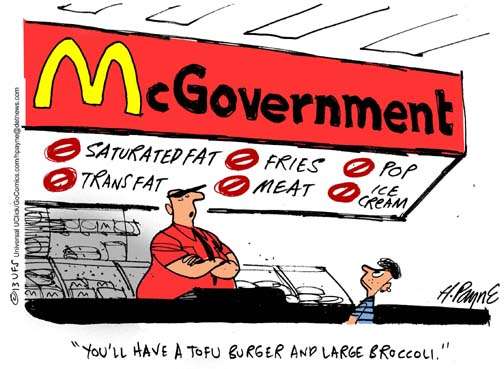
Thursday, April 19, 2007


You knew bacon was bad for you, didn't you?

Anything popular will be targeted by the attention-seekers. Nitrites used as preservatives are once again in the crosshairs. The fact that nitrites are found naturally in many "correct" foods (such as broccoli and spinach) seems to have been overlooked. The journal abstract is here. Once again the conclusions appear to rely on comparisons between extreme groups -- which is inherently uninformative about the population at large, suggests weak effects and is very prone to confounding from other influences. For an earlier comment on this perennial scare see here


People who frequently eat cured meats such as ham, hot dogs and bacon face a higher risk of lung disease, researchers said today, citing additives called nitrites as a possible cause. Those who ate cured meat products at least 14 times a month were 78 per cent more likely to develop chronic obstructive pulmonary disease than people who did not eat these meats, even after the researchers sought to account for many other risk factors including smoking, overall diet and age. Chronic obstructive pulmonary disease, also called COPD, refers to emphysema and chronic bronchitis, which interfere with normal breathing.

This amount of consumption also was associated with poorer overall lung function, according to a study involving data on 7352 Americans age 45 or older. The average age of the people studied was 64.5 years.

The American Meat Institute, an industry trade group, said the findings were based on outdated assumptions about nitrite levels in cured meats. "This article in no way changes a basic fact - and that is that cured meats are among the safest meat products on the market," said institute spokeswoman Janet Riley. "The very premise of this study - that cured meats are high in nitrite - is patently false," Ms Riley added, saying less than 5 per cent of human nitrite intake comes from cured meats and their nitrite levels have declined greatly in recent decades.

The research was led by Dr Rui Jiang of Columbia University Medical Centre in New York and was published in the American Journal of Respiratory and Critical Care Medicine. Dr Jiang said nitrites - added to cured meats to prevent spoilage and provide colour - may cause damage to lung tissue resembling emphysema, but added the study's design did not allow her to state definitively that the nitrites caused lung disease. More research is needed before that claim can be made, Dr Jiang said.

She could not rule out, for example, that people who eat a lot of cured meats - hot dogs, cold cuts, sausage, bacon, cured hams and the like - may be more likely to have an unhealthy diet and lifestyle that might account for the higher lung disease risk. The people in the study who ate the most cured meats were more likely to be lower-income men and smokers and were more likely to have diets lacking in fruits, vegetables and a number of vitamins.

Cigarette smoking is the leading cause of COPD. Previous research linking nitrites in cured meats to certain cancers has proven controversial, with many scientists faulting the methodology and conclusions in these studies.

Source

And I suppose it is altogether too wicked of me to mention this:

"Could the salt that preserves hot dogs also preserve your health? Scientists at the National Institutes of Health think so. They've begun infusing sodium nitrite into volunteers in hopes that it could prove a cheap but potent treatment for sickle cell anemia, heart attacks, brain aneurysms, even an illness that suffocates babies."


Killers lurk in spa bath

THERE could be a killer lurking in your spa, and the best way of slaying it and its lethal compadres is simple, effective and very cheap. It's elbow grease.

This week Queensland Health sent out a notification that two visitors to a Gold Coast resort had been diagnosed with legionnaires disease - which they had contracted after using the resort's spa bath.

It makes sense that the warm, moist environment inside the filters and pipes of spa baths and pools would make the perfect place for bugs such as legionnaires pneumophilia to set up home and procreate. Australian Medical Association Queensland infectious diseases expert Michael Whitby said the legionella bug was readily found throughout the world, from Antarctica to jet engine oil, but it was most commonly found in water. He said the major outbreaks in Australia, which include a scare at the Yamanto police station in Ipswich in 2005, had been associated with the cooling towers of large buildings that had not been properly maintained. "They have a lot of metal fragments that help legionella to grow, and for legionella to get into your lungs it has to be in very small particle size so you have to actually spray them out of the airconditioning system to breathe them in," Dr Whitby said.

It's this spray, created when water is expelled at high pressure, that can make spas a risk. Queensland Health senior director of population health Linda Selvey said the mist provided a perfect avenue for bugs to make their way into lungs. "The big issue with spas is that the water is warmer so it provides a nice environment for bugs to live in," Dr Selvey said. "Secondly, because you're forcing air through the pipes at reasonably high pressures to get bubbles, you get a mist of water above the spa pool and you actually acquire legionella infection by breathing in the bugs."

Dr Selvey said the best way to prevent infection was to empty spa pools once a month and manually clean the filters and pipes. "With spa pool maintenance it's very important to empty the pool and pull out the filters and with a bit of elbow grease scrub them clean," she said. "And the emptying and cleaning of filters needs to be done once a month."

There are several types of legionella, but the two that occur most commonly here are pneumophilia and longbeachae. Pneumophilia is the type associated with spas and cooling towers, as it produces pneumonia-like symptoms such as a high temperature, coughing and shortness of breath. Longbeachae is found in soil and is the reason behind many potting mixes carrying safety warnings. Both are potential killers.

This year there have been 12 cases of legionnaires disease in Queensland. Legionella is a relatively modern bug, identified in the late 1970s after several delegates from an American Legion conference in Boston fell ill and died shortly after the meeting. While a good scrub is the best way of keeping pipes and filters clean, washing spas out with degreasing solutions is also important to control buildups of body fats, soap residue, oils and scum

Source

****************

Just some problems with the "Obesity" war:

1). It tries to impose behavior change on everybody -- when most of those targeted are not obese and hence have no reason to change their behaviour. It is a form of punishing the innocent and the guilty alike. (It is also typical of Leftist thinking: Scorning the individual and capable of dealing with large groups only).

2). The longevity research all leads to the conclusion that it is people of MIDDLING weight who live longest -- not slim people. So the "epidemic" of obesity is in fact largely an "epidemic" of living longer.

3). It is total calorie intake that makes you fat -- not where you get your calories. Policies that attack only the source of the calories (e.g. "junk food") without addressing total calorie intake are hence pissing into the wind. People involuntarily deprived of their preferred calorie intake from one source are highly likely to seek and find their calories elsewhere.

4). So-called junk food is perfectly nutritious. A big Mac meal comprises meat, bread, salad and potatoes -- which is a mainstream Western diet. If that is bad then we are all in big trouble.

5). Food warriors demonize salt and fat. But we need a daily salt intake to counter salt-loss through perspiration and the research shows that people on salt-restricted diets die SOONER. And Eskimos eat huge amounts of fat with no apparent ill-effects. And the average home-cooked roast dinner has LOTS of fat. Will we ban roast dinners?

6). The foods restricted are often no more calorific than those permitted -- such as milk and fruit-juice drinks.

7). Tendency to weight is mostly genetic and is therefore not readily susceptible to voluntary behaviour change.

8). And when are we going to ban cheese? Cheese is a concentrated calorie bomb and has lots of that wicked animal fat in it too. Wouldn't we all be better off without it? And what about butter and margarine? They are just about pure fat. Surely they should be treated as contraband in kids' lunchboxes! [/sarcasm].

Trans fats:

For one summary of the weak science behind the "trans-fat" hysteria, see here. Trans fats have only a temporary effect on blood chemistry and the evidence of lasting harm from them is dubious. By taking extreme groups in trans fats intake, some weak association with coronary heart disease has at times been shown in some sub-populations but extreme group studies are inherently at risk of confounding with other factors and are intrinsically of little interest to the average person.


*********************

Wednesday, April 18, 2007


Stem cells help Australian woman to walk

A sad day when Indian bureaucracy is less restrictive than Australia's


A BRISBANE woman who was paralysed in a car accident is walking again after receiving controversial stem-cell treatment in India. Australian doctors told mother-of-three Sonya Smith 18 months ago that she would spend the rest of her life in a wheelchair. Her spine was broken after she was crushed by her car when the handbrake failed and it rolled down a hill. But after eight weeks of embryonic stem-cell injections, Mrs Smith, 45, is now able to stand with the aid of calipers and has regained bowel and bladder control.

She says she has recovered "deep sensation" in her thighs and feet and has been able to swing her legs. "When I first moved my toes, I was blown away," she said. "The doctors in Australia told me I would never walk again, but now I actually think I will be able to - without calipers some day."

Mrs Smith heard about the treatment from her sister, who lives in India, where medical guidelines are less stringent. Phil Smith, 44, said yesterday that his wife's recovery had been "amazing". Mr Smith, an editor with Channel 7 in Brisbane, spoke from the family home in Bardon where the couple live with their daughters, Kirsty, 10, Holly, 8, and Carly, 7. He said his wife would be coming home next month for Holly's birthday. "I've been speaking to her every day and she gets better all the time," he said. "It's been hard for her having the treatment in India and we hope one day it is available here. "Of course there are concerns about stem cells, but Sonya wouldn't have had a chance."

Mrs Smith is one of more than 300 patients who have been treated in New Delhi by controversial stem-cell pioneer Dr Geeta Shroff. The treatment, forbidden in Australia, involves collecting stem cells from embryos and injecting them into injured or diseased patients. When taken from embryos, the cells are undeveloped and seem better able to replace damaged tissue.

Critics have described the treatment as irresponsible and unethical. But Dr Shroff shrugged off the scepticism. "These are people who are desperate and I have given them hope. What is wrong with that?" she said. Dr Shroff claims to have an "inexhaustible" bank of stem cells from a single embryo, which she uses to treat Alzheimer's, Parkinson's and motor neurone disease. She has never submitted her work for international scrutiny.

Australian legislation was passed last year allowing scientists to clone human embryos to extract stem cells, but only for research. This month, state MPs will vote on whether to allow the practice in Queensland. Mrs Smith, a teacher aide at Petrie Terrace State School, urged governments to do more to make the treatment available in Australia.

Source


New HIV drug shows 'unprecedented' results: study

A new category of drugs has shown promising results for HIV/AIDS patients who failed to respond to other treatments, a new study shows. Especially when combined with other medications, raltegravir - the first in a new class of anti-retroviral drugs called integrase inhibitors - dramatically reduced the presence of the HIV virus and boosted immunity in clinical-trial patients, according to the study in the British journal, The Lancet.

Integrase inhibitors act by targeting and disrupting an enzyme that facilitates the insertion of the HIV virus into the host's cellular genome. In clinical tests on 178 patients with advanced HIV infections that had proved resistant to standard treatments, raltegravir "showed unprecedented levels of virological efficiency", virologists Pedro Cahn and Omar Sued wrote in a commentary in the same journal.

The treatment "achieved virological suppression even in patients with limited options", they wrote, predicting that the new drug would "have a major role in salvage therapy", the term used to describe last-ditch efforts to save those with highly-compromised immune systems. "Clearly, we are in a new era of anti-retroviral therapy," they said.

There are three types of enzyme needed for HIV to replicate, namely reverse-transcriptase, protease and integrase. Up to now, no drug has successfully inhibited integrase enzymes.

A team of US researchers at Merck Research Laboratories in Westpoint, Pennsylvania, led by Beatriz Grinsztejn, divided the 178 patients into four groups during clinical trials. Each of three groups were given different doses of raltegravir, ranging from 200 to 600 mg, and the fourth group received a placebo. All four also took a basic "background treatment". After 24 weeks, the amount of HIV genetic material in the blood dropped below a measurable threshold (50 copies per ml) in 65 per cent of the patients taking raltegravir, nearly five times as many as the placebo group. Immune system responses were also dramatically improved. "If no long-term unexpected side-effects or resistance issues emerge, raltegravir will have a major role in salvage therapy, particularly in combination with another new drug," Cahn and Sued concluded.

Source

****************

Just some problems with the "Obesity" war:

1). It tries to impose behavior change on everybody -- when most of those targeted are not obese and hence have no reason to change their behaviour. It is a form of punishing the innocent and the guilty alike. (It is also typical of Leftist thinking: Scorning the individual and capable of dealing with large groups only).

2). The longevity research all leads to the conclusion that it is people of MIDDLING weight who live longest -- not slim people. So the "epidemic" of obesity is in fact largely an "epidemic" of living longer.

3). It is total calorie intake that makes you fat -- not where you get your calories. Policies that attack only the source of the calories (e.g. "junk food") without addressing total calorie intake are hence pissing into the wind. People involuntarily deprived of their preferred calorie intake from one source are highly likely to seek and find their calories elsewhere.

4). So-called junk food is perfectly nutritious. A big Mac meal comprises meat, bread, salad and potatoes -- which is a mainstream Western diet. If that is bad then we are all in big trouble.

5). Food warriors demonize salt and fat. But we need a daily salt intake to counter salt-loss through perspiration and the research shows that people on salt-restricted diets die SOONER. And Eskimos eat huge amounts of fat with no apparent ill-effects. And the average home-cooked roast dinner has LOTS of fat. Will we ban roast dinners?

6). The foods restricted are often no more calorific than those permitted -- such as milk and fruit-juice drinks.

7). Tendency to weight is mostly genetic and is therefore not readily susceptible to voluntary behaviour change.

8). And when are we going to ban cheese? Cheese is a concentrated calorie bomb and has lots of that wicked animal fat in it too. Wouldn't we all be better off without it? And what about butter and margarine? They are just about pure fat. Surely they should be treated as contraband in kids' lunchboxes! [/sarcasm].

Trans fats:

For one summary of the weak science behind the "trans-fat" hysteria, see here. Trans fats have only a temporary effect on blood chemistry and the evidence of lasting harm from them is dubious. By taking extreme groups in trans fats intake, some weak association with coronary heart disease has at times been shown in some sub-populations but extreme group studies are inherently at risk of confounding with other factors and are intrinsically of little interest to the average person.


*********************

Tuesday, April 17, 2007


Broccoli, soy and cancer

The article below is a rewrite of a press release from the AACR here. The AACR has not chosen to make the abstract available online but it should be noted that the research has not yet passed peer review so the "findings" should not be taken seriously at this stage

EATING foods like broccoli and soy has been linked to lower cancer rates, and California researchers said today that they may have discovered the biological mechanism behind the protective effect. Using cells in a lab dish, researchers at the University of California, Los Angeles, found that diindolymethane (DIM), a compound resulting from digestion of cruciferous vegetables, and genistein, an isoflavone in soy, reduce the production of two proteins needed for breast and ovarian cancers to spread. "We think these compounds might slow or prevent the metastasis of breast and ovarian cancer, which would greatly increase the effectiveness of current treatments," said Erin Hsu, a UCLA graduate student in molecular toxicology.

The UCLA team, which reported its finding at a meeting of the American Association for Cancer Research, will next test the theory in mice. The findings highlight "an entirely unique mechanism ... Preventing the invasion and metastasis of cancer cells is crucial," said Dr Alan Kristal, associate head of the cancer prevention program at the Fred Hutchinson Cancer Research Centre in Seattle.

Cancer cells express very high levels of a surface receptor known as CXCR4, while the organs to which the cancers spread secrete high levels of CXCL12, a ligand that binds to that particular receptor. This attraction stimulates the invasive properties of cancer cells and acts like a homing device, drawing the cancer cells to organs like the liver or brain.

The study found that when cancer cells were treated with either DIM or genistein, movement toward CXCL12 is reduced by at least 80 per cent compared to untreated cells. Hsu says that this same chemotactic attraction is thought to play a role in the development of more than 23 different types of cancer.

The amount of DIM and genistein used in the study is probably comparable to use of a high dose of supplements, and is likely not achievable through consumption of food alone, the researchers said.

Both DIM and genistein are already being developed for use as a preventive, and a chemotherapy treatment for breast cancer, although more extensive toxicological studies are needed, they added.

Source


Food fanaticism hurts single mothers

Comment from Australia by Sue Dunlevy

I DECIDED I'd had enough of the nanny state the day my kids came home in disgrace because they had hummus for lunch - it was the same day the ACT Government banned me from walking my dog to school. Business is always whingeing about government regulations, but what about the red tape strangling family life? Governments are now trying to micro-manage every aspect of a parent's job - from telling you what you can feed your kids and how you can discipline them to how much television they can watch. Now Kevin Rudd wants to test what sort of a parent you are by measuring your child's waistline, empathy, curiosity and whether they pick up a pencil dropped by a classmate.

My one luxury as a working mum used to be lunch order day - but the healthy canteen policy has robbed me of that. Instead of sleeping in one day a week I'm now up packing lunches - because cream cheese and lettuce sandwiches just don't have the same appeal to my kids as chicken nuggets. "Mum, I don't do sandwiches," my 11-year-old solemnly informed me during the canteen's healthy sandwich drive.

Even the task of concocting a healthy home-made lunch has become a feat of Olympic proportions, thanks to the school's new nut-free policy. After calling a family conference to workshop lunch ideas that removed nuts, muesli bars and peanut butter from my kids' lunchboxes, I thought I had the perfect solution: chicken and hummus rolls that are not only good but tasty.

Wrong. Hummus (which I never realised until now is a nut) is also banned because it has sesame seed paste in it.

That just happened to be the day the school newsletter informed me that getting the kids fit by walking the dog to school with them was now also illegal and I'd be fined if I took the dog on to school grounds.

If governments want to wrap families in red tape they should at least make sure the rules they set are consistent. Do they want us to feed our kids healthy food and get them fit or not?

What annoys me most about the burgeoning nanny state is that all families are being penalised by rules meant to stop the bad practices of a minority. If one in four children are overweight, that means the overwhelming majority aren't. The 75 per cent of families who buy their kids one junk food meal a week at the school canteen as a treat are penalised because a few parents feed their kids junk more often.

This is an election year and I reckon it's time for families to fight back against the government red tape that is taking the spontaneity out of parenting. Ban boring televised debates between two leaders and put them to a real life test. Before we let Kevin Rudd or John Howard impose any more we-know-better-than-you rules on families, they should have to try to battle with the problems their rules have already caused.

Let's run the election campaign like a reality TV show. Instead of touring the country making staged policy announcements, John Howard and Kevin Rudd should each be put in a suburban home with two kids for five weeks. Hidden cameras can show the voters how they manage the family budget with child care fees of $90 a day and subsidies of just $4.57 a day. Every morning they will have to come up with a packed lunch that's not only healthy but complies with the school's nut-free, seed-free, taste-free allergy policy and yet is still eaten by the children.

They'll have to work out how to fit in exercising the dog and the kids while getting the kids to school without straying on to school grounds. They'll have to juggle working overtime with the massive penalties for picking your kids up late from childcare and still get home in time to cook a healthy meal. They'll have to figure out how to entertain the starving and exhausted kids who aren't allowed to watch television or play on the computer and can't go to the local park because it has been stripped of its play equipment because of public liability risk.

And, before they can creep exhausted into bed, John and Kevin will have to find a non-existent product which will kill nits and spend an hour of quality time combing lice out of the childrens' hair. Only when they can do all this do they deserve the right to impose more new rules on us.

Source

****************

Just some problems with the "Obesity" war:

1). It tries to impose behavior change on everybody -- when most of those targeted are not obese and hence have no reason to change their behaviour. It is a form of punishing the innocent and the guilty alike. (It is also typical of Leftist thinking: Scorning the individual and capable of dealing with large groups only).

2). The longevity research all leads to the conclusion that it is people of MIDDLING weight who live longest -- not slim people. So the "epidemic" of obesity is in fact largely an "epidemic" of living longer.

3). It is total calorie intake that makes you fat -- not where you get your calories. Policies that attack only the source of the calories (e.g. "junk food") without addressing total calorie intake are hence pissing into the wind. People involuntarily deprived of their preferred calorie intake from one source are highly likely to seek and find their calories elsewhere.

4). So-called junk food is perfectly nutritious. A big Mac meal comprises meat, bread, salad and potatoes -- which is a mainstream Western diet. If that is bad then we are all in big trouble.

5). Food warriors demonize salt and fat. But we need a daily salt intake to counter salt-loss through perspiration and the research shows that people on salt-restricted diets die SOONER. And Eskimos eat huge amounts of fat with no apparent ill-effects. And the average home-cooked roast dinner has LOTS of fat. Will we ban roast dinners?

6). The foods restricted are often no more calorific than those permitted -- such as milk and fruit-juice drinks.

7). Tendency to weight is mostly genetic and is therefore not readily susceptible to voluntary behaviour change.

8). And when are we going to ban cheese? Cheese is a concentrated calorie bomb and has lots of that wicked animal fat in it too. Wouldn't we all be better off without it? And what about butter and margarine? They are just about pure fat. Surely they should be treated as contraband in kids' lunchboxes! [/sarcasm].

Trans fats:

For one summary of the weak science behind the "trans-fat" hysteria, see here. Trans fats have only a temporary effect on blood chemistry and the evidence of lasting harm from them is dubious. By taking extreme groups in trans fats intake, some weak association with coronary heart disease has at times been shown in some sub-populations but extreme group studies are inherently at risk of confounding with other factors and are intrinsically of little interest to the average person.


*********************

Monday, April 16, 2007


Breast cancer linked to alcohol

This appears to be a "consensus" arrived at in a "conference" so may well be wrong. If I know anything about what can be expected of the evidence, it will depend on tiny group differences that can only be fished out with the usual special medical statistics

DRINKING alcohol directly causes two common cancers, breast and bowel, a landmark international study has found. The World Health Organisation says there is enough evidence to add breast and colorectal (colon or bowel) cancer to the list of cancers already associated with drinking alcohol, which include mouth, throat and liver cancer.

WHO's International Agency for Research on Cancer (IARC) estimated those who drank 50 grams of alcohol a day - the equivalent of five standard drinks - were 40per cent more at risk of getting colorectal cancer than non-drinkers. Women who drank 50grams a day faced a 50per cent increased risk of breast cancer. Even women who had 18grams a day - less than two standard drinks - showed a significant increase in cancer risk. The type of alcohol had no impact, with beer, wine and spirits all considered to have a carcinogenic effect.

IARC director Peter Boyle said the link between cancer and alcohol consumption was more likely than previously thought and a major concern "in view of the changing drinking patterns of women in many countries". The findings are the work of 26 scientists from 15 countries and are published in the April issue of Lancet Oncology.

Source


There is a general syndrome of biological bad functioning

Ever since the longditudinal studies of high IQ kids by Terman and Oden (beginning in the 1920s) we have known that high IQ tends to indicate a syndrome of generally good biological functioning so it is no surprise that the opposite is found too. The article below has the expected nonsensical interpretation of the causal chain but the underlying findings seem sound

ANTISOCIAL behaviour doesn't just harm society - it may also harm the perpetrators' health. That's the message of a 30-year study examining the hidden costs of petty crime to society. The researchers, who monitored 500 children for 30 years, found that naughty boys who didn't reform in adulthood suffered worse health than their peers, including many who were equally deprived in childhood. The researchers are now seeking a way of identifying those who are most likely to become persistent offenders, with a view to intervening before it is too late.

"It's the first study to demonstrate the link between children who engage in antisocial behaviour and deficits in physical health when they grow up," says study leader Candice Odgers of the Institute of Psychiatry at King's College London. As well as accounting for more than their share of crime in later life, "they also incur hitherto unrecognised medical costs", she says.

Odgers analysed data on more than 500 men in their early 30s from a range of socio-economic backgrounds in Dunedin, New Zealand. The results, published in Archives of General Psychiatry (vol 64, p 476), show that individuals whose bad behaviour began in childhood and persisted into adulthood were twice as likely to be infected with the herpes virus and three times as likely to suffer from chronic bronchitis or gum disease as those who never engaged in bad behaviour.

Although these individuals accounted for just 10 per cent of the sample, they were responsible for 18 per cent of traffic injuries, 29 per cent of the days spent in psychiatric hospitals, 72 per cent of the months spent in jail and 42 per cent of the total months where study members were homeless or taken in by others. Persistent offenders also had three times the healthy blood level of C-reactive protein, a marker that indicates raised risk of heart attacks or stroke. It is surprising to see this marked risk for heart disease in such young men, Odgers says. "As we follow them to their 50s and 60s, the health burden will likely get even worse."

Her analysis so far suggests that nurture plays a strong role in determining who is most likely to offend, and their subsequent health. For example, 40 per cent of persistent offenders came from families of low economic status, and 23 per cent experienced maltreatment as a child - at least double that in any other group.

Odgers's study reinforces previous research that early intervention could help. Around a quarter of the sample were badly behaved as children, but reformed at adolescence. Many of them had the same deprived backgrounds as the persistent offenders, yet by the age of 32 they were almost as healthy as the controls. The key question, says Odgers, is how to identify which boys are most likely to offend in later life. Possible markers include attention deficit hyperactivity disorder - which affected 38 per cent of persistent offenders - and a family history of alcohol addiction. Further analyses are under way to assess the impact of genes.

Source

****************

Just some problems with the "Obesity" war:

1). It tries to impose behavior change on everybody -- when most of those targeted are not obese and hence have no reason to change their behaviour. It is a form of punishing the innocent and the guilty alike. (It is also typical of Leftist thinking: Scorning the individual and capable of dealing with large groups only).

2). The longevity research all leads to the conclusion that it is people of MIDDLING weight who live longest -- not slim people. So the "epidemic" of obesity is in fact largely an "epidemic" of living longer.

3). It is total calorie intake that makes you fat -- not where you get your calories. Policies that attack only the source of the calories (e.g. "junk food") without addressing total calorie intake are hence pissing into the wind. People involuntarily deprived of their preferred calorie intake from one source are highly likely to seek and find their calories elsewhere.

4). So-called junk food is perfectly nutritious. A big Mac meal comprises meat, bread, salad and potatoes -- which is a mainstream Western diet. If that is bad then we are all in big trouble.

5). Food warriors demonize salt and fat. But we need a daily salt intake to counter salt-loss through perspiration and the research shows that people on salt-restricted diets die SOONER. And Eskimos eat huge amounts of fat with no apparent ill-effects. And the average home-cooked roast dinner has LOTS of fat. Will we ban roast dinners?

6). The foods restricted are often no more calorific than those permitted -- such as milk and fruit-juice drinks.

7). Tendency to weight is mostly genetic and is therefore not readily susceptible to voluntary behaviour change.

8). And when are we going to ban cheese? Cheese is a concentrated calorie bomb and has lots of that wicked animal fat in it too. Wouldn't we all be better off without it? And what about butter and margarine? They are just about pure fat. Surely they should be treated as contraband in kids' lunchboxes! [/sarcasm].

Trans fats:

For one summary of the weak science behind the "trans-fat" hysteria, see here. Trans fats have only a temporary effect on blood chemistry and the evidence of lasting harm from them is dubious. By taking extreme groups in trans fats intake, some weak association with coronary heart disease has at times been shown in some sub-populations but extreme group studies are inherently at risk of confounding with other factors and are intrinsically of little interest to the average person.


*********************

Sunday, April 15, 2007


'Fat' gene found by scientists

A GENE that contributes to obesity has been identified for the first time, promising to explain why some people easily put on weight while others with similar lifestyles stay slim. People who inherit one version of the gene rather than another are 70 per cent more likely to be obese, British scientists have discovered. One in six people has the most vulnerable genetic make-up and weighs an average 3kg more than those with the lowest risk. They also have 15 per cent more body fat.

The findings provide the first robust link between a common gene and obesity, and could eventually lead to new ways of tackling one of the most significant causes of ill health in the developed world. Obesity is a main cause of heart disease, cancer and type 2 diabetes. [Rubbish!]

If the biological function of the gene, known as FTO, can now be understood, it could become possible to design drugs that manipulate it to help people to control their weight. "Even though we have yet to fully understand the role played by the FTO gene in obesity, our findings are a source of great excitement," Mark McCarthy, of Britain's University of Oxford, who led the research, said. "By identifying this genetic link it should be possible to improve our understanding of why some people are more obese, with all the associated implications such as increased risk of diabetes and heart disease. New insights will hopefully pave the way for us to explore novel ways of treating this condition."

While it has long been understood from family studies that obesity is heavily influenced by genetics, scientists have struggled to pin down individual genes that are involved. A handful of serious genetic mutations that cause rare obesity disorders such as Prader-Willi Syndrome have been found, but the search for common genes that affect an ordinary person's risk of becoming obese or overweight has remained elusive.

The effect of FTO emerged from a key study of the genetic origins of disease funded by the Wellcome Trust known as the Case Control Consortium, in which 2,000 people with type 2 diabetes had their genomes compared to 3,000 healthy controls. Scientists from Oxford and the University of Exeter first found that certain versions of the FTO gene were more common among people with type 2 diabetes, but that the effect disappeared when the data were adjusted for obesity. This led them to wonder whether FTO really influenced obesity instead, and they followed up their theory in a further 37,000 people.

FTO comes in two varieties, and everyone inherits two copies of the gene. The team found that those who inherit two copies of one variant - 16 per cent of white Europeans - were 70 per cent more likely to be obese than those who inherited two copies of the other variant. The 50 per cent of subjects who inherited one copy of each FTO variant had a 30 per cent higher risk of obesity. Those in the highest risk group weighed an average of 3kg more and those at medium risk were an average of 1.2kg heavier. In each case the extra weight was entirely accounted for by more body fat, not greater muscle or extra height. The results, published in the journal Science, apply to men and women, and to children as young as 7.

FTO will not be the only gene that influences obesity, and inheriting a particular variant will not necessarily make anyone fat. "This is not a gene for obesity, it is a gene that contributes to risk," Professor McCarthy said. The research involved too many people to control for exercise and diet, so it is not yet known whether FTO affects how much people eat or how active they are. But it may explain how people with apparently similar lifestyles differ in propensity to put on weight. Independent experts called the discovery highly significant. Susan Jebb, of the MRC Human Nutrition Unit, said: "This research provides clear evidence of a biological mechanism which makes some people more susceptible to gaining weight in a world where food is plentiful and sedentary lifestyles the norm."

Source


Gonorrhoea joins 'superbugs' list

US health officials are recommending wider use of a new drug to treat gonorrhoea because the sexually transmitted disease is steadily becoming resistant to the longtime standard antibiotic. Fluoroquinolones, a class of antibiotics that includes Cipro, have been the most common way to treat the bacterial disease since the early 1990s. Since then, gonorrhoea has grown increasingly resistant to those drugs. The Federal Centres for Disease Control and Prevention has recommended that a different class of antibiotics, cephalosporins, be used instead.

"Gonorrhoea has now joined the list of other superbugs for which treatment options have become dangerously few," said Dr Henry Masur, president of the Infectious Disease Society of America. "To make a bad problem even worse, we're also seeing a decline in the development of new antibiotics to treat these infections."

The CDC made the new recommendation after discovering that nearly seven per cent of gonorrhoea cases among heterosexual men in a survey of 26 US cities last year had drug-resistant strains of the disease. In 2001, only about 0.6 per cent of gonorrhoea cases among heterosexual men were drug-resistant. "That leaves us with a single class of highly effective antibiotics," said Dr John Douglas Jr, director of the CDC's division of STD prevention. Other experts called the situation perilous. It's the first time cephalosporins have been recommended to treat gonorrhoea for the entire US population, although the CDC recommended the antibiotics to treat against drug-resistant gonorrhoea in California and Hawaii in 2002. Two years later, the CDC made the same recommendation to treat the bacterial infection among American men who have sex with men.

The newly recommended class of antibiotics includes the generic drug ceftriaxone, also known under the brand name Rocephin, which must be injected and "works very well" although the drug is not commonly stocked in doctor's offices, Douglas said. In contrast, Cipro and other fluoroquinolones were more commonly available and easy to use because they could be taken orally in a single dose. Ceftriaxone must be given as a shot and costs about $US20 ($A24).

The CDC estimates that more than 700,000 people in the US acquire gonorrhoea each year through sexual contact. It is the second most commonly reported infectious disease in the United States, the infectious disease society says. The highest rates of infection are among sexually active teens, young adults and African-Americans. Because many people don't have obvious symptoms, they can unknowingly spread it to others. Though treatable, gonorrhoea puts people at greater risk of catching the AIDS virus. In women, gonorrhoea can cause pelvic inflammatory disease. In men, it can cause epididymitis, a painful condition of the testicles that can lead to infertility if untreated, the CDC said.

In the survey of 26 cities last year, Philadelphia had the highest percentage of drug-resistant cases with almost 27 per cent, followed by areas in California and Hawaii where health officials long have known about gonorrhoea drug resistance. A quarter of gonorrhoea cases among heterosexual men in Honolulu, San Diego and Orange County, California, were drug-resistant, followed by 22.5 per cent of cases in San Francisco and 22 per cent in Long Beach, California. More than 15 per cent of cases in Miami were drug-resistant to the bacteria, the CDC said.

Source

****************

Just some problems with the "Obesity" war:

1). It tries to impose behavior change on everybody -- when most of those targeted are not obese and hence have no reason to change their behaviour. It is a form of punishing the innocent and the guilty alike. (It is also typical of Leftist thinking: Scorning the individual and capable of dealing with large groups only).

2). The longevity research all leads to the conclusion that it is people of MIDDLING weight who live longest -- not slim people. So the "epidemic" of obesity is in fact largely an "epidemic" of living longer.

3). It is total calorie intake that makes you fat -- not where you get your calories. Policies that attack only the source of the calories (e.g. "junk food") without addressing total calorie intake are hence pissing into the wind. People involuntarily deprived of their preferred calorie intake from one source are highly likely to seek and find their calories elsewhere.

4). So-called junk food is perfectly nutritious. A big Mac meal comprises meat, bread, salad and potatoes -- which is a mainstream Western diet. If that is bad then we are all in big trouble.

5). Food warriors demonize salt and fat. But we need a daily salt intake to counter salt-loss through perspiration and the research shows that people on salt-restricted diets die SOONER. And Eskimos eat huge amounts of fat with no apparent ill-effects. And the average home-cooked roast dinner has LOTS of fat. Will we ban roast dinners?

6). The foods restricted are often no more calorific than those permitted -- such as milk and fruit-juice drinks.

7). Tendency to weight is mostly genetic and is therefore not readily susceptible to voluntary behaviour change.

8). And when are we going to ban cheese? Cheese is a concentrated calorie bomb and has lots of that wicked animal fat in it too. Wouldn't we all be better off without it? And what about butter and margarine? They are just about pure fat. Surely they should be treated as contraband in kids' lunchboxes! [/sarcasm].

Trans fats:

For one summary of the weak science behind the "trans-fat" hysteria, see here. Trans fats have only a temporary effect on blood chemistry and the evidence of lasting harm from them is dubious. By taking extreme groups in trans fats intake, some weak association with coronary heart disease has at times been shown in some sub-populations but extreme group studies are inherently at risk of confounding with other factors and are intrinsically of little interest to the average person.


*********************

Saturday, April 14, 2007


HRT PANIC FINALLY LAID TO REST?

There was some crap science reported in 2002 that encouraged older women to give up their Hormone Replacement Therapy. The science was crap because the differences between groups that it relied on were not apparently statistically significant. See my post of October 27 2003. There is also a dismissive academic re-analysis of the 2002 "findings" here.

Nonetheless, everybody hates drug companies so doctors everywhere jumped on the bandwagon and tried to get women off their pills. We now see how dangerous crap science is. It looks like the advice could have killed a lot of women. Read this report:

"Hormone replacement therapy significantly increases the life expectancy of older women, but only if they begin taking the drugs soon after the onset of the menopause, a major review of the evidence has found. A new analysis of 30 trials involving a total of 26,708 women has revealed that the benefits of the treatment substantially outweigh the risks, so long as it is started before a woman reaches the age of 60. In women who started HRT at 56, the risk of death from all causes was cut by 39 per cent".

Some more high quality data has just emerged which scotches the risk of increased heart attacks in women on HRT but which did find a slightly increased incidence of stroke. Abstract follows:

Postmenopausal hormone therapy and risk of cardiovascular disease by age and years since menopause

By Rossouw JE et al.

CONTEXT: The timing of initiation of hormone therapy may influence its effect on cardiovascular disease.

OBJECTIVE: To explore whether the effects of hormone therapy on risk of cardiovascular disease vary by age or years since menopause began.

DESIGN, SETTING, AND PARTICIPANTS: Secondary analysis of the Women's Health Initiative (WHI) randomized controlled trials of hormone therapy in which 10,739 postmenopausal women who had undergone a hysterectomy were randomized to conjugated equine estrogens (CEE) or placebo and 16,608 postmenopausal women who had not had a hysterectomy were randomized to CEE plus medroxyprogesterone acetate (CEE + MPA) or placebo. Women aged 50 to 79 years were recruited to the study from 40 US clinical centers between September 1993 and October 1998.

MAIN OUTCOME MEASURES: Statistical test for trend of the effect of hormone therapy on coronary heart disease (CHD) and stroke across categories of age and years since menopause in the combined trials.

RESULTS: In the combined trials, there were 396 cases of CHD and 327 cases of stroke in the hormone therapy group vs 379 cases of CHD and 239 cases of stroke in the placebo group. For women with less than 10 years since menopause began, the hazard ratio (HR) for CHD was 0.76 (95% confidence interval [CI], 0.50-1.16); 10 to 19 years, 1.10 (95% CI, 0.84-1.45); and 20 or more years, 1.28 (95% CI, 1.03-1.58) (P for trend = .02). The estimated absolute excess risk for CHD for women within 10 years of menopause was -6 per 10,000 person-years; for women 10 to 19 years since menopause began, 4 per 10,000 person-years; and for women 20 or more years from menopause onset, 17 per 10,000 person-years. For the age group of 50 to 59 years, the HR for CHD was 0.93 (95% CI, 0.65-1.33) and the absolute excess risk was -2 per 10,000 person-years; 60 to 69 years, 0.98 (95% CI, 0.79-1.21) and -1 per 10,000 person-years; and 70 to 79 years, 1.26 (95% CI, 1.00-1.59) and 19 per 10,000 person-years (P for trend = .16). Hormone therapy increased the risk of stroke (HR, 1.32; 95% CI, 1.12-1.56). Risk did not vary significantly by age or time since menopause. There was a nonsignificant tendency for the effects of hormone therapy on total mortality to be more favorable in younger than older women (HR of 0.70 for 50-59 years; 1.05 for 60-69 years, and 1.14 for 70-79 years; P for trend = .06).

CONCLUSIONS: Women who initiated hormone therapy closer to menopause tended to have reduced CHD risk compared with the increase in CHD risk among women more distant from menopause, but this trend test did not meet our criterion for statistical significance. A similar nonsignificant trend was observed for total mortality but the risk of stroke was elevated regardless of years since menopause. These data should be considered in regard to the short-term treatment of menopausal symptoms.


Putting that into plain English: 2% of women on the pills had a stroke versus 1% who were not on anything. That's a pretty tiny risk. And all drugs and therapies have side effects. The iron rule of drug therapy is: No side effects = no main effects either. So the slightly increased risk of stroke has to be weighed against the risk of brittle bones. Any woman with either a family history of osteoporosis or some osteoporosis already visible in herself via a bone-density scan would be pretty foolish not to go onto HRT in my non-medical opinion. By going onto HRT you would be taking a tiny risk in order to avert an almost certain major problem.

There are some more reactions to the recent study here.

NHS blog doctor has a coverage of the subject but I cannot see why he is so indecisive about what to recommend in the circumstances. Maybe he can't follow the statistics. He would not be alone in that. I used to teach social statistics in a major Australian university and I find medical statistics pretty obfuscatory. They seem uniformly designed to make mountains out of molehills.

Many times in the academic literature I have excoriated my colleagues in psychology and sociology for going ga-ga over very weak correlations but what I find in the medical literature makes the findings in the social sciences look positively muscular. In fact, medical findings are almost never reported as correlations -- because to do so would exhibit how laughably trivial they generally are.

The 2002 study was the basis for a great drama, with the risk of breast cancer particularly highlighted. The study was halted when too many women on HRT were getting cancer. The women on HRT in the study were told to throw away their pills because they were too risky. And millions of women worldwide followed suit.

But what they actually found was that 3 women in a thousand in their study group who were NOT taking HRT pills got breast cancer. So how many who WERE taking HRT got breast cancer? 4. Yes. 4. 4 out of a thousand compared to 3 out of a thousand. See here. Some people have just got no sense of proportion.

So, regardless of statistical significance (statistical significance simply tell you that the result was unlikely to be an effect of small sample size), there was absolutely no real-world significance in the result. It could have been due to any number of randomly-present factors. Aren't we lucky to have such wise medical attention-seekers researchers to guide us?


Royal Canadian Food Cops

Here we go again. The headline-hungry mob of food scolds at the Center for Science in the Public Interest (CSPI) have trotted out (or perhaps invented) another statistic claiming to link a high death toll with a food ingredient they don't approve of. This time it comes from Bill Jeffery, CSPI's national coordinator for Canada, who told Toronto's Globe and Mail today that excess salt consumption -- a longstanding CSPI bogeyman -- is costing our neighbors to the north 15,000 lives per year.

It should come as no surprise that Jeffery failed to offer a shred of proof for the figure, and that science indicates little or no link between salt intake and increased mortality. To name just one example: A study published in the American Heart Association journal Hypertension found that "few data link sodium intake to health outcomes, and that which is available is inconsistent."

Jeffery's evidence-free estimation is eerily similar to CSPI executive director Michael Jacobson's 2003 assertion that acrylamide -- a chemical found in CSPI no-nos like potato chips and French fries -- causes "tens of thousands" of cancers among Canadians. As we pointed out in a brief to the FDA, numerous scientific investigations have demonstrated no link between acrylamide in food and human cancers. And, in those few instances in which acrylamide was found to have some adverse health consequences, you would literally need to eat your weight in fries every day to be at risk.

Source

****************

Just some problems with the "Obesity" war:

1). It tries to impose behavior change on everybody -- when most of those targeted are not obese and hence have no reason to change their behaviour. It is a form of punishing the innocent and the guilty alike. (It is also typical of Leftist thinking: Scorning the individual and capable of dealing with large groups only).

2). The longevity research all leads to the conclusion that it is people of MIDDLING weight who live longest -- not slim people. So the "epidemic" of obesity is in fact largely an "epidemic" of living longer.

3). It is total calorie intake that makes you fat -- not where you get your calories. Policies that attack only the source of the calories (e.g. "junk food") without addressing total calorie intake are hence pissing into the wind. People involuntarily deprived of their preferred calorie intake from one source are highly likely to seek and find their calories elsewhere.

4). So-called junk food is perfectly nutritious. A big Mac meal comprises meat, bread, salad and potatoes -- which is a mainstream Western diet. If that is bad then we are all in big trouble.

5). Food warriors demonize salt and fat. But we need a daily salt intake to counter salt-loss through perspiration and the research shows that people on salt-restricted diets die SOONER. And Eskimos eat huge amounts of fat with no apparent ill-effects. And the average home-cooked roast dinner has LOTS of fat. Will we ban roast dinners?

6). The foods restricted are often no more calorific than those permitted -- such as milk and fruit-juice drinks.

7). Tendency to weight is mostly genetic and is therefore not readily susceptible to voluntary behaviour change.

8). And when are we going to ban cheese? Cheese is a concentrated calorie bomb and has lots of that wicked animal fat in it too. Wouldn't we all be better off without it? And what about butter and margarine? They are just about pure fat. Surely they should be treated as contraband in kids' lunchboxes! [/sarcasm].

Trans fats:

For one summary of the weak science behind the "trans-fat" hysteria, see here. Trans fats have only a temporary effect on blood chemistry and the evidence of lasting harm from them is dubious. By taking extreme groups in trans fats intake, some weak association with coronary heart disease has at times been shown in some sub-populations but extreme group studies are inherently at risk of confounding with other factors and are intrinsically of little interest to the average person.


*********************

Friday, April 13, 2007


It's official: diets make you fatter

THE world's largest study of weight loss has shown diets do not work for the vast majority of slimmers, and most dieters put more weight back on. More than two-thirds pile the kilos straight back on, raising the danger of heart attack, stroke and diabetes. Researchers warned the strain this repeated weight loss and gain places on the body meant most people would have been better off not dieting at all. The findings, published in the American Psychologist journal, follow other research released in 2004 that showed 2.5 million Australians had tried or intended to try a low-carb diet.

Last night, the US scientists behind the latest research - the most thorough and comprehensive analysis of its kind - said dieting simply did not work. The University of California researchers analysed the results of more than 30 studies involving thousands of slimmers. Although the overview did not name specific weight loss plans, popular diets in recent years include the low carbohydrate, high protein Atkins diet and the GI diet, which is rich in slow-burning wholegrain carbohydrates.

Pooling the results of the various studies clearly showed that, while people did lose weight initially, most quickly put all the weight back on. In fact, most people ended up weighing more than they did to begin with. Researcher Dr Traci Mann said: "You can initially lose 5 per cent to 10 per cent of your weight on any number of diets. "But after this honeymoon period, the weight comes back. "We found that the majority of people regained all the weight, plus more."

Dr Mann's research showed that up to two-thirds of dieters put on all the weight they lost - and more - over a four to five-year period. Half of those taking part in one study were more than 5kg heavier five years later, while dieters taking part in another study actually ended up heavier than other volunteers who hadn't tried to lose weight. A four-year study into the health of 19,000 men revealed that most of those who put on weight had dieted in the years before the start of the study.

Bleak as these figures seem, the true picture could be even worse, as it is thought that most people lie about their weight and don't like to tell researchers that their weight has started to creep up again. Weight loss expert Dr Samantha Thomas from Monash University in Melbourne said Australian research supported the US findings. "We've also seen that dieting can be linked to a lot of poor mental health outcomes," she said. "That just means that people take the weight off and feel really great about themselves and when they put the weight on again - which is kind of inevitable with yo-yo dieting - that people become depressed, have really low self-esteem and feel even worse about themselves than when they went on the diet in the first place."

Dr Thomas said people who struggled with their weight often became discouraged when, after embarking on fad diets, they found the results were not long-term. "The really awful thing about dieting is that it's become a cultural or fashionable thing and most people have spent lots of years and thousands of dollars on it, when there's no evidence to suggest that there's long-term weight loss benefits," she said.

Rebecca McPhee from Nutrition Australia agreed: "Dieting works in the short term but it just encourages unhealthy behaviours in the long term because it puts the body under so much strain. "Everyone is time-poor and they want results quickly, so they diet and then regain the weight after going back to eating normally. "If you look at The Biggest Loser, for example, the contestants lose too much weight, far too quickly, and they haven't developed the sort of skills to then go away and manage their diets."

Source


BACTERIA AND MOULD IN CARS

I don't think this should bother anyone too much but it may be worth bearing in mind

If you're like most people you spend at least a few hours a day in the car--whether it's commuting to and from work, running to the grocery store or picking up the kids from a soccer game. But though you might think twice before touching the seat on a public bus or holding the rail on the subway, you probably don't think too much about your car's cleanliness. Sure, there are coffee stains from a few weeks ago on your cup holder and an inch of dust coating your dashboard.

But it isn't hurting anybody, is it? Research shows otherwise. Charles Gerba, a professor at the University of Arizona who has been researching germ hot spots for years, showed in a 2006 study that our cars are littered with bacteria--and in a few places you might not expect. The dashboard, for instance, turned out to have the second-largest amount of microorganisms present. While often untouched, its vents may draw bacteria via the air circulation system. The fact that it's usually the warmest spot in a car, since the sun shines directly on it, also promotes germ growth, says Gerba, who worked on the study with University of Arizona research specialist Sheri Maxwell. A spot where you've spilled food, such as fries or donut crumbs, may look harmless. But spills produced the most bacteria among the car sites tested.

The researchers sampled 11 different sites inside 100 cars in Illinois, Arizona, Florida, California and Washington, D.C., and looked for both mold and bacteria. The study also examined variables such as vehicle type, whether children traveled in the car, geographic location and the gender and marital status of the drivers.

Single people and men proved to have the cleanest cars and those in Arizona had the lowest bacteria numbers, while married people and women had the germiest vehicles. That's because women tend to drive the family car, which holds the car seats and harbors children's germs, the study found. More bacteria were isolated in vans and SUVs, typical family vehicles, than in cars.

But beyond whether you have children, the city you call home can make it easier or harder to keep your car clean. Of the cities tested, Tampa, Fla., ranked highest in average amounts of bacteria. Thanks to its humid, high temperatures, the city's drivers had 10 times more bacteria in their cars than Tucson, Ariz., residents. Higher average monthly rainfall in cities also translated to more bacteria, according to the study, possibly because bacteria can survive longer in moist environments. Cars in Chicago, on the other hand, had 15 times more mold occurrences than those in Tampa due to the differences in temperature.

If your car is suddenly starting to sound like it needs a cleaning, Gerba recommends disinfecting it once a week. Start with any food stains and work your way down to the change holder and steering wheel, the place our hands come into contact with the most. "Don't become overly paranoid," Gerba says. "Just clean the seat before the kids start sticking to the bottom."

Source

****************

Just some problems with the "Obesity" war:

1). It tries to impose behavior change on everybody -- when most of those targeted are not obese and hence have no reason to change their behaviour. It is a form of punishing the innocent and the guilty alike. (It is also typical of Leftist thinking: Scorning the individual and capable of dealing with large groups only).

2). The longevity research all leads to the conclusion that it is people of MIDDLING weight who live longest -- not slim people. So the "epidemic" of obesity is in fact largely an "epidemic" of living longer.

3). It is total calorie intake that makes you fat -- not where you get your calories. Policies that attack only the source of the calories (e.g. "junk food") without addressing total calorie intake are hence pissing into the wind. People involuntarily deprived of their preferred calorie intake from one source are highly likely to seek and find their calories elsewhere.

4). So-called junk food is perfectly nutritious. A big Mac meal comprises meat, bread, salad and potatoes -- which is a mainstream Western diet. If that is bad then we are all in big trouble.

5). Food warriors demonize salt and fat. But we need a daily salt intake to counter salt-loss through perspiration and the research shows that people on salt-restricted diets die SOONER. And Eskimos eat huge amounts of fat with no apparent ill-effects. And the average home-cooked roast dinner has LOTS of fat. Will we ban roast dinners?

6). The foods restricted are often no more calorific than those permitted -- such as milk and fruit-juice drinks.

7). Tendency to weight is mostly genetic and is therefore not readily susceptible to voluntary behaviour change.

8). And when are we going to ban cheese? Cheese is a concentrated calorie bomb and has lots of that wicked animal fat in it too. Wouldn't we all be better off without it? And what about butter and margarine? They are just about pure fat. Surely they should be treated as contraband in kids' lunchboxes! [/sarcasm].

Trans fats:

For one summary of the weak science behind the "trans-fat" hysteria, see here. Trans fats have only a temporary effect on blood chemistry and the evidence of lasting harm from them is dubious. By taking extreme groups in trans fats intake, some weak association with coronary heart disease has at times been shown in some sub-populations but extreme group studies are inherently at risk of confounding with other factors and are intrinsically of little interest to the average person.


*********************

Thursday, April 12, 2007


AMAZING ADVANCE FOR DIABETICS

Diabetics using stem-cell therapy have been able to stop taking insulin injections for the first time, after their bodies started to produce the hormone naturally again. In a breakthrough trial, 15 young patients with newly diagnosed type 1 diabetes were given drugs to suppress their immune systems followed by transfusions of stem cells drawn from their own blood. The results show that insulin-dependent diabetics can be freed from reliance on needles by an injection of their own stem cells. The therapy could signal a revolution in the treatment of the condition, which affects more than 300,000 Britons. People with type 1 diabetes have to give themselves regular injections to control blood-sugar levels, as their ability to create the hormone naturally is destroyed by an immune disorder.

All but two of the volunteers in the trial, details of which are published today in the Journal of the American Medical Association (JAMA), do not need daily insulin injections up to three years after stopping their treatment regimes. The findings were released to reporters yesterday as the future of US stem-cell research was being debated in Washington.

Stem cells are immature, unprogrammed cells that have the ability to grow into different kinds of tissue and can be sourced from people of all ages. Previous studies have suggested that stem-cell therapies offer huge potential to treat a variety of diseases such as Alzheimer's, Parkinson's and motor neuron disease. A study by British scientists in November also reported that stem-cell injections could repair organ damage in heart attack victims. But research using the most versatile kind of stem cells - those acquired from human embryos - is currently opposed by powerful critics, including President Bush.

The JAMA study provides the first clinical evidence for the efficacy of stem cells in type 1 diabetes. Sufferers of the chronic condition, which normally emerges in childhood or early adulthood, have to inject themselves at least four times a day. Type 2 diabetes, which tends to affect people later in life, is linked to lifestyle factors such as obesity. There are almost two million type 2 diabetics in Briton, most of whom control their blood-sugar levels with pills or through diet.

The new study, by a joint team of Brazilian and American scientists, found that one of the first patients to undergo the procedure has not used any supplemental synthetic insulin for three years. "Very encouraging results were obtained in a small number of patients with early-onset disease," the authors, led by Julio Voltarelli, from the University of Sao Paulo in Ribeirao Preto, Brazil. write. "Ninety-three per cent of patients achieved different periods of insulin independence and treatment-related toxicity was low, with no mortality."

Type 1 diabetes occurs when the body's own immune system malfunctions and destroys the insulin-producing beta cells of the pancreas, causing a shortage in the hormone. By the time most patients receive a clinical diagnosis, 60 to 80 per cent of their beta cells have been wiped out. The disease progresses from this point very quickly, and can result in serious long-term complications including blindness, kidney failure, heart disease and stroke.

Dr Voltarelli's team hoped that if they intervened early enough they could wipe out and then rebuild the body's immune system by using stem cells, preverving a reservoir of beta cells and allowing them to to regenerate. They enrolled Brazilian diabetics aged between 14 and 31 who had been diagnosed within the previous six weeks. After stem cells had been harvested from their blood, they then underwent a mild form of chemotherapy to eliminate the white blood cells causing damage to the pancreas. They were then given transfusions of their own stem cells to help rebuild their immune systems.

Richard Burt, a co-author of the study from Northwestern University's Feinberg School of Medicine in Chicago, said that 14 of the 15 patients were insulin-free for some time following the treatment. Eleven of those were able to dispense with supplemental insulin immediately following the infusion of stem cells and have not had recourse to synthetic insulin since then, he said. "Two other patients needed some supplemental insulin for 12 and 20 months after the procedure, but eventually both were able to wean themselves from taking daily shots," he added. One patient went 12 months without shots, but relapsed a year after treatment after suffering a viral infection, and resumed daily insulin injections. Another volunteer was eliminated from the study because of complications. The therapy, known as autologous hematopoietic stem cell transplantation, has already shown benefits to individuals with a range of auto-immune diseases such as rheumatoid arthritis, Crohn's disease and lupus.

There are still question marks about exactly how the treatment works, and further studies will be required to fully evaluate it's safety and efficacy. "As a research scientist I am always hesitant to speak of a cure, but the initial results have been good and show the importance of conducting more trials," Dr Burt said. Given the right funding opportunities, university hospitals in London could be conducting research into the therapy within the next 12 months, he added. "It will probably be five to eight years before we see a treatment being widely available," he said. In an accompanying editorial in JAMA, Dr Jay Skyler, of the Diabetes Research Institute at the University of Miami, wrote: "Research in this field is likely to explode in the next few years and should include randomised controlled trials, as well as mechanistic studies."

Source


Smokers have daughters?

If true it is odd that it has not been picked up before

COUPLES who smoke when they conceive a child are almost twice as likely to have a girl, according to new research that suggests tobacco "kills" male foetuses. An Australian fertility expert has voiced concern that the startling results could encourage prospective parents to take up smoking to determine their baby's gender.

In an analysis of 9000 pregnancies between 1998 and 2003, researchers at the Liverpool School of Tropical Medicine in Britain found that mothers who smoked during pregnancy were a third less likely to have a boy than non-smokers. When the father also smoked, the chance of having a boy was almost halved. The researchers believe that chemicals in cigarettes, like nicotine, inhibit sperm carrying male, or Y, chromosomes from fertilising eggs. The study's leader, Professor Bernard Brabin, said the results raised serious questions about the impact of smoking on population balance. "The message is clear: if you want an increased chance of a male baby, don't smoke during pregnancy," Professor Brabin said.

Dr Anne Clark, of the Fertility Society of Australia, said it was already known that male embryos were less robust and more likely to miscarry than females. "More male are conceived than girls but about the same number are born, once this weakness is accounted for," Dr Clark said, "but we didn't know about this smoking connection." She said she was concerned they could motivate parents wanting a girl child to smoke. "If people think that smoking might get them what they want, they're wrong," Dr Clark said. "The mother is going to be three times more likely to have a fertility problem and twice as likely to have a miscarriage if she takes up [smoking] around . conception. The message is, don't smoke at all if you want a child."

Source


Fat kids not schools' fault

Australian writer Anita Quigley has some sharp words for the "obesity" whiners

OF all the middle-class, neurosis-inducing, guilt-ridden topics, the subject of children's eating habits takes the cake - low-fat of course. But it really is very simple: If you are the parent of a fat child and think his or her school canteen is to blame, then you are kidding yourself. Your child is pudgy, plump or obese - thanks to you.

And yesterday's uproar by parents over schools that aren't doing enough to stop students eating junk food - either in the canteen or by ordering in-- is ridiculous. The fact pupils are being delivered pizzas and sell bootlegged Coke at school just shows the ingenuity of today's mobile phone-equipped, pepperoni-craving children. More importantly it also shows that the war on childhood obesity won't be won in the classroom.

Parents are well within their rights to demand more influence over what their children eat at school. However, they also need to be reasonable and meet their end of the bargain. It is impossible to instil a habit of healthy eating if your children go home to soft drinks and takeout for dinner five nights a week. Equally, you may argue that schools providing foods high in fat and sugar undo all the good work done at home. However, School Canteens Association of NSW's Jo Gardner says of school kids aged five to 15, less than 3 per cent of their food consumption comes from the canteen.

Meanwhile, Duncan Irvine, head of Duncan's Catering, which operates canteens in 37 government high schools, says 75 per cent of all food consumed at school is brought in from home. Based on those figures, you cannot blame the school tuckshop for your child's weight problems. But what you can blame it on is what you pack into your children's lunchboxes. You can also blame the parents for the amount of money they give their kids to buy lunch.

Part of being a parent means making school lunches, and nourishing ones at that. Not a peanut butter sandwich every day with a bag of chips thrown in. However, like most parenting issues these days, "time-poor" mums and dads are outsourcing their responsibilities to schools. They demand schools be chiefly responsible for the exercise their children get, all the sex education their children need to know, and the discipline their children aren't getting at home. Now they are demanding that healthy eating be the school's obligation too.

Of course, most are only echoing our political leaders. For every time there is an issue in the community about the failings of young people, politicians want a remedy included in the curriculum. It was therefore refreshing to yesterday hear new Education Minister John Della Bosca say forcing students to eat healthy food is not the responsibility of schools. The pressure on schools today to turn out model citizens is absurd. When is there time anymore for teachers to do the basic teaching of core subjects?

Government and private schools began phasing in healthy food regimens at canteens nearly four years ago, amid rising evidence of a childhood obesity epidemic. This year all sugary soft drinks were banned. But as you can see students are taking alternative measures to acquire fast food.

In Britain, where government-supplied school lunches have just been turned upside-down by super cook Jamie Oliver to be more healthy, parents have been caught throwing junk food over school fences to their children. A friend, Emma, who does canteen duty at her children's primary school on the North Shore, says it is not unusual for pupils to produce $50 and $20 notes to buy their lunch - clearly with no budget attached. "In some cases, it's not even a matter of what they're eating, it's how much," she says. "You will see the same child twice at morning recess and at lunchtime they come back three times."

I appreciate that the older your kids get, when you kiss them goodbye at the school gate you also kiss goodbye to the ability to control their diets. However, it's parents who have a lesson to learn - stop passing the buck.

Source

****************

Just some problems with the "Obesity" war:

1). It tries to impose behavior change on everybody -- when most of those targeted are not obese and hence have no reason to change their behaviour. It is a form of punishing the innocent and the guilty alike. (It is also typical of Leftist thinking: Scorning the individual and capable of dealing with large groups only).

2). The longevity research all leads to the conclusion that it is people of MIDDLING weight who live longest -- not slim people. So the "epidemic" of obesity is in fact largely an "epidemic" of living longer.

3). It is total calorie intake that makes you fat -- not where you get your calories. Policies that attack only the source of the calories (e.g. "junk food") without addressing total calorie intake are hence pissing into the wind. People involuntarily deprived of their preferred calorie intake from one source are highly likely to seek and find their calories elsewhere.

4). So-called junk food is perfectly nutritious. A big Mac meal comprises meat, bread, salad and potatoes -- which is a mainstream Western diet. If that is bad then we are all in big trouble.

5). Food warriors demonize salt and fat. But we need a daily salt intake to counter salt-loss through perspiration and the research shows that people on salt-restricted diets die SOONER. And Eskimos eat huge amounts of fat with no apparent ill-effects. And the average home-cooked roast dinner has LOTS of fat. Will we ban roast dinners?

6). The foods restricted are often no more calorific than those permitted -- such as milk and fruit-juice drinks.

7). Tendency to weight is mostly genetic and is therefore not readily susceptible to voluntary behaviour change.

8). And when are we going to ban cheese? Cheese is a concentrated calorie bomb and has lots of that wicked animal fat in it too. Wouldn't we all be better off without it? And what about butter and margarine? They are just about pure fat. Surely they should be treated as contraband in kids' lunchboxes! [/sarcasm].

Trans fats:

For one summary of the weak science behind the "trans-fat" hysteria, see here. Trans fats have only a temporary effect on blood chemistry and the evidence of lasting harm from them is dubious. By taking extreme groups in trans fats intake, some weak association with coronary heart disease has at times been shown in some sub-populations but extreme group studies are inherently at risk of confounding with other factors and are intrinsically of little interest to the average person.


*********************

Wednesday, April 11, 2007


Busting modern medical myths

In the early days of medicine, physicians might diagnose patients using bumps on their head, or dispense a couple of leeches to draw off "ill humours". Yet a medieval doctor might give a more confident response than his modern equivalent if a patient asked for the evidence to support their treatment. These days, it seems many of our "tried and tested" approaches to disease are nothing of the kind.

Researchers writing recently in the British Journal of Surgery concluded the practice of daubing patients with a disinfectant skin gel prior to operations made little or no difference to the rate of infections they suffered afterwards. Simple soap and water was just as effective. However, despite this, it's more than likely that, in future, waking up after your operation in many British hospitals, you'll have that tell-tale orange stain around your wound. You'll have been given a treatment that doesn't work.

This isn't a single example. Many techniques in common use today don't have cast-iron evidence that they do any good. In some cases, firm evidence suggests the opposite is true. Andrew Booth, from the School of Health and Related Research (ScHARR) in Sheffield, is assessing the proportion of modern treatments that are "evidence-based" - supported by "randomised controlled trials", which, if run correctly, give the best view on the value of a drug or device.

In the UK, researchers have assessed this in a variety of different parts of the health service, from busy GP surgeries to specialist hospital haematology units. In many units, between 15% and 20% of the treatments offered did not have a shred of worthwhile evidence to support their use. Andrew Booth said the medical establishment was well aware of this. "The public might be surprised at the low number of treatments which have evidence that they work - but doctors might be surprised that it is so high," he said. He added that frequently, even when new research suggested clearly that doctors should stop using a particular treatment, nothing changed.

Michael Summers, chairman of The Patients Association, said patients would be "really surprised" to learn how little of what doctors did had been proven to work. "We need to improve medical training, to make sure that doctors do know more about the effectiveness of the drugs they are prescribing," he said.

One of those doing this is Professor Paul Glasziou, director of the Centre for Evidence Based Medicine at Oxford University. "I try to change the way individual doctors work," he says, "but really, the main thing we can hope to do is change the next generation of medical practitioners." He can list dozens of examples where treatments are still widely used despite it being clear that all they give patients is side-effects. "An example is PSA [prostate specific antigen] screening for prostate cancer. What the best studies tell us is that patients who have the test are equally likely to die from prostate cancer compared with those who don't," he says. "This actually does harm, because patients who test positive may undergo unnecessary prostate surgery. But the test is still being carried out."

Even a simple antibiotic eye-drop prescription for a child's minor infection is likely to make no difference, and may help make the bacteria involved more resistant to treatment, he says.

Part of the problem for doctors is the sheer quantity of research emerging from hospitals, universities and laboratories across the globe. "There are 90 new randomised controlled trials published every single day - this flood of information makes it very difficult for any doctor to stay up to date." And when the evidence is disregarded, Prof Glasziou says, patients can be harmed. When doctors measure blood pressure for the first time in a patient they should check both arms, as the readings may differ significantly. But Prof Glasziou says this guideline isn't followed everywhere. "I know of one case where a patient was being taken on and off his medication every couple of months simply because every time he visited the doctor, the reading was taken from a different arm. "There are a lot of good things out there, but an awful lot of myths as well."

Source


Australia: "Healthy" school menus help Maccas most of all


Pity about the parents trying to raise funds via heavily regulated tuckshops


HEALTHY canteen menus forced on to NSW schools to fight obesity are being openly snubbed as students order in pizzas, sell bootlegged Coke and leave school grounds to eat at fast-food outlets. A Daily Telegraph investigation has revealed students are resisting the low-fat menus - and private canteen operators are battling to survive with higher labour and ingredient costs. Canteen bosses estimate their revenue is dropping by up to a third as students take their business elsewhere.

Pizza, Chinese takeaway and other fast-food deliveries to school playgrounds are becoming commonplace as students tire of salads, wraps and low-fat pies and diet soft drinks to order in lunch on their mobile phones.

Last Wednesday at Granville South High School at 1pm a pizza delivery man was photographed in action outside the front footpath preparing to make a delivery of two family-sized pizzas. Nearby Villawood Domino's Pizza manager Mohammed Ahsan said his business did make deliveries to Granville South and other schools in the area. "We have a policy not to refuse a delivery to anyone," Mr Ahsan said.

Government and most private schools began phasing in the NSW Healthy School Canteen Strategy in 2003 following a childhood obesity summit. Last year alone more than $600,000 was spent implementing and promoting the scheme to convince schools to speed up compliance. This year all sugar soft drinks were banned. Under the dietary guidelines, "red" foods such as salty snacks and fatty foods are limited to two days per school term. Canteens are supposed to fill the menu with "green" foods such as wraps. "Amber" foods like low-fat pies should be used sparingly.

Also at 1pm last Wednesday, Engadine High students in uniform were dining out at Engadine McDonald's. The senior students, who were happy to be photographed, were not breaking school rules by being there. They said canteen food was "expensive" and not always appetising.

Duncan's Catering boss Duncan Irvine, operator of 38 public high school canteens, said the healthy foods policy was "naive". "The most profitable business to own now is a corner store near a school - they are now getting all our business," he said.

Source

****************

Just some problems with the "Obesity" war:

1). It tries to impose behavior change on everybody -- when most of those targeted are not obese and hence have no reason to change their behaviour. It is a form of punishing the innocent and the guilty alike. (It is also typical of Leftist thinking: Scorning the individual and capable of dealing with large groups only).

2). The longevity research all leads to the conclusion that it is people of MIDDLING weight who live longest -- not slim people. So the "epidemic" of obesity is in fact largely an "epidemic" of living longer.

3). It is total calorie intake that makes you fat -- not where you get your calories. Policies that attack only the source of the calories (e.g. "junk food") without addressing total calorie intake are hence pissing into the wind. People involuntarily deprived of their preferred calorie intake from one source are highly likely to seek and find their calories elsewhere.

4). So-called junk food is perfectly nutritious. A big Mac meal comprises meat, bread, salad and potatoes -- which is a mainstream Western diet. If that is bad then we are all in big trouble.

5). Food warriors demonize salt and fat. But we need a daily salt intake to counter salt-loss through perspiration and the research shows that people on salt-restricted diets die SOONER. And Eskimos eat huge amounts of fat with no apparent ill-effects. And the average home-cooked roast dinner has LOTS of fat. Will we ban roast dinners?

6). The foods restricted are often no more calorific than those permitted -- such as milk and fruit-juice drinks.

7). Tendency to weight is mostly genetic and is therefore not readily susceptible to voluntary behaviour change.

8). And when are we going to ban cheese? Cheese is a concentrated calorie bomb and has lots of that wicked animal fat in it too. Wouldn't we all be better off without it? And what about butter and margarine? They are just about pure fat. Surely they should be treated as contraband in kids' lunchboxes! [/sarcasm].

Trans fats:

For one summary of the weak science behind the "trans-fat" hysteria, see here. Trans fats have only a temporary effect on blood chemistry and the evidence of lasting harm from them is dubious. By taking extreme groups in trans fats intake, some weak association with coronary heart disease has at times been shown in some sub-populations but extreme group studies are inherently at risk of confounding with other factors and are intrinsically of little interest to the average person.


*********************

Tuesday, April 10, 2007


High African prostate cancer risk tied to DNA

A team led by Harvard researchers has found dramatic genetic links to prostate cancer that appear to underlie many of the cases and help explain the higher occurrence of the disease among African-American men. The scientists said yesterday that they have identified a set of changes in human DNA that are common in the American population and that, together, can increase the risk of the disease by more than five times. These changes may be responsible for up to two-thirds of African-American cases and one-third of the cases among Caucasian-Americans, according to a report in the journal Nature Genetics. The discovery may eventually allow doctors to improve screening, a strategy that has had an impact on the disease, by identifying high-risk people to be tested at an earlier age. And it could someday lead to better treatments for the second-leading cancer killer of men.

The finding also poses a compelling mystery. All the dangerous genetic changes identified lie in stretches of DNA that contain no genes and have no known biological function. This, researchers said, suggests that scientists are now on the trail of a new mechanism behind cancer, and it raises the possibility that this mechanism is behind some other forms of cancer. "It is a smoking gun to something new," said Dr. Tom Hudson, who was not involved in the research and is president and scientific director of the Ontario Institute for Cancer Research in Toronto. "It is very exciting."

The field of prostate cancer genetics is moving rapidly. Last year, deCODE Genetics, a company in Iceland, identified the first genetic variant, a portion of DNA that is different from the rest of the population's, which is associated with a 60 percent increase in risk of prostate cancer. The new work, led by David Reich of Harvard Medical School, identified five variants. These six variants , as well as another one already found, are more common in Americans with African ancestors than those with European ancestors, Reich said. The study suggests that genetics are a powerful reason for African-Americans' greater susceptibility to prostate cancer. African-Americans are 56 percent more likely to get the disease than Caucasian men, and 2 1/2 times more likely to die of it, according to the Prostate Cancer Foundation in Santa Monica, Calif.

Reich cautioned, however, that scientists could not tell from the research how much the genetic variants contribute to the disparity in the incidence or death rate of the disease. Other factors, including genetic changes that have not been identified and the environment, may play a role in the disease's higher incidence among African-Americans.

The new variants were identified by studying the DNA of 7,500 people, some of whom had prostate cancer. The research team focused on a particular region on chromosome 8, which previous research, including the deCODE work, has implicated in the disease. They looked for DNA variants that victims of prostate cancer tended to have, but healthy people did not

Source


Defeating malaria with both high- and low-tech

O death, where is thy sting? Far too often it comes at the end of a mosquito's proboscis. The worst mosquito-borne disease, malaria, infects about 400 million people worldwide each year (90 percent in sub-Saharan Africa) and kills about 1.3 million of them. So it's great that scientists at the Malaria Research Institute at Johns Hopkins University in Maryland have genetically built a better mosquito, which is to say that it still bites and leaves an itchy welt but cannot spread malaria. The idea is that large numbers of engineered mosquitoes would be released in malaria-ridden areas so they could interbreed with wild ones. Over time more and more of the mosquito population would carry the new trait.

This is not a new concept. Various types of harmful male insects are irradiated to make them sterile, and then released to interbreed with fertile bugs and thereby reduce the overall population. The problem with sterilization, though, is that it often weakens the insect and gives fertile wild competitors the advantage in breeding.

But these biotech mosquitoes actually have a breeding advantage. Mosquitoes infected with the malaria parasite, Plasmodium, don't die from it but are weakened. The engineered ones, being immune, can drink their natural cousins under the table. "When fed on Plasmodium-infected blood, the transgenic malaria-resistant mosquitoes had a significant fitness advantage over wild-type," the researchers remarked in the Proceedings of the National Academy of Sciences. Thus, in an experiment in which the engineered mosquitoes began as 50 percent of the laboratory population, over the course of nine generations (several months) they grew to become 70 percent of the population.

Richard Tren, director of the group Africa Fighting Malaria, with offices in both South Africa and Washington, D.C., nevertheless cautions against over-enthusiasm. The mosquito work "is great research," he told me, but notes that what works beautifully in the lab may not work in the field for reasons we can't even guess at now. Further, he observes, "The research was done on a mosquito mostly found in Southeast Asia, Anopheles stephensi, and not in the more aggressive sub-Saharan African mosquito that spreads malaria called Anopheles gambiae." He also worries about whether it would be possible to introduce a large enough number of the engineered mosquitoes to squeeze out the natural population. But his greatest fear is that people "will get the idea this is a magic bullet." Even if all goes well, it may not be ready for prime time for ten years or more - or to measure it another way, 13 million deaths.

Tren calls for a holistic approach in fighting the disease. That includes full rehabilitation of the use of the insecticide DDT. "We're inching towards a vaccine," he told me, one that also will be genetically engineered. But he notes malaria vaccine research has been going on for many decades and "it seems like we're always just seven years away." Says Tren, "During the time we're waiting on this mosquito research it could be distracting from things that are already proved. This is a really complex disease and we need a range of interventions."

Don Roberts agrees. Roberts is a professor of tropical public heath at the Uniformed Services University of the Health Sciences in Bethesda, Maryland. The engineered mosquito "is interesting research and an advancement of the science," he says. But among the problems is that even within anopheles gambiae there are an almost infinite genetic variety of mosquitoes. "A population of mosquitoes is a result of evolutionary force," he told me. "Just go downstream and you'll find a population that is different." He supports the biotech mosquito and vaccine research but says the emphasis for now must be insecticides, to include DDT but not to exclude developing others that may be far more effective.

"If you look at the amount of money going into a vaccine, it's probably in the billions" Roberts says. "Look into what's gone in to drugs to treat malaria and that's probably in the tens of billions. Then there's the environmentalist fight against DDT, which has probably also consumed billions of dollars," he notes. "But how much is being spent on an insecticide that would be less controversial and yet could be more effective at killing mosquitoes than DDT? Zero." He adds, "For me, it's a failure that's almost breathtaking."

So bring on the mosquito research and vaccine research. But for now and in the indefinite future the best weapon we have against this vicious mass-murderer of a disease is old-fashioned insecticide. Low-tech works now and we cannot afford to wait.


Source

****************

Just some problems with the "Obesity" war:

1). It tries to impose behavior change on everybody -- when most of those targeted are not obese and hence have no reason to change their behaviour. It is a form of punishing the innocent and the guilty alike. (It is also typical of Leftist thinking: Scorning the individual and capable of dealing with large groups only).

2). The longevity research all leads to the conclusion that it is people of MIDDLING weight who live longest -- not slim people. So the "epidemic" of obesity is in fact largely an "epidemic" of living longer.

3). It is total calorie intake that makes you fat -- not where you get your calories. Policies that attack only the source of the calories (e.g. "junk food") without addressing total calorie intake are hence pissing into the wind. People involuntarily deprived of their preferred calorie intake from one source are highly likely to seek and find their calories elsewhere.

4). So-called junk food is perfectly nutritious. A big Mac meal comprises meat, bread, salad and potatoes -- which is a mainstream Western diet. If that is bad then we are all in big trouble.

5). Food warriors demonize salt and fat. But we need a daily salt intake to counter salt-loss through perspiration and the research shows that people on salt-restricted diets die SOONER. And Eskimos eat huge amounts of fat with no apparent ill-effects. And the average home-cooked roast dinner has LOTS of fat. Will we ban roast dinners?

6). The foods restricted are often no more calorific than those permitted -- such as milk and fruit-juice drinks.

7). Tendency to weight is mostly genetic and is therefore not readily susceptible to voluntary behaviour change.

8). And when are we going to ban cheese? Cheese is a concentrated calorie bomb and has lots of that wicked animal fat in it too. Wouldn't we all be better off without it? And what about butter and margarine? They are just about pure fat. Surely they should be treated as contraband in kids' lunchboxes! [/sarcasm].

Trans fats:

For one summary of the weak science behind the "trans-fat" hysteria, see here. Trans fats have only a temporary effect on blood chemistry and the evidence of lasting harm from them is dubious. By taking extreme groups in trans fats intake, some weak association with coronary heart disease has at times been shown in some sub-populations but extreme group studies are inherently at risk of confounding with other factors and are intrinsically of little interest to the average person.


*********************