Friday, September 21, 2007
Laughing gas not a big laugh at all
PARALYSIS can be caused by nagging, but not the type many husbands complain about. The term "nagging" is also used to describe the dangerous recreational use of laughing gas, or nitrous oxide. Brisbane doctors have warned the practice can trigger paralysis, reporting the case of a woman in her 20s who presented herself to the Princess Alexandra Hospital's emergency department after inhaling laughing gas.
Writing in the latest Medical Journal of Australia, they said the woman had been abusing nitrous oxide – used as a propellant in whipped cream dispensers – to mask the pain caused by a sprained ankle. "She was in big trouble," said neurologist Peter Silburn, who consulted on the case. "Her arms were weak. Her bowel and bladder had stopped working and she had lower limb paralysis."
Professor Silburn said nitrous oxide – also commonly used as an anesthetic – interfered with vitamin B12 activity in the body and could cause nerve and spinal cord damage, when abused. "It can have serious consequences," he said. "I think the message is worthwhile getting out there because apparently nagging is on the rise. People take it to parties. "This is potentially very serious. Patients don't always recover. If we can alert the community to that, that's a service."
The woman "nagger" who developed paralysis spent two days in intensive care and was only discharged after seven months of rehabilitation. When she left hospital, she was only able to walk short distances with the aid of a walking frame. Professor Silburn, who divides his time between the PA and St Andrew's War Memorial hospitals, said the case was not unique.
Source
Lazy lizard source of diabetes drug
THE peculiar eating habits of a North American lizard have led to a new drug designed to help people suffering with Type 2 diabetes. Since the lazy lizard, known as the Gila Monster (Heloderma suspectum), spends most of its time doing very little in an underground burrow, it developed a biochemical system for controlling the storage and release of energy. The key to the system is a compound called exendin-4, a hormone found in the lizard's saliva. It slows the the creature's digestion, enabling it to get by on just 3 or 4 meals a year.
The international drug giant Eli Lilly and California-based Amylin Pharmaceuticals have exploited exendin-4 in an injectible drug, exenatide, now available in Australia under the trade name Byetta.
Noel Field, aged 55, has injected Byetta twice daily for three years as part of phase 3 clinical trials of the drug in Australia. He has had Type 1 (adult onset) diabetes for 12 years, a condition which reduces the ability of his body to automatically regulate blood-sugar levels. "It's a bit of a mystery how they got it from the saliva of the lizard," he joked.
According to Gregory Fulcher - head of the Department of Diabetes, Endocrinology and Metabolism at Royal North Shore Hospital in Sydney - Byetta "mimic" a human version of exendin-4, a hormone known as GLP-1. It was designed for people like Mr Field whose Type 2 diabetes is not properly controlled by existing oral medications like metformin or sulphonylurea, drugs which increase the ability of insulin to control blood sugar levels. Dr Fulcher - who led one of the Australia clinical trails - said the compound does not work for people suffering from Type 1 (juvenile) diabetes because they have too few insulin-producing beta cells.
Type 2 sufferers, though, still have enough beta cells in their pancereas to produce at least some insulin. Drugs like Byetta work along with the remaining cells, controlling blood sugars follwing a meal, reducing the amount of sugar released by the liver, slowing the emptying of the stomach and enhancing insulin production. "It's not yet proven but there are hints (Byetta) will maintain the insulin-secreting function of beta cells," said Dr Fulcher. If so, that would mean people would not need to inject insulin, doses of which must be adjusted by patients after monitoring their own blood-sugar levels.
While Byetta is the first drug of its class to be available in Australia under private prescription ($99 per month), other classes of diabetes are being developed to compliment drugs like metaformin and insulin. Byetta was listed by the federal regulator , the Therapeutic Goods Administration, last June.
Source
****************
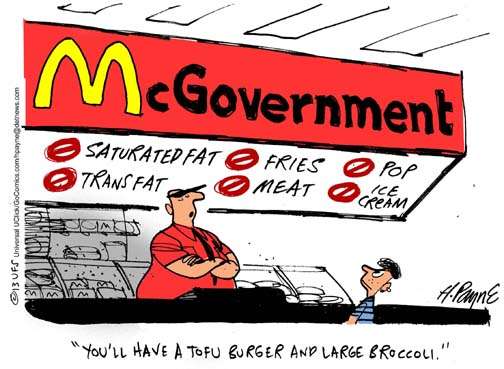
Just some problems with the "Obesity" war:
1). It tries to impose behavior change on everybody -- when most of those targeted are not obese and hence have no reason to change their behaviour. It is a form of punishing the innocent and the guilty alike. (It is also typical of Leftist thinking: Scorning the individual and capable of dealing with large groups only).
2). The longevity research all leads to the conclusion that it is people of MIDDLING weight who live longest -- not slim people. So the "epidemic" of obesity is in fact largely an "epidemic" of living longer.
3). It is total calorie intake that makes you fat -- not where you get your calories. Policies that attack only the source of the calories (e.g. "junk food") without addressing total calorie intake are hence pissing into the wind. People involuntarily deprived of their preferred calorie intake from one source are highly likely to seek and find their calories elsewhere.
4). So-called junk food is perfectly nutritious. A big Mac meal comprises meat, bread, salad and potatoes -- which is a mainstream Western diet. If that is bad then we are all in big trouble.
5). Food warriors demonize salt and fat. But we need a daily salt intake to counter salt-loss through perspiration and the research shows that people on salt-restricted diets die SOONER. And Eskimos eat huge amounts of fat with no apparent ill-effects. And the average home-cooked roast dinner has LOTS of fat. Will we ban roast dinners?
6). The foods restricted are often no more calorific than those permitted -- such as milk and fruit-juice drinks.
7). Tendency to weight is mostly genetic and is therefore not readily susceptible to voluntary behaviour change.
8). And when are we going to ban cheese? Cheese is a concentrated calorie bomb and has lots of that wicked animal fat in it too. Wouldn't we all be better off without it? And what about butter and margarine? They are just about pure fat. Surely they should be treated as contraband in kids' lunchboxes! [/sarcasm].
Trans fats:
For one summary of the weak science behind the "trans-fat" hysteria, see here. Trans fats have only a temporary effect on blood chemistry and the evidence of lasting harm from them is dubious. By taking extreme groups in trans fats intake, some weak association with coronary heart disease has at times been shown in some sub-populations but extreme group studies are inherently at risk of confounding with other factors and are intrinsically of little interest to the average person.
*********************

Thursday, September 20, 2007
Most Science Studies Appear to Be Tainted By Sloppy Analysis
We all make mistakes and, if you believe medical scholar John Ioannidis, scientists make more than their fair share. By his calculations, most published research findings are wrong. Dr. Ioannidis is an epidemiologist who studies research methods at the University of Ioannina School of Medicine in Greece and Tufts University in Medford, Mass. In a series of influential analytical reports, he has documented how, in thousands of peer-reviewed research papers published every year, there may be so much less than meets the eye.
These flawed findings, for the most part, stem not from fraud or formal misconduct, but from more mundane misbehavior: miscalculation, poor study design or self-serving data analysis. "There is an increasing concern that in modern research, false findings may be the majority or even the vast majority of published research claims," Dr. Ioannidis said. "A new claim about a research finding is more likely to be false than true."
The hotter the field of research the more likely its published findings should be viewed skeptically, he determined. Take the discovery that the risk of disease may vary between men and women, depending on their genes. Studies have prominently reported such sex differences for hypertension, schizophrenia and multiple sclerosis, as well as lung cancer and heart attacks. In research published last month in the Journal of the American Medical Association, Dr. Ioannidis and his colleagues analyzed 432 published research claims concerning gender and genes. Upon closer scrutiny, almost none of them held up. Only one was replicated.
Statistically speaking, science suffers from an excess of significance. Overeager researchers often tinker too much with the statistical variables of their analysis to coax any meaningful insight from their data sets. "People are messing around with the data to find anything that seems significant, to show they have found something that is new and unusual," Dr. Ioannidis said.
In the U. S., research is a $55-billion-a-year enterprise that stakes its credibility on the reliability of evidence and the work of Dr. Ioannidis strikes a raw nerve. In fact, his 2005 essay "Why Most Published Research Findings Are False" remains the most downloaded technical paper that the journal PLoS Medicine has ever published.
"He has done systematic looks at the published literature and empirically shown us what we know deep inside our hearts," said Muin Khoury, director of the National Office of Public Health Genomics at the U.S. Centers for Disease Control and Prevention. "We need to pay more attention to the replication of published scientific results."
Every new fact discovered through experiment represents a foothold in the unknown. In a wilderness of knowledge, it can be difficult to distinguish error from fraud, sloppiness from deception, eagerness from greed or, increasingly, scientific conviction from partisan passion. As scientific findings become fodder for political policy wars over matters from stem-cell research to global warming, even trivial errors and corrections can have larger consequences.
Still, other researchers warn not to fear all mistakes. Error is as much a part of science as discovery. It is the inevitable byproduct of a search for truth that must proceed by trial and error. "Where you have new areas of knowledge developing, then the science is going to be disputed, subject to errors arising from inadequate data or the failure to recognize new matters," said Yale University science historian Daniel Kevles. Conflicting data and differences of interpretation are common.
To root out mistakes, scientists rely on each other to be vigilant. Even so, findings too rarely are checked by others or independently replicated. Retractions, while more common, are still relatively infrequent. Findings that have been refuted can linger in the scientific literature for years to be cited unwittingly by other researchers, compounding the errors.
Stung by frauds in physics, biology and medicine, research journals recently adopted more stringent safeguards to protect at least against deliberate fabrication of data. But it is hard to admit even honest error. Last month, the Chinese government proposed a new law to allow its scientists to admit failures without penalty. Next week, the first world conference on research integrity convenes in Lisbon.
Overall, technical reviewers are hard-pressed to detect every anomaly. On average, researchers submit about 12,000 papers annually just to the weekly peer-reviewed journal Science. Last year, four papers in Science were retracted. A dozen others were corrected.
No one actually knows how many incorrect research reports remain unchallenged. Earlier this year, informatics expert Murat Cokol and his colleagues at Columbia University sorted through 9.4 million research papers at the U.S. National Library of Medicine published from 1950 through 2004 in 4,000 journals. By raw count, just 596 had been formally retracted, Dr. Cokol reported. "The correction isn't the ultimate truth either," Prof. Kevles said.
Source
Daily pill may save blood clot patients
A pill taken once a day could save the lives of thousands of the people who die in English hospitals every year from blood clots, according to a study published in The Lancet medical journal. Venous thrombo-embolism (VTE) - or blood clot - kills 25,000 people a year in English hospitals, more than the number of people who die from breast cancer, Aids or road traffic accidents.
The current treatment used in hospitals to prevent blood clots after hip replacement surgery is the injection Heparin. Yet a number of elderly patients, often discharged a few days after surgery, could find it difficult to inject themselves or to return to hospital for injections. Data has shown that the pill Dabigatran, taken once a day for an average of 33 days, is as effective as Heparin in preventing blood clots after hip replacement surgery. It will be available early next year and will be the first medicine available as a pill to prevent blood clots in hospital.
Patients undergoing surgery are particularly at risk of getting blood clots - a third of patients who are readmitted are done so because of deep vein thrombosis. Evidence shows that it takes an average of 21 days for a patient who has undergone a total hip replacement to develop a VTE, and that in three quarters of cases this was after they had been discharged from hospital. Guidelines from the Department of Health and the National Institute for Health and Clinical Excellence (Nice), which highlighted the problem, say that at-risk patients should receive treatment for a month following hip replacement surgery. A pill could therefore be more convenient.
Prof Simon Frostick, professor of orthopaedics at the University of Liverpool, who conducted the study, said: "Given the trend for shorter hospital stays following joint replacement surgery, it is becoming increasingly important to have anti-coagulant treatments available which are safe and easy to use. "Once-daily oral Dabigatran may be an attractive alternative to other regimens." This comes after Sir Liam Donaldson, the chief medical officer for England, said there was "room for improvement" in the treatment of patients at risk of blood clots. He said in a foreword to a Department of Health report in March: "The evidence suggested that in England around 25,000 people a year died from VTE in hospitals alone."
Source
****************
Just some problems with the "Obesity" war:
1). It tries to impose behavior change on everybody -- when most of those targeted are not obese and hence have no reason to change their behaviour. It is a form of punishing the innocent and the guilty alike. (It is also typical of Leftist thinking: Scorning the individual and capable of dealing with large groups only).
2). The longevity research all leads to the conclusion that it is people of MIDDLING weight who live longest -- not slim people. So the "epidemic" of obesity is in fact largely an "epidemic" of living longer.
3). It is total calorie intake that makes you fat -- not where you get your calories. Policies that attack only the source of the calories (e.g. "junk food") without addressing total calorie intake are hence pissing into the wind. People involuntarily deprived of their preferred calorie intake from one source are highly likely to seek and find their calories elsewhere.
4). So-called junk food is perfectly nutritious. A big Mac meal comprises meat, bread, salad and potatoes -- which is a mainstream Western diet. If that is bad then we are all in big trouble.
5). Food warriors demonize salt and fat. But we need a daily salt intake to counter salt-loss through perspiration and the research shows that people on salt-restricted diets die SOONER. And Eskimos eat huge amounts of fat with no apparent ill-effects. And the average home-cooked roast dinner has LOTS of fat. Will we ban roast dinners?
6). The foods restricted are often no more calorific than those permitted -- such as milk and fruit-juice drinks.
7). Tendency to weight is mostly genetic and is therefore not readily susceptible to voluntary behaviour change.
8). And when are we going to ban cheese? Cheese is a concentrated calorie bomb and has lots of that wicked animal fat in it too. Wouldn't we all be better off without it? And what about butter and margarine? They are just about pure fat. Surely they should be treated as contraband in kids' lunchboxes! [/sarcasm].
Trans fats:
For one summary of the weak science behind the "trans-fat" hysteria, see here. Trans fats have only a temporary effect on blood chemistry and the evidence of lasting harm from them is dubious. By taking extreme groups in trans fats intake, some weak association with coronary heart disease has at times been shown in some sub-populations but extreme group studies are inherently at risk of confounding with other factors and are intrinsically of little interest to the average person.
*********************
Wednesday, September 19, 2007
Medical flip-flops
The generally excellent article below is from the NYT. The author is not quite up to date with the latest flip-flop though. Official British wisdom decided a few days ago that estrogen pills are good for women
Once upon a time, women took estrogen only to relieve the hot flashes, sweating, vaginal dryness and the other discomforting symptoms of menopause. In the late 1960s, thanks in part to the efforts of Robert Wilson, a Brooklyn gynecologist, and his 1966 best seller, "Feminine Forever," this began to change, and estrogen therapy evolved into a long-term remedy for the chronic ills of aging. Menopause, Wilson argued, was not a natural age-related condition; it was an illness, akin to diabetes or kidney failure, and one that could be treated by taking estrogen to replace the hormones that a woman's ovaries secreted in ever diminishing amounts. With this argument estrogen evolved into hormone-replacement therapy, or H.R.T., as it came to be called, and became one of the most popular prescription drug treatments in America.
By the mid-1990s, the American Heart Association, the American College of Physicians and the American College of Obstetricians and Gynecologists had all concluded that the beneficial effects of H.R.T. were sufficiently well established that it could be recommended to older women as a means of warding off heart disease and osteoporosis. By 2001, 15 million women were filling H.R.T. prescriptions annually; perhaps 5 million were older women, taking the drug solely with the expectation that it would allow them to lead a longer and healthier life. A year later, the tide would turn. In the summer of 2002, estrogen therapy was exposed as a hazard to health rather than a benefit, and its story became what Jerry Avorn, a Harvard epidemiologist, has called the "estrogen debacle" and a "case study waiting to be written" on the elusive search for truth in medicine.
Many explanations have been offered to make sense of the here-today-gone-tomorrow nature of medical wisdom - what we are advised with confidence one year is reversed the next - but the simplest one is that it is the natural rhythm of science. An observation leads to a hypothesis. The hypothesis (last year's advice) is tested, and it fails this year's test, which is always the most likely outcome in any scientific endeavor. There are, after all, an infinite number of wrong hypotheses for every right one, and so the odds are always against any particular hypothesis being true, no matter how obvious or vitally important it might seem.
In the case of H.R.T., as with most issues of diet, lifestyle and disease, the hypotheses begin their transformation into public-health recommendations only after they've received the requisite support from a field of research known as epidemiology. This science evolved over the last 250 years to make sense of epidemics - hence the name - and infectious diseases. Since the 1950s, it has been used to identify, or at least to try to identify, the causes of the common chronic diseases that befall us, particularly heart disease and cancer. In the process, the perception of what epidemiologic research can legitimately accomplish - by the public, the press and perhaps by many epidemiologists themselves - may have run far ahead of the reality. The case of hormone-replacement therapy for post-menopausal women is just one of the cautionary tales in the annals of epidemiology. It's a particularly glaring example of the difficulties of trying to establish reliable knowledge in any scientific field with research tools that themselves may be unreliable.
What was considered true about estrogen therapy in the 1960s and is still the case today is that it is an effective treatment for menopausal symptoms. Take H.R.T. for a few menopausal years and it's extremely unlikely that any harm will come from it. The uncertainty involves the lifelong risks and benefits should a woman choose to continue taking H.R.T. long past menopause. In 1985, the Nurses' Health Study run out of the Harvard Medical School and the Harvard School of Public Health reported that women taking estrogen had only a third as many heart attacks as women who had never taken the drug. This appeared to confirm the belief that women were protected from heart attacks until they passed through menopause and that it was estrogen that bestowed that protection, and this became the basis of the therapeutic wisdom for the next 17 years.
Faith in the protective powers of estrogen began to erode in 1998, when a clinical trial called HERS, for Heart and Estrogen-progestin Replacement Study, concluded that estrogen therapy increased, rather than decreased, the likelihood that women who already had heart disease would suffer a heart attack. It evaporated entirely in July 2002, when a second trial, the Women's Health Initiative, or W.H.I., concluded that H.R.T. constituted a potential health risk for all postmenopausal women. While it might protect them against osteoporosis and perhaps colorectal cancer, these benefits would be outweighed by increased risks of heart disease, stroke, blood clots, breast cancer and perhaps even dementia. And that was the final word. Or at least it was until the June 21 issue of The New England Journal of Medicine. Now the idea is that hormone-replacement therapy may indeed protect women against heart disease if they begin taking it during menopause, but it is still decidedly deleterious for those women who begin later in life.
This latest variation does come with a caveat, however, which could have been made at any point in this history. While it is easy to find authority figures in medicine and public health who will argue that today's version of H.R.T. wisdom is assuredly the correct one, it's equally easy to find authorities who will say that surely we don't know. The one thing on which they will all agree is that the kind of experimental trial necessary to determine the truth would be excessively expensive and time-consuming and so will almost assuredly never happen. Meanwhile, the question of how many women may have died prematurely or suffered strokes or breast cancer because they were taking a pill that their physicians had prescribed to protect them against heart disease lingers unanswered. A reasonable estimate would be tens of thousands.
The Flip-Flop Rhythm of Science
At the center of the H.R.T. story is the science of epidemiology itself and, in particular, a kind of study known as a prospective or cohort study, of which the Nurses' Health Study is among the most renowned. In these studies, the investigators monitor disease rates and lifestyle factors (diet, physical activity, prescription drug use, exposure to pollutants, etc.) in or between large populations (the 122,000 nurses of the Nurses' study, for example). They then try to infer conclusions - i.e., hypotheses - about what caused the disease variations observed. Because these studies can generate an enormous number of speculations about the causes or prevention of chronic diseases, they provide the fodder for much of the health news that appears in the media - from the potential benefits of fish oil, fruits and vegetables to the supposed dangers of sedentary lives, trans fats and electromagnetic fields. Because these studies often provide the only available evidence outside the laboratory on critical issues of our well-being, they have come to play a significant role in generating public-health recommendations as well
The dangerous game being played here, as David Sackett, a retired Oxford University epidemiologist, has observed, is in the presumption of preventive medicine. The goal of the endeavor is to tell those of us who are otherwise in fine health how to remain healthy longer. But this advice comes with the expectation that any prescription given - whether diet or drug or a change in lifestyle - will indeed prevent disease rather than be the agent of our disability or untimely death. With that presumption, how unambiguous does the evidence have to be before any advice is offered
The catch with observational studies like the Nurses' Health Study, no matter how well designed and how many tens of thousands of subjects they might include, is that they have a fundamental limitation. They can distinguish associations between two events - that women who take H.R.T. have less heart disease, for instance, than women who don't. But they cannot inherently determine causation - the conclusion that one event causes the other; that H.R.T. protects against heart disease. As a result, observational studies can only provide what researchers call hypothesis-generating evidence - what a defense attorney would call circumstantial evidence.
Testing these hypotheses in any definitive way requires a randomized-controlled trial - an experiment, not an observational study - and these clinical trials typically provide the flop to the flip-flop rhythm of medical wisdom. Until August 1998, the faith that H.R.T. prevented heart disease was based primarily on observational evidence, from the Nurses' Health Study most prominently. Since then, the conventional wisdom has been based on clinical trials - first HERS, which tested H.R.T. against a placebo in 2,700 women with heart disease, and then the Women's Health Initiative, which tested the therapy against a placebo in 16,500 healthy women. When the Women's Health Initiative concluded in 2002 that H.R.T. caused far more harm than good, the lesson to be learned, wrote Sackett in The Canadian Medical Association Journal, was about the "disastrous inadequacy of lesser evidence" for shaping medical and public-health policy. The contentious wisdom circa mid-2007 - that estrogen benefits women who begin taking it around the time of menopause but not women who begin substantially later - is an attempt to reconcile the discordance between the observational studies and the experimental ones. And it may be right. It may not. The only way to tell for sure would be to do yet another randomized trial, one that now focused exclusively on women given H.R.T. when they begin their menopause.
A Poor Track Record of Prevention
No one questions the value of these epidemiologic studies when they're used to identify the unexpected side effects of prescription drugs or to study the progression of diseases or their distribution between and within populations. One reason researchers believe that heart disease and many cancers can be prevented is because of observational evidence that the incidence of these diseases differ greatly in different populations and in the same populations over time. Breast cancer is not the scourge among Japanese women that it is among American women, but it takes only two generations in the United States before Japanese-Americans have the same breast cancer rates as any other ethnic group. This tells us that something about the American lifestyle or diet is a cause of breast cancer. Over the last 20 years, some two dozen large studies, the Nurses' Health Study included, have so far failed to identify what that factor is. They may be inherently incapable of doing so. Nonetheless, we know that such a carcinogenic factor of diet or lifestyle exists, waiting to be identified.
These studies have also been invaluable for identifying predictors of disease - risk factors - and this information can then guide physicians in weighing the risks and benefits of putting a particular patient on a particular drug. The studies have repeatedly confirmed that high blood pressure is associated with an increased risk of heart disease and that obesity is associated with an increased risk of most of our common chronic diseases, but they have not told us what it is that raises blood pressure or causes obesity. Indeed, if you ask the more skeptical epidemiologists in the field what diet and lifestyle factors have been convincingly established as causes of common chronic diseases based on observational studies without clinical trials, you'll get a very short list: smoking as a cause of lung cancer and cardiovascular disease, sun exposure for skin cancer, sexual activity to spread the papilloma virus that causes cervical cancer and perhaps alcohol for a few different cancers as well.
Richard Peto, professor of medical statistics and epidemiology at Oxford University, phrases the nature of the conflict this way: "Epidemiology is so beautiful and provides such an important perspective on human life and death, but an incredible amount of rubbish is published," by which he means the results of observational studies that appear daily in the news media and often become the basis of public-health recommendations about what we should or should not do to promote our continued good health.
In January 2001, the British epidemiologists George Davey Smith and Shah Ebrahim, co-editors of The International Journal of Epidemiology, discussed this issue in an editorial titled "Epidemiology - Is It Time to Call It a Day?" They noted that those few times that a randomized trial had been financed to test a hypothesis supported by results from these large observational studies, the hypothesis either failed the test or, at the very least, the test failed to confirm the hypothesis: antioxidants like vitamins E and C and beta carotene did not prevent heart disease, nor did eating copious fiber protect against colon cancer.
The Nurses' Health Study is the most influential of these cohort studies, and in the six years since the Davey Smith and Ebrahim editorial, a series of new trials have chipped away at its credibility. The Women's Health Initiative hormone-therapy trial failed to confirm the proposition that H.R.T. prevented heart disease; a W.H.I. diet trial with 49,000 women failed to confirm the notion that fruits and vegetables protected against heart disease; a 40,000-woman trial failed to confirm that a daily regimen of low-dose aspirin prevented colorectal cancer and heart attacks in women under 65. And this June, yet another clinical trial - this one of 1,000 men and women with a high risk of colon cancer - contradicted the inference from the Nurses's study that folic acid supplements reduced the risk of colon cancer. Rather, if anything, they appear to increase risk.
The implication of this track record seems hard to avoid. "Even the Nurses' Health Study, one of the biggest and best of these studies, cannot be used to reliably test small-to-moderate risks or benefits," says Charles Hennekens, a principal investigator with the Nurses' study from 1976 to 2001. "None of them can."
Much more here
Slow food more fattening
People who opt for a meal at a "healthy" restaurant often consume more calories than they would dining at fast food joints that make no health claims, a new study shows. The researchers found that individuals underestimate the calorie content of foods served at restaurants they see as healthier, to a degree that could easily lead to weight gain.
For example, "People think that the same 1,000-calorie meal has 159 fewer calories if it comes from Subway than if it comes from McDonalds," Dr. Pierre Chandon, at INSEAD in Fontainebleau, France, told Reuters Health. "If they choose to consume this fictitious 'calorie credit' on other food, and it they eat at Subway twice a week, they could gain an extra 4.9 pounds a year."
While restaurants presenting themselves as healthy have grown at a much faster rate over the past five years than traditional fast food restaurants, Americans' waistlines have not been shrinking; in fact, the nation's population is fatter than ever, note Chandon and his colleague Dr. Brian Wansink of Cornell University in Ithaca in their report in the Journal of Consumer Research.
The researchers theorized that people might take in more calories when they eat in "healthy" restaurants, and conducted a series of studies to test this notion. In the first, they asked people who had just finished eating at Subway or McDonalds to estimate how many calories they had just consumed. On average, Subway patrons rated their meals as having 151 fewer calories than did McDonalds patrons. In fact, for a meal at either restaurant containing 1,000 calories, people would estimate it to contain 744 calories if they'd eaten at McDonalds and 585 calories if they'd dined at Subway.
In the second experiment, they asked people to estimate the calorie content of four different sandwiches: a six-inch ham and cheese sandwich (330 calories) and a 12-inch turkey sandwich (600 calories) from Subway; and a McDonalds cheeseburger (330 calories) and a Big Mac (600 calories). Study participants consistently rated the Subway sandwich as having fewer calories than the McDonalds sandwich with the same calorie content.
Next, the researchers offered people a coupon for a Big Mac (600 calories) or a Subway 12-inch Italian BMT sandwich (900 calories), and asked them whether they would like to order a drink or cookies with their sandwich. People eating the Subway sandwich were more likely to choose a large drink, less likely to opt for diet soda, and more likely to get cookies. This meant that, on average, they wound up consuming 1,011 calories, compared to 648 calories for the people given a McDonalds coupon.
People who want to control their weight or trim down need to think objectively about calorie content, and not let their perceptions be clouded by whether a food is supposed to be good or bad for them, Chandon said. "We have to move away from thinking of food in 'good food / bad food' (terms) and think also about 'how much food.' In France, for example, people enjoy relatively fat diets but are less overweight simply because portion sizes in restaurants and at home are smaller."
Chandon suggested one technique to help people judge calorie counts more accurately: "Instead of estimating the number of calories of the whole meal (which leads to undercounting) look at the sandwich, the side, the beverages, and the drink and add that up. Our research showed that this 'piecemeal' method is very effective."
Source
****************
Just some problems with the "Obesity" war:
1). It tries to impose behavior change on everybody -- when most of those targeted are not obese and hence have no reason to change their behaviour. It is a form of punishing the innocent and the guilty alike. (It is also typical of Leftist thinking: Scorning the individual and capable of dealing with large groups only).
2). The longevity research all leads to the conclusion that it is people of MIDDLING weight who live longest -- not slim people. So the "epidemic" of obesity is in fact largely an "epidemic" of living longer.
3). It is total calorie intake that makes you fat -- not where you get your calories. Policies that attack only the source of the calories (e.g. "junk food") without addressing total calorie intake are hence pissing into the wind. People involuntarily deprived of their preferred calorie intake from one source are highly likely to seek and find their calories elsewhere.
4). So-called junk food is perfectly nutritious. A big Mac meal comprises meat, bread, salad and potatoes -- which is a mainstream Western diet. If that is bad then we are all in big trouble.
5). Food warriors demonize salt and fat. But we need a daily salt intake to counter salt-loss through perspiration and the research shows that people on salt-restricted diets die SOONER. And Eskimos eat huge amounts of fat with no apparent ill-effects. And the average home-cooked roast dinner has LOTS of fat. Will we ban roast dinners?
6). The foods restricted are often no more calorific than those permitted -- such as milk and fruit-juice drinks.
7). Tendency to weight is mostly genetic and is therefore not readily susceptible to voluntary behaviour change.
8). And when are we going to ban cheese? Cheese is a concentrated calorie bomb and has lots of that wicked animal fat in it too. Wouldn't we all be better off without it? And what about butter and margarine? They are just about pure fat. Surely they should be treated as contraband in kids' lunchboxes! [/sarcasm].
Trans fats:
For one summary of the weak science behind the "trans-fat" hysteria, see here. Trans fats have only a temporary effect on blood chemistry and the evidence of lasting harm from them is dubious. By taking extreme groups in trans fats intake, some weak association with coronary heart disease has at times been shown in some sub-populations but extreme group studies are inherently at risk of confounding with other factors and are intrinsically of little interest to the average person.
*********************
Tuesday, September 18, 2007
Guinness 'may be good for you' after all
Ignore the "antioxidant" explanation given below. Antioxidants are the medical equivalent of global warming -- used to explain just about anything. The only interesting thing is whether the study was double blind or not. I suspect not but I have been unable to find the journal article behind the report below. It seems to recycle a 2003 report -- perhaps because the 2003 report has finally reached journal publication. The author would appear to be Prof. J.D. Folts but Medline does not yet list the Guinness article. Prof. Folts is normally a grape-juice enthusiast

The old slogan "Guinness is Good For You" may actually be true, according to new medical research that suggests the stout may help prevent heart attacks. University researchers in the US claim that drinking a pint of the black stuff each day may be as effective in preventing heart attacks as an aspirin because it can reduce heart clots.
Trials at the University of Wisconsin used dogs with narrowed arteries similar to those in people with heart disease to compare effects of drinking stout with those of drinking lager. They found Guinness reduced clotting activity but lager did not. The research concluded that the "antioxidant compounds" found in Guinness are similar to those found in certain fruits and vegetables, making the stout work as well as aspirin in the prevention of heart clots. The researchers said that the most benefit they saw was from taking 24 fluid ounces of Guinness - just over a pint - at meal times.
Blood clots can trigger heart attacks if they lodge in arteries that supply blood to the heart. Many patients at risk of heart attacks are prescribed low-dose aspirin, which reduces the blood's ability blood to form clots.
Guinness was ordered to stop using its famous "Guinness is Good For You" advertising slogan decades ago. The original 1920s campaign stemmed from market research which found that Guinness drinkers felt good after a pint. At one point in England post-operative patients used to be given Guinness, as were blood donors, because of its high iron content. Pregnant women and nursing mothers were also advised to drink the stout - but present advice is against this. Diageo, which now manufactures Guinness said "We never make any medical claims for our drinks" and reiterated their calls for "responsible drinking."
The UK is the largest market in the world for Guinness.
Source
Psychosis discovery looks like a big leap forward
ANTIDEPRESSANTS could prevent the onset of schizophrenia if prescribed before the first psychotic episode, a ground-breaking study by a Sydney researcher has found. The research found that the brains of people who showed early signs of the disorder, such as impaired thinking or reduced social skills, had less of a protein which helps produce and maintain neurons and their pathways. That protein - brain-derived neurotrophic factor - can be regulated by second-generation antidepressants, such as Prozac or Zoloft, preventing the development of full-blown psychosis which can cripple a sufferer's relationships and job prospects.
Dr Cyndi Shannon-Weickert, the professorial chair of schizophrenia research at the Prince of Wales Medical Research Institute, has spent five years studying the neurobiology of schizophrenia and is excited by what could be the disorder's "first pharmacological change in treatment in 60 years". "This is exciting work because if we have prevented schizophrenia, we have cured it," she said.
Studies on prevention have focused on the prodrome, which is the phase of illness before psychosis. During that time, which lasts between two and 10 years, people may show changes in the way they process information or deal with others, but not suffer from hallucinations or delusions. "They may be paying less attention at school, have less motivation or be withdrawing socially from their friends," Dr Shannon-Weickert said. It is that window of opportunity she wants doctors to seize, because if the prodromal phase is not recognised and treated, the person will eventually suffer psychosis and be diagnosed with schizophrenia. Sufferers are usually treated with antipsychotic medications after they experience their first psychotic episode, but the medications are not well-tolerated due to side effects such as weight gain, lethargy, constipation and blurred vision. In one study of 13 prodromal adolescents who became psychotic, 12 had gone off their medication for one month or longer. Antidepressants were better tolerated because their side effects were milder so the compliance rate was much higher, she said.
In post-mortem studies, Dr Shannon-Weickert found the level of brain-derived neurotrophic factor in those on antidepressants was double that of those who were not. Brain-derived neurotrophic factor is found in the hippocampus, cortex and basal forebrain and is vital to learning, memory and higher thinking. Low levels have been linked with depression, obsessive-compulsive disorder, Alzheimer's disease, Huntington's disease and dementia. Mice born without brain-derived neurotrophic factor suffer developmental defects in the brain and the nervous system, and usually die soon after birth.
"We now know we have this window where we can reverse this disorder so we really need to start focusing on early intervention," she said. "People at risk need to start taking antidepressants as early as possible." Schizophrenia affects about 200,000 Australians. One in six will take their life. "Within a decade I think we will see quite a paradigm shift with this disorder," Dr Shannon-Weickert said. "It won't help the people who currently have schizophrenia, but it stop future generations from developing it."
Source
****************
Just some problems with the "Obesity" war:
1). It tries to impose behavior change on everybody -- when most of those targeted are not obese and hence have no reason to change their behaviour. It is a form of punishing the innocent and the guilty alike. (It is also typical of Leftist thinking: Scorning the individual and capable of dealing with large groups only).
2). The longevity research all leads to the conclusion that it is people of MIDDLING weight who live longest -- not slim people. So the "epidemic" of obesity is in fact largely an "epidemic" of living longer.
3). It is total calorie intake that makes you fat -- not where you get your calories. Policies that attack only the source of the calories (e.g. "junk food") without addressing total calorie intake are hence pissing into the wind. People involuntarily deprived of their preferred calorie intake from one source are highly likely to seek and find their calories elsewhere.
4). So-called junk food is perfectly nutritious. A big Mac meal comprises meat, bread, salad and potatoes -- which is a mainstream Western diet. If that is bad then we are all in big trouble.
5). Food warriors demonize salt and fat. But we need a daily salt intake to counter salt-loss through perspiration and the research shows that people on salt-restricted diets die SOONER. And Eskimos eat huge amounts of fat with no apparent ill-effects. And the average home-cooked roast dinner has LOTS of fat. Will we ban roast dinners?
6). The foods restricted are often no more calorific than those permitted -- such as milk and fruit-juice drinks.
7). Tendency to weight is mostly genetic and is therefore not readily susceptible to voluntary behaviour change.
8). And when are we going to ban cheese? Cheese is a concentrated calorie bomb and has lots of that wicked animal fat in it too. Wouldn't we all be better off without it? And what about butter and margarine? They are just about pure fat. Surely they should be treated as contraband in kids' lunchboxes! [/sarcasm].
Trans fats:
For one summary of the weak science behind the "trans-fat" hysteria, see here. Trans fats have only a temporary effect on blood chemistry and the evidence of lasting harm from them is dubious. By taking extreme groups in trans fats intake, some weak association with coronary heart disease has at times been shown in some sub-populations but extreme group studies are inherently at risk of confounding with other factors and are intrinsically of little interest to the average person.
*********************
Monday, September 17, 2007
New hope for blood cancer treatment
A WORLD breakthrough by Australian researchers - solving the riddle why some people do not respond to a "magic bullet" for chronic myeloid leukemia - holds new hope for treating a variety of cancers. Scientists have been puzzled why most patients have excellent responses to a recently developed drug, Glivec, but some do not respond well. Glivec is a tiny molecule targeting a specific enzyme which triggers leukemia in blood cells, blocking it and killing off the leukemic cells. The drug has had dramatic success in about two-thirds of patients but researchers have been baffled why other people don't respond as well.
However, work by researchers at the Hanson Institute and the Institute of Medical and Veterinary Science in Adelaide has found the reason. IMVS haematologist Professor Tim Hughes said Glivec specifically blocked the rogue enzyme in leukemia cells. "The development of 'targeted drugs' has been a huge development in anti-cancer therapy in the past decade, and we have been looking at how we can make further improvements in the field," he said. "The two-thirds of patients had great responses purely by switching off the enzyme, but we were mystified why one-third did not respond as well.
"We recently found the reason: the one-third just don't take up the drug into their leukaemic cells as efficiently, even though they are given exactly the same dose. "You can give two patients exactly the same dose but the amount that actually gets into the leukaemia cells will vary greatly. "Remarkably, the leukaemic cell itself determines how much of the drug is able to enter - the drug depends on the cell saying: 'Come inside and destroy me'."
Glivec is taken as a tablet which enters the bloodstream and finds its way to leukaemia cells, entering the cells and blocking the faulty enzyme. The discovery that some people's cells do not take it up as efficiently as others has led the Adelaide team to examine drug transport pathways into blood cells.
Researcher Deb White has now developed a blood test that can detect each patient's efficiency at taking up the drug. The test requires only 10ml of blood, takes just 24 hours and is being patented by the IMVS for expected worldwide commercial use. Patients identified as not being likely to respond well to standard doses of Glivec may be given higher doses or put on newer targeted drugs now coming into use, increasing survival rates.
The discovery that some people's cells do not accept cancer drugs as well as others has important implications for a range of cancers including some gastric and lung cancers. "We are moving towards individualised therapy, where we can predict what dose of a cancer drug each different person needs for maximum effect," Prof Hughes said. "I think with this tailored approach we may get a success rate greater than 90 per cent in chronic myeloid leukaemia."
The work has been published in the international journal Blood and already has attracted wide attention from haematologists.
Source
Blueberry the super brain food?

Groan! Yet another bright-eyed hymn of praise to the miracle powers of fruits and berries. We would all be living to 150 if a fraction of it were true
BLUEBERRIES are being hailed by experts as a superfood that can slow the ageing process and even stall the onset of Alzheimer's disease. Researchers say a cup of blueberries a day will keep the mind young, with a study finding they can slow ageing in the brain. But, if a punnet of berries is too much to stomach, spinach, walnuts or grapefruit juice will also keep the mind healthy, the study found.
Professor James Joseph, from Tufts University in Boston, believes blueberries could be the key to a youthful mind. "We don't as yet understand fully the mechanisms involved in these behavioral/neuronal communication benefits of the berries," he said. "But our recent studies suggest that berries may actually reduce the signals created by inflammatory and oxidative stressors and increase the signals that are important in facilitating information concerned with learning and memory. "We've been testing on old rodents and have had positive results, but early trials on human brains are showing that people's reaction times can increase," he said.
A study by CSIRO researchers also found bush nuts and berries - which are a rich source of antioxidants - could help reduce the risk of cancers.
Source
****************
Just some problems with the "Obesity" war:
1). It tries to impose behavior change on everybody -- when most of those targeted are not obese and hence have no reason to change their behaviour. It is a form of punishing the innocent and the guilty alike. (It is also typical of Leftist thinking: Scorning the individual and capable of dealing with large groups only).
2). The longevity research all leads to the conclusion that it is people of MIDDLING weight who live longest -- not slim people. So the "epidemic" of obesity is in fact largely an "epidemic" of living longer.
3). It is total calorie intake that makes you fat -- not where you get your calories. Policies that attack only the source of the calories (e.g. "junk food") without addressing total calorie intake are hence pissing into the wind. People involuntarily deprived of their preferred calorie intake from one source are highly likely to seek and find their calories elsewhere.
4). So-called junk food is perfectly nutritious. A big Mac meal comprises meat, bread, salad and potatoes -- which is a mainstream Western diet. If that is bad then we are all in big trouble.
5). Food warriors demonize salt and fat. But we need a daily salt intake to counter salt-loss through perspiration and the research shows that people on salt-restricted diets die SOONER. And Eskimos eat huge amounts of fat with no apparent ill-effects. And the average home-cooked roast dinner has LOTS of fat. Will we ban roast dinners?
6). The foods restricted are often no more calorific than those permitted -- such as milk and fruit-juice drinks.
7). Tendency to weight is mostly genetic and is therefore not readily susceptible to voluntary behaviour change.
8). And when are we going to ban cheese? Cheese is a concentrated calorie bomb and has lots of that wicked animal fat in it too. Wouldn't we all be better off without it? And what about butter and margarine? They are just about pure fat. Surely they should be treated as contraband in kids' lunchboxes! [/sarcasm].
Trans fats:
For one summary of the weak science behind the "trans-fat" hysteria, see here. Trans fats have only a temporary effect on blood chemistry and the evidence of lasting harm from them is dubious. By taking extreme groups in trans fats intake, some weak association with coronary heart disease has at times been shown in some sub-populations but extreme group studies are inherently at risk of confounding with other factors and are intrinsically of little interest to the average person.
*********************
Sunday, September 16, 2007
Salt fraudulently linked to higher blood pressure in kids
The journal abstract is here. The finding is that a tiny and clinically insignificant increase in blood pressure was found to be associated with how much salt kids say they sprinkle on their food. I have made some comments in the body of the article below but let me make the usual comments here about this epidemiological crap. It seems likely that the "disobedience" to health directives by working class people is all that is shown here. Working class people are less likely to be scared off salt and it is also known that they tend to have poorer health due to various factors such as lack of exercise -- not excluding genetic factors. So working class kids both say they use more salt and have higher blood pressure. Class is the probable causative factor behind the results, not salt. And research showing that people on salt-restricted diets die SOONER is not mentioned, of course. What a crock!
Children and adolescents consuming higher levels of salt in their diets have higher blood pressure, confirms a UK study published today. The new study, based on data collected in the 1997 National Diet and Nutrition Survey for young people in Great Britain (NDNS), will add further urgency to food industry efforts to reduce the salt content of their products.
"Currently, salt intake in young people is unnecessarily high due, in most countries, to hidden salt added to food by the food industry," wrote the authors in The Journal of Human Hypertension
The researchers examined the salt intake and blood pressure of 1,658 children aged between 4 and 18, with salt intake assessed by a seven-day dietary record. The average salt intake, which did not include salt added in cooking or at the table [So they have no idea what the total salt intake was!], was 4.7g/day at the age of 4 years. With increasing age, there was an increase in salt intake, and by the age of 18 years, salt intake was 6.8g/day. The findings revealed that for each extra 1g of salt eaten by the participants, there was a related 0.4mmHg increase in systolic blood pressure.
"This is an important finding which confirms that eating more salt increases blood pressure in childhood and also adds extra weight to the current public health campaign to reduce salt in the UK diet," said Professor Malcolm Law, professor of epidemiology and preventive medicine at the Wolfson Institute of Preventive Medicine. "The differences in systolic blood pressure between children with higher and lower salt diets may appear small, but making reductions of this order in childhood is likely to translate into lower levels of blood pressure in adult life, with reduced risk of developing heart disease and stroke and potentially huge gains in public health being possible."
Although increased blood pressure is uncommon in children, blood pressure follows a tracking pattern, which means that individuals who have a higher blood pressure in early life are more likely to develop high blood pressure when they grow older. High blood pressure (hypertension) - a major risk factor for cardiovascular disease - has been repeatedly linked to an increased salt intake, spurring global campaigns to reduce the sodium levels in processed foods.
In the UK, Ireland and the USA, over 80 per cent of salt intake comes from processed food [Which is what the study did NOT examine!], with 20 per cent of salt intake coming from meat and meat products, and about 35 per cent from cereal and cereal products.
The new findings, which are consistent with the findings from a recent meta-analysis of controlled salt reduction trials in children and adolescents, suggest that anything that lowers blood pressure in children is likely to reduce the number of people developing high blood pressure in later life. "The message for parents is to check labels, especially on foods such as breakfast cereals and snack products, which they may not expect to contain high levels of salt, and choose the lower salt options. 1.5g of salt may not sound much, but parents need to know that it is half a six year-old's maximum recommended upper limit of salt for a whole day (3g) and 30 per cent of a ten year-old's (5g)," said Jo Butten, nutritionist for Consensus Action on Salt and Health.
According to the researchers, the strengths of their study are that the data were from a large nationally representative sample of British young people, and that salt intake was estimated from a 7-day dietary record, which could characterize individuals' usual intake more accurately than a dietary record taken over 1-2 days. [Big deal!]
Limitations include that the NDNS is a cross-sectional study, and no cause-effect relationship can be drawn from such a study. In addition, the salt intake estimated from the NDNS underestimated the actual amount of salt consumed by children as it did not include salt added in cooking or at the table.
Source
Salt is a crime?
A McDonald's employee spent a night in jail and is facing criminal charges because a police officer's burger was too salty, so salty that he says it made him sick. Kendra Bull was arrested Friday, charged with misdemeanor reckless conduct and freed on $1,000 bail.
Bull, 20, said she accidentally spilled salt on hamburger meat and told her supervisor and a co-worker, who ''tried to thump the salt off.'' On her break, she ate a burger made with the salty meat. ''It didn't make me sick,'' Bull told the Atlanta Journal-Constitution.
But then Police Officer Wendell Adams got a burger made with the oversalted meat, and he returned a short time later and told the manager it made him sick. Bull admitted spilling salt on the meat, and Adams took her outside and questioned her, she said.
''If it was too salty, why did (Adams) not take one bite and throw it away?'' said Bull, who has worked at the restaurant for five months. She said she didn't know a police officer got one of the salty burgers because she couldn't see the drive-through window from her work area.
Police said samples of the burger were sent to the state crime lab for tests. City public information officer George Louth said Bull was charged because she served the burger ''without regards to the well-being of anyone who might consume it.''
Source
Honey reduces anxiety and improves memory?
The anti-oxidant religion, again. It's a great theory but it's a pity that antioxidants shorten your life, though
HONEY could help counter the effects of ageing and decrease anxiety, according to a new study. The study in New Zealand, revealed today in the New Scientist journal, found honey improved memory and reduced anxiety.
Lynne Chepulis and Nicola Starkey at the University of Waikato in Hamilton conducted their tests on rats. They raised them on diets of 10 per cent honey, eight per cent sucrose or no sugar at all for a year. The rats were two months old at the start of the trial, and were assessed every three months using tests designed to measure anxiety and spatial memory.
The honey-fed rats spent almost twice as much time in the open sections of an assessment maze then sucrose-fed rats, suggesting they were less anxious. They were also more likely to enter novel sections of a Y-shaped maze, suggesting they knew where they had been previously and had better spatial memory.
Starkey said: "Diets sweetened with honey may be beneficial in decreasing anxiety and improving memory during ageing.'' She believes this could be due to the antioxidant properties of honey, which have previously been demonstrated in humans. The study was funded by Fonterra, a dairy company interested in sweetening yoghurt with honey.
Source
****************
Just some problems with the "Obesity" war:
1). It tries to impose behavior change on everybody -- when most of those targeted are not obese and hence have no reason to change their behaviour. It is a form of punishing the innocent and the guilty alike. (It is also typical of Leftist thinking: Scorning the individual and capable of dealing with large groups only).
2). The longevity research all leads to the conclusion that it is people of MIDDLING weight who live longest -- not slim people. So the "epidemic" of obesity is in fact largely an "epidemic" of living longer.
3). It is total calorie intake that makes you fat -- not where you get your calories. Policies that attack only the source of the calories (e.g. "junk food") without addressing total calorie intake are hence pissing into the wind. People involuntarily deprived of their preferred calorie intake from one source are highly likely to seek and find their calories elsewhere.
4). So-called junk food is perfectly nutritious. A big Mac meal comprises meat, bread, salad and potatoes -- which is a mainstream Western diet. If that is bad then we are all in big trouble.
5). Food warriors demonize salt and fat. But we need a daily salt intake to counter salt-loss through perspiration and the research shows that people on salt-restricted diets die SOONER. And Eskimos eat huge amounts of fat with no apparent ill-effects. And the average home-cooked roast dinner has LOTS of fat. Will we ban roast dinners?
6). The foods restricted are often no more calorific than those permitted -- such as milk and fruit-juice drinks.
7). Tendency to weight is mostly genetic and is therefore not readily susceptible to voluntary behaviour change.
8). And when are we going to ban cheese? Cheese is a concentrated calorie bomb and has lots of that wicked animal fat in it too. Wouldn't we all be better off without it? And what about butter and margarine? They are just about pure fat. Surely they should be treated as contraband in kids' lunchboxes! [/sarcasm].
Trans fats:
For one summary of the weak science behind the "trans-fat" hysteria, see here. Trans fats have only a temporary effect on blood chemistry and the evidence of lasting harm from them is dubious. By taking extreme groups in trans fats intake, some weak association with coronary heart disease has at times been shown in some sub-populations but extreme group studies are inherently at risk of confounding with other factors and are intrinsically of little interest to the average person.
*********************
Saturday, September 15, 2007
The aspartame saga continues
I have received the following article from Dr. Joe Schwarcz, Director, McGill University Office for Science and Society. It originally appeared in The Montreal Gazette
We are up to our ears in scientific publications. Over 9000 peer-reviewed journals bombard us with thousands of new research findings every day. They deal with all aspects of science, ranging from highly theoretical quantum mechanical calculations to studies of what goes into our mouths or comes out of our nose. It’s a real challenge for our brain to make sense of this tsunami of information! For most of us, the studies that arouse the greatest interest are the ones that have a potential impact on our daily lives, especially on our health. There’s certainly no lack of these. Virtually every day we hear of some study that urges us to eat more of a certain food or avoid another. There are studies that warn us about risks of specific chemicals in our environment and others that offer hope for the treatment of disease. To confuse matters, and people, studies are often at odds with each other!
There are several points to remember in the face of this publication onslaught. Science aims for a consensus opinion arrived at by examining all the available information. Rarely are single studies compelling enough to cause a major shift in thinking. Results that are reproduced by different researchers merit more attention. Negative studies are less likely to be reported than positive ones, leading to “publication bias,” and research that is funded by vested interests can raise questions about reliability. Keep in mind also that not all peer-reviewed journals are equally demanding in the quality of papers they accept for publication, and that scientists are not immune to human foibles.
When it comes to health-related issues, the fundamental question raised by any new study is whether it is persuasive enough to change any recommendations that are currently in effect. Recently an Italian study on aspartame, the most widely used artificial sweetener in the world, aroused a great deal of interest. This isn’t surprising, given the title of the paper: “Lifespan Exposure to Low Doses of Aspartame Beginning During Prenatal Life Increases Cancer Effects in Rats.” If such a common product increases our risk of cancer, changes in recommendations about its use would certainly be warranted. But what does this rat study mean for humans?
The current “Acceptable Daily Intake” (ADI) for aspartame in North America is 50 milligrams per kilogram body weight, while in Europe it is 40 mg/kg. Based on numerous laboratory, animal and human studies, adverse effects below these levels are unlikely. Using the lower European value, the ADI for an average adult weighing sixty kilograms is then 2400 mgs, which is the amount of aspartame found in roughly four liters of diet drink. Average consumption of course is way below this, but unfortunately there are people who drink abusive amounts. Perhaps they will re-evaluate their habit after hearing about what researchers at the European Ramazzini Foundation found.
Dr. Morando Soffritti and colleagues fed pregnant rats aspartame-laced food, and then did the same to their offspring throughout their natural lives. The rats were then autopsied and all signs of cancer recorded. One group of rats was fed aspartame at a dose of 100 mg per kilogram of bodyweight, another group at 20 mg/kg, and a third group, given no aspartame, served as a control.
Soffritti was following up on similar research he had published in 2005 which had concluded that aspartame was a carcinogen. That study was criticized by a group of toxicologists assembled by the European Union as having poor methodology and coming to an unwarranted conclusion. Soffritti was understandably angered by the criticism and undoubtedly vowed to “show them.” And apparently he has. The current results do show that animals fed at 100 mg/kg per day developed more tumours than those fed no aspartame. This is the amount of aspartame found in ten liters of diet drink. However, when it comes to the 20 mg/kg dose, the incidence of tumours found was essentially the same as in the rats given no aspartame. Based on these results, Soffritti and colleagues correctly conclude that their study showed aspartame to be a carcinogen, and that the effect is dose related.
What do we make of this? It is surprising that a carcinogenic effect was found, given that a large number of other studies have failed to find a link between aspartame and cancer. But the important finding here is the dose-response relationship. As the dose is decreased, so is the risk of tumour formation. At the equivalent of two liters of diet drink a day, the percent of animals bearing tumours is the same as in the control group. So, are these results convincing enough to alter the Acceptable Daily Intake? Before taking such an action, at the very least, we need to see if the experiment can be reproduced by another lab.
The Ramazzini Foundation study [by Soffritti] comes on the heels of a paper recently published in the Annals of Oncology, in which researchers from Italy and France examined the potential association between the risk of cancer and the consumption of artificial sweeteners. They evaluated the rates of consumption of saccharin, aspartame, and other sweeteners in approximately 7,000 individuals with various types of cancers and compared these with a similar number of people who did not have the disease. No link between artificial sweeteners and cancers of the esophagus, colon, rectum, larynx, breast, ovaries, prostate, kidney or mouth was found. And this was a human, not a rat study. Let’s remember also that the amount of aspartame found in a couple of diet drinks and artificially sweetened yogurts is way less than the 20 mg/kg per day dose that was shown to cause no increase in tumours in the Ramazzini study. In any case, there is no reason for anyone to be consuming more artificially sweetened products than these.
For now, there seems to be no reason to change recommendations about consuming moderate amounts of aspartame, but rest assured that it won’t be long before some new study comes along that either accuses or exonerates aspartame of some nutritional crime. Many scientists will be ready to evaluate that study and change their views if warranted (myself included). That’s the way of science.
Cellphones: No evidence will ever be enough
Mobile phones do not pose a health risk, according to one of the biggest studies into their dangers. But this is only in the short term; long-term damage cannot be ruled out. Six years of research by 28 teams, at a cost of £8.8 million, have failed to substantiate any of the health claims made about mobile phones or the masts that broadcast their signals.
But the fears could not be entirely laid to rest, said Professor Lawrie Challis, chairman of the Mobile Telecommunications and Health Research programme, which oversaw the study. This was because cancer had a long latency period, and mobile phones had not been in use long enough to rule out risk. A second study, for which 6 million pounds has been earmarked, would follow mobile-users over a long period to see if intensity of use has any link with the frequency of cancers.
Professor Challis said that the results so far were “reassuring” – there was no evidence of immediate or short-term damage and no association between use and cancer. He said that experiments on tissue had produced no effects, and the committee responsible for the programme believes that there is no need for further work in this area.
The researchers tested people who complained that they were hypersensitive to electromag-netic fields and found that they were able to tell whether the fields were turned on or off. Their symptoms must have some other cause, he said.
Professor Challis emphasised that although the mobile phone industry had jointly funded the research with the Government, the committee had been protected from any undue influence. He said that the best researchers had been sought and their work published in peer-reviewed journals. Of the 28 projects funded, 23 were now complete and resulted in 23 published papers. Yesterday’s report summarises the conclusions.
Professor Challis said: “We cannot rule out the possibility that cancer could appear in a few years’ time, both because the epidemiological evidence we have is not strong enough to rule it out and, secondly, because most cancers cannot be detected until ten years after whatever caused them.” The research must continue, he added. “We can’t reassure people about the long-term use.”
The only worrying sign was a “very slight hint” of increased incidences of brain tumours among longer-term users, he said, but this was at the borderline of statistical significance and needed further investigation. Evan Harris, the Liberal Democrats’ science spokesman, said: “This report is good news for the public, phone users and the industry. There is no basis on health grounds for any further tightening of regulations or advice on mobile phone masts or the use of handsets.”
A cohort study involving 200,000 people will take place in Denmark, Sweden, Finland and Britain, in which mobile users will be identified and followed for a prolonged period. Any symptoms they suffer will be recorded and compared with their use of mobile phones, using billing records. A senior doctor whose research contributed to the development of a vaccine against cervical cancer is to be the next chief executive of the Medical Research Council (MRC).
Professor Sir Leszek Borysiewicz, who has a strong background in clinical science, will succeed Professor Colin Blakemore at the end of the month. His appointment may help to allay fears that the Government is pressing a heavy business agenda on the body, which distributes 460 million pounds in public funds to biomedical research. Ministers are pushing the MRC to support more science with commercial applications, in line with a review of funding arrangements by Sir David Cooksey, a venture capitalist.
Source
A modest proposal from Australia: Government-funded health "Trainers" for all
The Fascist writer below recognizes that people mostly ignore "health" messages so "make people behave" is the proposed solution. That people have any right to eat what they want is not recognized. Nor is it recognized that "health" wisdom often goes into reverse.
THE idea that taxpayers should subsidise weight loss programs sparked an outcry this week, but it is the first solid policy proposal we have seen to stem a health problem that is costing Australia billions. It comes on the back of calls for cartoon characters to be banned from food packaging, for a tax to be placed on high sugar breakfast cereals and as some hospitals ban surgery on obese people and smokers. Unlike a weight loss program, none of these proposals does anything to change behaviour. That's why both sides of politics say they are seriously considering the weight loss subsidy.
Sixty per cent of our population is overweight. The problem - in defiance of government advertising campaigns to eat more fruit and vegetables and do more exercise - is, like Australians, only getting bigger.
A study in the Medical Journal of Australia has found these public health messages are being absorbed by the public. But it also found this knowledge does not readily translate into behavioural changes. We know what's good for us - but we won't do it.
Every year our public hospitals treat 500,000 people for preventable illnesses. Every year over 50,000 people die from illnesses caused by their poor lifestyle. It's time we asked whether scarce public health dollars should be spent fixing up health problems that are caused by our own unhealthy habits. We're making the unemployed take some responsibility for the public funding they get by working for the dole. In Aboriginal communities bureaucrats have taken control of welfare payments so they can't be spent on alcohol and drugs. The health system is the next area ripe for the new responsibility agenda.
Why should taxpayers fund repeated heart by-pass operations unless the patient receiving them signs a contract agreeing to give up smoking, do 30 minutes of exercise a day and lose weight? What's the point of the public subsidising diabetes or cholesterol tablets if the patient won't exercise and continues eating fatty foods?
A National Heart Foundation study estimates that seven lifestyle factors - obesity, low fruit and vegetable consumption, tobacco use, alcohol consumption, low physical activity, high cholesterol and high blood pressure - cause 52,738 deaths in Australia every year - 39 per cent of all deaths. If we don't start heeding these public health messages (and it doesn't seem likely we will) that number is bound to get even worse.....
The answers aren't necessarily expensive or difficult. We all know what we've got to do to address these health problems: eat healthier food, eat less food overall, quit smoking, take up regular exercise, and control our alcohol intake. But knowing isn't doing. That's why we need to consider a more interventionist approach to preventive health.
The health fund Australian Health Management, which runs an intensive diet and exercise preventive health program, has found spending $600 a year on a personalised health management program for its chronically ill members saves the fund $1800 a year per person. This health fund has found a much more intensive personalised coaching approach to preventive health does pay off.
Instead of spending millions kitting out our ambulances, hospitals and morgues with beds and stretchers that can cope with the morbidly obese, perhaps we should be spending the money on personal coaches that help the chronically ill reinvent their lifestyles. This health fund shows why a subsidy for weight loss programs is worth a trial. The doctors group proposing the plan wants to keep its costs down to $27 million by restricting it to obese people at risk of a chronic illness . But the extra expense of extending it to all overweight Australians could save us much more than it costs.
Telling people what's good for them hasn't worked. If we want cheaper health insurance and lower taxes, it's time to make people take that 30 minute walk and cut down on their calorie intake.
Source
****************
Just some problems with the "Obesity" war:
1). It tries to impose behavior change on everybody -- when most of those targeted are not obese and hence have no reason to change their behaviour. It is a form of punishing the innocent and the guilty alike. (It is also typical of Leftist thinking: Scorning the individual and capable of dealing with large groups only).
2). The longevity research all leads to the conclusion that it is people of MIDDLING weight who live longest -- not slim people. So the "epidemic" of obesity is in fact largely an "epidemic" of living longer.
3). It is total calorie intake that makes you fat -- not where you get your calories. Policies that attack only the source of the calories (e.g. "junk food") without addressing total calorie intake are hence pissing into the wind. People involuntarily deprived of their preferred calorie intake from one source are highly likely to seek and find their calories elsewhere.
4). So-called junk food is perfectly nutritious. A big Mac meal comprises meat, bread, salad and potatoes -- which is a mainstream Western diet. If that is bad then we are all in big trouble.
5). Food warriors demonize salt and fat. But we need a daily salt intake to counter salt-loss through perspiration and the research shows that people on salt-restricted diets die SOONER. And Eskimos eat huge amounts of fat with no apparent ill-effects. And the average home-cooked roast dinner has LOTS of fat. Will we ban roast dinners?
6). The foods restricted are often no more calorific than those permitted -- such as milk and fruit-juice drinks.
7). Tendency to weight is mostly genetic and is therefore not readily susceptible to voluntary behaviour change.
8). And when are we going to ban cheese? Cheese is a concentrated calorie bomb and has lots of that wicked animal fat in it too. Wouldn't we all be better off without it? And what about butter and margarine? They are just about pure fat. Surely they should be treated as contraband in kids' lunchboxes! [/sarcasm].
Trans fats:
For one summary of the weak science behind the "trans-fat" hysteria, see here. Trans fats have only a temporary effect on blood chemistry and the evidence of lasting harm from them is dubious. By taking extreme groups in trans fats intake, some weak association with coronary heart disease has at times been shown in some sub-populations but extreme group studies are inherently at risk of confounding with other factors and are intrinsically of little interest to the average person.
*********************
Friday, September 14, 2007
Fad exercise system bad for backs

Sadly, this stuff is very popular among middle-class women
PILATES exercises could cause more harm than good to some back-pain sufferers, controversial research suggests. Studies into the ``drawing in'' method, a fundamental Pilates technique, have found the process may exacerbate pre-existing back conditions. The technique involves participants drawing in their stomachs to their spines - and lifting the pelvic floor.
Stuart McGill, professor of spine biomechanics at the University of Waterloo in Ontario, Canada, told The Sunday Telegraph that by targeting the core, transverse abdominal muscle, people were potentially weakening their spines. "If you hollow in, you bring the muscles closer to the spine, which reduces the stability of the back, so inherently you create a more unstable column,'' he said. Professor McGill said he had reached this conclusion after analysing how varying loads and forces affected the way the spine functioned.
"Consider a fishing rod upright, with the butt on the ground," he said. "It would buckle with a few grams of load placed on top, (but) attach wires to the rod at different levels ... and the rod will bear many kilos without buckling. "Now bring the wire attachments on the ground closer to the base of the rod. Not only is the rod weakened, but it will buckle at a lower load. Your spine acts the same way.''
Pilates has long been trumpeted as helping its millions of followers stay toned and slim, while improving their posture and relieving back pain. Its popularity has surged in recent years as people flock to classes. Celebrities such as Madonna and Liz Hurley swear by its results.
Professor McGill said that although he believed Pilates in its purest form was advantageous for some, instructors should target all core muscles in the body and take into account their students' fitness levels and injury history. He said people should forget about "drawing in'' and the transverse abdominal muscle and simply stiffen all the muscles and the abdominal wall at a level to match each task.
But Dr Chris Cain, a leading Australian spinal surgeon, believes Pilates is an effective, low-impact activity for all people, regardless of age. "Pilates is not a cure for back problems, but it does help people manage their symptoms and reduce the impact of activities,'' Dr Cain said. "The original form of Pilates is actually a very good principle in terms of establishing core stability.''
Source
Male brain and autism
The theory that autism is caused by an extreme version of the “male brain” has won strong support from new research showing that male hormones in the womb are linked to social and emotional skills in childhood. Scientists at the University of Cambridge found that both boys and girls who are exposed to high levels of testosterone before they are born are more likely than usual to develop traits typical of autism, such as a preference for solitary activities and strong numerical and pattern-recognition skills.
The study included only children who are not autistic, but it gives some of the firmest biological evidence yet that the social impairments that characterise the condition may be affected by prenatal hormone exposure. This in turn backs the theory that autistic people are best understood as having extreme versions of a brain type that is common in the population at large, particularly among men.
The idea advanced by Professor Simon Baron-Cohen, who leads the Cambridge team, is that human brains are predominantly attuned either to empathising with others, or to understanding how systems work. Women are more likely to be in the first group and men in the second, while autistic people are extreme systemisers whose social problems emerge from a fundamental difficulty with empathy. The model fits with the observation that autism is four times more common among boys. One possible explanation is that male hormones in the womb could promote systemising at the expense of empathy. Very high exposures may thus trigger autism.
Professor Baron-Cohen’s study, conducted with his graduate student, Bonnie Auyeung, looked at prenatal testosterone levels in 235 foetuses whose mothers had had amniocentesis. When the children were born, they were followed up to assess their psychological development. The latest data, from questionnaires given to mothers when the children were eight, were presented yesterday at the British Association Festival of Science in York. While all the children were developmentally normal, boys and girls who had higher levels of foetal testosterone were significantly more likely to have a large number of autistic traits such as preferring playing alone to joining in at birthday parties, and being good at remembering numerical patterns, such as car numberplates. About 20 per cent of the variation between children’s autistic traits appeared to match foetal testosterone levels, with the remainder likely to be caused by genetic and environmental factors. [Weak effect, in other words] Previous research with the same group of children has shown that at 12 months, children with high foetal testosterone make less eye contact with their parents and look at others’ faces less frequently. At 18 months, they have a smaller vocabulary than children exposed to lower concentrations of the male hormone.
Professor Baron-Cohen said that the results did not prove that the link between male hormones and autistic traits was causal: both could be the result of something else. He also said that his team had not yet examined autistic children, only autistic traits in the normal population. Even so, he said, the work added strong biological evidence to his extreme male brain theory. “The hypothesis was based on observed sex differences,” he said. “Simply put, girls tend to show better empathy, and boys tend to have a stronger interest in systems. Children with autism seem to have an exaggerated version of typical male preferences. They have a strong interest in systems, and difficulty empathising. “We are now moving from a psychological level down to a biological level. It is an exciting development.”
Professor Baron-Cohen has won funding from the Medical Research Council to conduct a study using two large databases in Denmark, an archive of 90,000 amniocentesis samples, and a national register of people with psychological or developmental disorders. He said: “We are going to look at who has a diagnosis of autism and then pick out their amniocentesis sample and look at testosterone.” Professor Baron-Cohen said it was unlikely that it would be possible to prevent autism by controlling foetal testosterone, not least because doing so might adversely affect other aspects of foetal development.
Source
Senator Tom Harkin, School Nutritionist
The latest newsworthy assault by the Nanny State on freedom and federalism is Senate Bill 771, or The Child Nutrition Promotion and School Lunch Protection Act of 2007. Actually, call it a renewed assault. The legislation's chief sponsor is Senator Tom Harkin (D-Iowa), chairman of the Senate Committee on Agriculture, Nutrition & Forestry. Harkin is conspicuous for his leadership on health and nutrition issues. Representative Lynn Woolsey (D-CA) has sponsored an identical measure (House Resolution 1363). The measures, if passed, would continue Washington's iron grip on school cafeterias and extend the Feds' reach to what foods and beverages are sold in schools anywhere at any time.
On the face of it, the measures seem innocuous enough, do-good attempts by Senator Harkin, Representative Woolsey and cosponsors to fight childhood obesity by improving the diets of kids from pre-school through high school. But it begs the questions: "What business is it of Washington politicians to decide what kids eat at schools in Des Moines, Santa Rosa, Anchorage or Canton? And why does Senator Harkin, the prime mover behind this effort, and a handful of government-approved experts, know better than parents and local schools what kids should eat?"
The Senate and House bills are yet more evidence of what happens when Washington gets its hooks into activities that are historically and naturally the province of individuals and communities. Federal support for school meals began when the school lunch program was created by Congress in 1946. However well-intended, the program was, in large part, a sop to farmers and other agricultural interests that benefited from taxpayer money. Those tax dollars were earmarked for the purchase of "nutritious agricultural commodities"-a lot of surplus milk, butter and cheese, in other words. In 1966, school breakfast programs were added conditionally and, then, permanently, in 1975.
The rationale for the 1946 program and its extension in 1966 was that too many kids were going hungry, and if not hungry, then malnourished. No doubt, in pockets throughout the country, many rural, where large concentrations of poor children lived, school meals were a benefit. But these programs weren't targeted only at the neediest school districts-in the Ozarks, for example-but in time, grew to encompass all districts. As of 2005, Washington spent approximately $9.5 billion annually on school meal and commodities programs.
The argument put forward now is that kids from Appalachia to upscale Westchester County aren't hungry anymore. In fact, they're overeating, and, according to research, began doing so in the 1960s, despite claims then that hunger or malnutrition was the primary threat to kids. The kicker is that due to rigid federal regulations, meant to give hungry kids plenty of fat, starch and calories in school meals, Washington has been contributing handsomely to the "Childhood Obesity Epidemic" for decades. If schools wanted federal dollars for meal programs, then they had to abide by Washington's rules, and those rules were designed for hungry kids-not for kids who are adding inches to their waistlines.
Now, Senator Harkin wishes to remedy the problem by updating the definition of "food of minimal nutritional value," as well as aggregate to Washington broad authority over what foods are sold "outside the school meal programs, on the school campus and at any time during the school day." While this may be meritorious in one sense, in another, it raises questions: "Where has Congress been all these years?" Why has it taken so long for Congress to recognize that Washington is actually doing harm by insisting on nutritional standards for school meals that are so out of sync with the changing realities of kids' diets?
The answer isn't simple, but it can be simplified. Washington's tendency, in the first place, is to create one-size-fits-all rules to accompany the taxpayer dollars it redistributes. And not only does Washington lack the capacity to adapt its rules to the thousands of communities that comprise this large and diverse nation, it lacks the ability to change quickly, due to the inherent cumbersomeness of the national legislature and the federal bureaucracy. Contributing to this inertia are the many interests that have a stake in the status quo, largely financial. And, in the case of Washington politicians who curry favor with these interests, it's about contributions, prestige and the power that goes with dispensing billions of dollars and overseeing gargantuan programs. If change comes, more often than not, these politicians need to see their advantage.
Given that Washington hasn't proven to be a very adept or adroit school nutritionist, what makes anyone think that yet another uniform approach to nutrition, coupled with controls over what other foods are sold on campuses, will do the trick? And why is Washington in the business of writing menus in the first place?
Parents and Schools Should Decide What Kids Eat
One can go very deeply into the weeds finding fault with Washington's meddling with school meal programs. The same holds true for the Senate and House bills. But what these initiatives represent is a reissuing of a decades-old proclamation, in stronger terms, by Congressional leaders: that Washington knows better than parents and schools what is best for their children. More broadly, it is an article of no faith. Parents and schools either can't, or won't, act in the best interests of their kids. Without Senator Harkin writing school menus, without the Feds padlocking soda and snack machines, and without an army of junk food police patrolling school halls to confiscate stashes of Twinkies or Fritos, why, kids would go from fat to freakish.
Certainly, no one is trivializing good nutrition. In recent years, there has been an increasing flow of information from the health community about what constitutes good diets. Most certainly, this information is getting to parents and will have a positive influence on most of them, not only in how kids are fed at home but how they're fed in schools. It is the hallmark of a free society that most people, being sensible, make changes when presented with reliable information and persuasive arguments.
But that may not be good enough for Senator Harkin and his cohorts. Senate Bill 771 and House Resolution 1363 betray a fundamental lack of trust by Mr. Harkin and Ms. Woolsey in the very people who elect them to office. It demonstrates that they don't believe that change will come, not unless, very belatedly, Washington dictates it.
These measures are another assault, among many assaults, on the notion that free people make the best decisions and that government closest to the people governs most effectively. Proper Congressional legislation would liberate school cafeterias from the shackles of federal government mandates. And Washington should keep its hands off any other foods sold on campuses. If Washington wants to provide guidelines or recommendations, fine. But let schools across the nation, in concert with parents, assess the dietary needs of their kids and write the menus.
But, then, for Senator Harkin, and too many of his colleagues, such would appear to be a radical and dangerous idea: the idea the Founders called federalism.
Source
****************
Just some problems with the "Obesity" war:
1). It tries to impose behavior change on everybody -- when most of those targeted are not obese and hence have no reason to change their behaviour. It is a form of punishing the innocent and the guilty alike. (It is also typical of Leftist thinking: Scorning the individual and capable of dealing with large groups only).
2). The longevity research all leads to the conclusion that it is people of MIDDLING weight who live longest -- not slim people. So the "epidemic" of obesity is in fact largely an "epidemic" of living longer.
3). It is total calorie intake that makes you fat -- not where you get your calories. Policies that attack only the source of the calories (e.g. "junk food") without addressing total calorie intake are hence pissing into the wind. People involuntarily deprived of their preferred calorie intake from one source are highly likely to seek and find their calories elsewhere.
4). So-called junk food is perfectly nutritious. A big Mac meal comprises meat, bread, salad and potatoes -- which is a mainstream Western diet. If that is bad then we are all in big trouble.
5). Food warriors demonize salt and fat. But we need a daily salt intake to counter salt-loss through perspiration and the research shows that people on salt-restricted diets die SOONER. And Eskimos eat huge amounts of fat with no apparent ill-effects. And the average home-cooked roast dinner has LOTS of fat. Will we ban roast dinners?
6). The foods restricted are often no more calorific than those permitted -- such as milk and fruit-juice drinks.
7). Tendency to weight is mostly genetic and is therefore not readily susceptible to voluntary behaviour change.
8). And when are we going to ban cheese? Cheese is a concentrated calorie bomb and has lots of that wicked animal fat in it too. Wouldn't we all be better off without it? And what about butter and margarine? They are just about pure fat. Surely they should be treated as contraband in kids' lunchboxes! [/sarcasm].
Trans fats:
For one summary of the weak science behind the "trans-fat" hysteria, see here. Trans fats have only a temporary effect on blood chemistry and the evidence of lasting harm from them is dubious. By taking extreme groups in trans fats intake, some weak association with coronary heart disease has at times been shown in some sub-populations but extreme group studies are inherently at risk of confounding with other factors and are intrinsically of little interest to the average person.
*********************
Subscribe to:
Posts (Atom)


