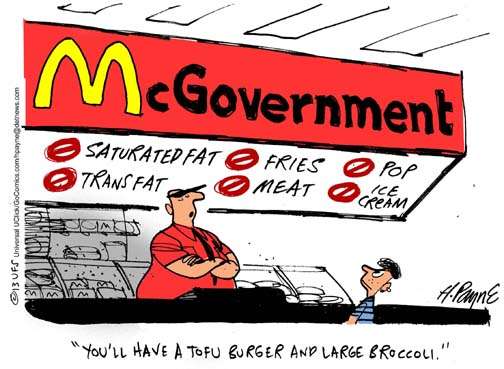
Another labelling fail
Customers overlooking unit pricing
Shoppers are spending more at the checkouts because they are not using unit prices to work out the cheapest brands. Research shows that fewer than 50 per cent of shoppers overseas look at the unit price when buying groceries and experts say the take-up rate in Australia is as low. Unit pricing was introduced here just over a year ago.
[I'd like to see the research behind that 50%. I see lots of people in my local supermarket loading up their carts but it's a rarity to see them stop and read a label. What people say they do and what they actually do can be two different things.]
Gary Mortimer, from QUT's School of Advertising, Marketing and Public Relations, said that with so much information on labels, like price, barcode, size and description, shoppers could be overwhelmed, or simply not have the time to do the maths.
Ian Jarrett, of the Queensland Consumers Association, which has been lobbying for unit prices to be printed in the same type size recommended for packaging labels, said there were big savings to be made.
His survey of prices at one supermarket came up with a trolley full of savings. For example, sultanas in six small packs cost $10.38 a kilo but only $3.79 a kilo if bought in a 1kg bag. A tub of Meadowlea margarine cost 50c for each 100g if bought in a 1kg tub, 70c for each 100g if bought in a 500g tub or 78c in a 250g tub.
But Dr Mortimer said there was a need for caution. "A larger packet may be cheaper per gram than a smaller packet but if you have to pay a higher retail price to start with, it becomes a false economy if you end up wasting half the contents of the larger packet because you simply cannot use it all."
He said it was also important to remember unit pricing did not take into consideration such things as different plies of toilet paper and different concentrations of products such as washing detergents and cordial. "Unit pricing does not capture different densities, concentrations and strengths and these need to be taken into consideration," he said.
Mr Mortimer said different demographics were attracted to unit pricing. "There are some shoppers who think 'I am pretty well paid, I don't need to save money'," he said. "And there are some Gen-Y shoppers, and particularly male shoppers, who think 'I want to get in and get out. I don't have time to look at the different numbers on the ticket'.
"But if you are a mum with three kids from a working-class environment and need to buy 800g or a kilo for lunches for the kids and dad this week and you can wait to be served, you can make a saving."
SOURCE
Speculate, Speculate, Speculate
Medical researchers seem to do little else. The claim below that sunshine lowers MS risk is totally naive. What their results more likely show is that people in poor health don't go out much
The Australian love affair with the great outdoors may have contributed to lower rates of multiple sclerosis (MS), according to research from The Australian National University.
The Ausimmune Study, coordinated by Associate Professor Robyn Lucas from the ANU College of Medicine, Biology and Environment and involving researchers from across Australia, found that people who spend more time in the sun, and those with higher vitamin D levels, may be less likely to develop MS.
MS is a chronic disease of the brain and spinal cord and has long baffled researchers, who continue to search for its cause and cure. This study, published in the February 8 2011, issue of Neurology, the medical journal of the American Academy of Neurology, takes us one step closer to understanding the risk factors that may lead to MS.
Associate Professor Lucas said that many people who experience preliminary symptoms of the sort that occur in MS – known as a ‘first event’ – go on to develop the disease. The Ausimmune Study found that the risk of having a first event was lower in people with higher sun exposure – over the whole of their lives as well as in the months preceding the event, compared with unaffected people of the same age and sex and living in the same region of Australia.
“People with the highest levels of vitamin D were also less likely to have a diagnosed first event than people with the lowest levels,” she said.
The study is the first to look at sun exposure and vitamin D status in people who had experienced a first event with the type of symptoms found in MS.
“Previous studies have looked at people who already have MS,” said Dr Lucas. “This has made it difficult to know whether having the disease led them to change their habits in the sun or their diet. That is, it has not been possible to work out if low sun exposure or vitamin D cause the disease or were caused by having the disease.”
Associate Professor Lucas said that the study showed, for the first time in a human population, that the effects of sun exposure and vitamin D act independently of each other, with each having a beneficial effect in decreasing the risk of a first event.
“Further research should evaluate both sun exposure and vitamin D for the prevention of MS,” she said.
SOURCE
Sunday, February 13, 2011

Saturday, February 12, 2011
A Toxic Bureaucracy
Sam Kazman's "Drug Approvals and Deadly Delays" article in the Journal of American Physicians and Surgeons (Winter 2010), tells a story about how the U.S. Food and Drug Administration's policies have led to the deaths of tens of thousands of Americans. Let's look at how it happens.
During the FDA's drug approval process, it confronts the possibility of two errors. If the FDA approves a drug that turns out to have unanticipated, dangerous side effects, people will suffer. Similarly, if the FDA denies or delays the marketing of a perfectly safe and beneficial drug, people will also suffer. Both errors cause medical harm.
Kazman argues that from a political point of view, there's a huge difference between the errors. People who are injured by incorrectly approved drugs will know that they are victims of FDA mistakes. Their suffering makes headlines. FDA officials face unfavorable publicity and perhaps congressional hearings.
It's an entirely different story for victims of incorrect FDA drug delays or denials. These victims are people who are prevented access to drugs that could have helped them. Their suffering or death is seen as reflecting the state of medicine rather than the status of an FDA drug application. Their doctor simply tells them there's nothing more that can be done to help them.
Beta-blockers reduce the risks of secondary heart attacks and were widely used in Europe during the mid-'70s. The FDA imposed a moratorium on beta-blocker approvals in the U.S. because of the drug's carcinogenicity in animals. Finally, in 1981, FDA approved the first such drug, boasting that it might save up to 17,000 lives per year. That meant as many as 100,000 people might have died from secondary heart attacks waiting for FDA approval.
In the early 1990s, it took the FDA more than three years to approve interleukin-2 as the first therapy for advanced kidney cancer. By the time the FDA approved the drug, it was available in nine European countries. The FDA was worried about the drug's toxicity that resulted in the death of 5 percent of those who took it during testing trials. This concern obscures the fact that metastatic kidney cancer has the effect of killing 100 percent of its victims.
Kazman says that if we estimate that interleukin-2 would have helped 10 percent of those who would otherwise die of kidney cancer, then the FDA's delay might have contributed to the premature deaths of 3,000 people. Kazman asks whether we've seen any photos or news stories of the 3,000 victims of the FDA's interleukin-2 delay or the 100,000 victims of the FDA's beta-blocker delay.
These are the invisible victims of FDA policy. In the 1974 words of FDA commissioner Alexander M. Schmidt: "In all of FDA's history, I am unable to find a single instance where a congressional committee investigated the failure of FDA to approve a new drug. But, the times when hearings have been held to criticize our approval of new drugs have been so frequent that we aren't able to count them. ... The message to FDA staff could not be clearer."
That message is to always err on the side of overcaution where FDA's victims are invisible and the agency is held blameless.
Kazman's day job is general counsel for the Washington, D.C.-based Competitive Enterprise Institute that's done surveys of physicians and their views of the FDA. On approval speed, 61 to 77 percent of physicians surveyed say the FDA approval process is too slow. Seventy-eight percent believe the FDA has hurt their ability to give patients the best care.
But so what? Physicians carry far less weight with the FDA than "public interest" advocates and politicians.
When the FDA announces its approval of a new drug or device, the question that needs to be asked is: If this drug will start saving lives tomorrow, how many people died yesterday waiting for the FDA to act?
SOURCE
Breakthrough treatment for AMD blindness trialled
A new treatment for the most common form of blindness in Britain has been developed by scientists. Researchers discovered that sufferers of AMD (dry age related macular degeneration) have a lack of protective enzyme in the eye that could be why it leads to reduction in eye sight. Drugs that boost this chemical in the eye are to be tested on patients within a year, it was reported in the journal Nature.
More than 500,000 people in Britain suffer from AMD which is caused by the deterioration and death of the cells in the macula, a part of the retina used to see straight ahead. The disease robs sufferers of their sight by creating a black spot in the centre of their vision which slowly gets bigger.
With numbers of AMD sufferers expected to treble in the next 25 years as the population ages, there is an urgent need for a breakthrough.
Scientists at the University of Kentucky found the activity of the enzyme called DICER1 was dramatically reduced in the retina of human donor eyes with the condition. Laboratory experiments on mice also showed this reduced expression was associated with a build-up of a poisonous molecule called Alu RNA that kills cells in the retina.
Dr Jayakrishna Ambati, of the University of Kentucky, and colleagues found DICER1 can shield the retina against the destructive effects of Alu RNA. "When the levels of Dicer decline, the control system is short-circuited and too much Alu RNA accumulates. "This leads to death of the retina."
In developed countries it is estimated that one in fifty people over fifty years of age, and up to one in five people over the age of 85, have AMD.
Currently, there is no reliably proven medical treatment for dry AMD. But not smoking and eating a healthy diet may help to slow the rate of deterioration.
Dr Ambati has created two treatments that could potentially halt the march of the disease. One works by boosting levels of Dicer, the other breaks down the toxic Alu RNA. The University of Kentucky has applied to patent the techniques and the first trials on people could start by the end of this year.
SOURCE
Friday, February 11, 2011
Restaurant nutrition under attack from Mrs. Obama
What makes Mrs Obama an authority on nutrition? Does going to bed with the President give an automatic transfusion of wisdom?
After wrapping her arms around the retail giant Wal-Mart and trying to cajole food makers into producing nutrition labels that are easier to understand, Michelle Obama, the first lady and a healthy-eating advocate, has her sights set on a new target: the nation’s restaurants.
A team of advisers to Mrs. Obama has been holding private talks over the past year with the National Restaurant Association, a trade group, in a bid to get restaurants to adopt her goals of smaller portions and children’s meals that include healthy offerings like carrots, apple slices and milk instead of French fries and soda, according to White House and industry officials.
The discussions are preliminary, and participants say they are nowhere near an agreement like the one Mrs. Obama announced recently with Wal-Mart to lower prices on fruits and vegetables and to reduce the amount of fat, sugar and salt in its foods. But they reveal how assertively she is working to prod the industry to sign on to her agenda.
On Tuesday, Mrs. Obama will begin a three-day publicity blitz to spotlight “Let’s Move!,” her campaign to reduce childhood obesity, which was announced one year ago this week.
She will introduce a public service announcement, appear on the “Today” show and deliver a speech in Atlanta promoting gardening and healthy-eating programs.
But as she uses her public platform to persuade children to eat healthier and exercise more, Mrs. Obama and her team are also quietly pressing the levers of industry and government. Over the past year she has become involved in many aspects of the nation’s dietary habits, exerting her influence over nutrition policy.
Her team has worked with beverage makers to design soda cans with calorie counts and is deeply involved in a major remake of the government’s most recognizable tool for delivering its healthy-eating message: the food pyramid.
Mrs. Obama persuaded Congress to require schools to include more fruits and vegetables in the lunches they offer, and she encouraged lawmakers to require restaurants to print nutrition information on menus, a provision that wound up in President Obama’s landmark health care law.
“They really want a cooperative relationship with the food industry, and they’re looking at industry to come up with ideas,” said Lanette R. Kovachi, corporate dietitian for Subway, the nation’s second-largest restaurant chain in terms of revenue. She said she had taken part in at least four conference calls with Mrs. Obama’s food advisers.
But in seeking partnerships with industry, Mrs. Obama runs a risk. While nutritionists and public health advocates give her high marks for putting healthy eating on the national agenda, many worry that she will be co-opted by companies rushing to embrace her without offering meaningful change.
“Can the food industry play a responsible role in the obesity epidemic? The answer isn’t no,” said Dr. David Ludwig, the director of the Optimal Weight for Life program at Children’s Hospital in Boston. “The point is that the best initiatives can be subverted for special interest, and it’s important to be vigilant when we form partnerships with industry.”
White House officials say Mrs. Obama has believed from the start that bringing industry to the negotiating table is critical to achieving her long-range goal of eliminating childhood obesity within a generation.
SOURCE
Why it's known as reefer madness
I haven't had time enough to track down the research reports underlying the summary below but I note an apparent admission (in red) that pot use is highest at the bottom end of the social class scale. That leaves open the possibility that all the associations with pot use are in fact associations with social class only
CANNABIS is widely used for its perceived positive effects, yet there is a growing scientific consensus that a range of health and social harms are associated with its use, including educational underachievement, higher school dropout rates, impaired driving ability, the abuse of other illicit drugs and the early onset of some mental illnesses. Teenagers are particularly vulnerable.
Now an international study, released this morning, has given us some of the strongest evidence to date of the risks of cannabis on long-term mental health.
Cannabis polarises public opinion like few other substances; some see it as a benign, chilled out alternative to alcohol while others fear it as an illegal gateway drug to heroin addiction.
It is by far the most commonly used illicit drug, with one third of the population reporting that they used cannabis at some time during their lives, including 14 per cent of 12- to 17-year-olds. Almost 10 per cent of Australians used the drug in the past year. But despite varying policies of decriminalisation in many states and territories, it is still illegal to use, possess, grow or sell cannabis in Australia.
No approach to preventing cannabis harm will ever be without controversy, but the best place to start is with public awareness of the facts; those facts drawn from thorough, evidence-based research.
The research, by Matthew Large and colleagues, used improved statistical techniques to find that cannabis use hastens the onset of psychosis among young people by up to 2.7 years, often bringing mental illness forward to coincide with the critical years of adolescent brain development. Interestingly, alcohol use did not have any effect on age of onset.
The study was also able to show that known influences such as gender or age differences between the samples of cannabis and non-cannabis users with psychosis were not responsible for this difference.
The importance of adolescence and early adulthood for brain development has only recently been recognised. This period is characterised by rapid changes in brain growth and connectivity, especially in those parts of the brain responsible for cognitive and social processes. There is evidence that cannabis can disrupt this brain development, which may explain the mechanism responsible for the earlier age at onset of psychosis among adolescent cannabis users. Studies of a particular gene and environmental interaction, that has a critical window in adolescence, are also helping to explain the mechanism behind this finding.
A number of studies have now followed individuals from birth or very early adolescence into adulthood. Any cannabis use increases the risk of experiencing psychosis by about 40 per cent and regular use doubles this risk. Using cannabis in early adolescence increases the risk even further. The earlier onset of psychosis is also associated with a poorer lifelong prognosis, as is continued cannabis use.
A lesser recognised consequence is the effect of cannabis on educational attainment. A recent study combining three large Australian and New Zealand studies found high school dropout rates would fall by 17 per cent with no cannabis use. Possible reasons for this robust association may be that the early use of cannabis sets in train biological, individual or social processes which undermine motivation, learning or commitment to school, independent of other influences on attitudes to education.
These findings combine to produce further evidence that avoiding cannabis use, particularly in adolescence, can both significantly delay the onset of psychosis and improve educational outcomes.
Public awareness of the significant risks associated with adolescent cannabis use is critical in reducing the burdens of psychotic disorders and underachievement, and their costs to individuals, families and communities.
Happily, Australia has experienced a decline in overall cannabis use since a peak in 1998. The rates of regular and heavy cannabis use among marginalised members of the community, however, are unchanged or increasing.
This means public awareness campaigns and support services should urgently prioritise young people experiencing socioeconomic disadvantage or within the criminal justice system, Aboriginal and Torres Strait Islanders, and people with a family history of mental illness; groups that are already vulnerable.
To even begin to answer the most fundamental questions about how to best to communicate this information and, more importantly, how to influence behaviour, the real risks of use need to be widely understood. This latest research sends us a clear message about avoiding use, particularly for teens.
Like alcohol, which is also widely used at considerable personal and public cost, cannabis, too, is an urgent, public health priority.
SOURCE
Thursday, February 10, 2011
Smoking harms mental health but quitters arrest decline, study finds
This study seems methodologically sound
SMOKING accelerates mental decline and damages parts of the brain linked to dementia, an Australian study has found. But there is good news for long-term smokers: quitting reverses the harmful effects on the brain.
The study assessed brain function using standard performance tests, matching the results to brain scans in 229 elderly smokers who were trying to give up and 98 non-smokers.
The research, repeated at six-monthly intervals for two years, was the first in the world to track changes in smokers' mental performance over a lengthy period.
It found the smokers, who were aged 68 and over, lost a disproportionate number of brain cells in regions important for memory and active thinking. "For the first time it shows what we see with our memory tests is confirmed by changes in the brain," said Osvaldo Almeida, professor of geriatric psychiatry at the University of Western Australia.
The smokers who failed to quit slid into mental decline twice as fast as non-smokers, but "those who quit, don't decline faster than those who never smoked", said Professor Almeida, a consultant at the Royal Perth Hospital where the patients were recruited.
"It's a good thing for your brain to quit," he said. "People who stop smoking, in terms of memory and cognitive function, do as well as people who never smoked."
While the quitters did show some grey matter loss 18 months after giving up, Professor Almeida said the damage was not significant and not in brain regions significant to cognitive impairment.
"The study suggests even later in life, if people stop smoking, it will have a positive effect on their brains," he said. The results, published in the journal NeuroImage, meant action could be taken to reduce the burden of Alzheimer's disease without waiting for a "magic pill".
"If people understand that smoking is an important risk factor … that contributes to progressive intellectual decline, this would hopefully reduce the burden of dementia in Australia."
Professor Almeida plans to continue testing participants at five-year intervals.
Kaarin Anstey, director of the dementia collaborative research centre at the Australian National University, said: "Before, people might have thought, 'it's too late for me … there's no point in me giving up because the damage is already done'. There's a very positive message in this research showing it's never too late and these quitters are getting a benefit, even in their 70s."
SOURCE
Australia: Useless health regulators
If people knew they were on their own they might be more cautious -- but they have the illusion of being protected by government regulation
The Therapeutic Goods Administration is calling for submissions as to how it can improve its transparency. Which is not before time, given that a recent spot check of 400 so-called alternative medicine products found that nine out of 10 breached TGA regulations.
I decided to put my own two bobs' worth in. In the interests of transparency, I reproduce an edited version of my own submission to the review here. It's not as good as the more detailed submissions from Choice magazine and the Consumers Health Forum of Australia, but I found writing it to be, well, therapeutic. I wrote:
What do you think? Do you think the TGA should do more to tell consumers that there is no evidence to support many of the remedies being sold in pharmacies, supermarkets and health-food stores? Do you think people who want to sell alternative remedies should have to prove that they work before they can be approved for sale? Submissions to the TGA review close tomorrow, by the way.
SOURCE
This study seems methodologically sound
SMOKING accelerates mental decline and damages parts of the brain linked to dementia, an Australian study has found. But there is good news for long-term smokers: quitting reverses the harmful effects on the brain.
The study assessed brain function using standard performance tests, matching the results to brain scans in 229 elderly smokers who were trying to give up and 98 non-smokers.
The research, repeated at six-monthly intervals for two years, was the first in the world to track changes in smokers' mental performance over a lengthy period.
It found the smokers, who were aged 68 and over, lost a disproportionate number of brain cells in regions important for memory and active thinking. "For the first time it shows what we see with our memory tests is confirmed by changes in the brain," said Osvaldo Almeida, professor of geriatric psychiatry at the University of Western Australia.
The smokers who failed to quit slid into mental decline twice as fast as non-smokers, but "those who quit, don't decline faster than those who never smoked", said Professor Almeida, a consultant at the Royal Perth Hospital where the patients were recruited.
"It's a good thing for your brain to quit," he said. "People who stop smoking, in terms of memory and cognitive function, do as well as people who never smoked."
While the quitters did show some grey matter loss 18 months after giving up, Professor Almeida said the damage was not significant and not in brain regions significant to cognitive impairment.
"The study suggests even later in life, if people stop smoking, it will have a positive effect on their brains," he said. The results, published in the journal NeuroImage, meant action could be taken to reduce the burden of Alzheimer's disease without waiting for a "magic pill".
"If people understand that smoking is an important risk factor … that contributes to progressive intellectual decline, this would hopefully reduce the burden of dementia in Australia."
Professor Almeida plans to continue testing participants at five-year intervals.
Kaarin Anstey, director of the dementia collaborative research centre at the Australian National University, said: "Before, people might have thought, 'it's too late for me … there's no point in me giving up because the damage is already done'. There's a very positive message in this research showing it's never too late and these quitters are getting a benefit, even in their 70s."
SOURCE
Australia: Useless health regulators
If people knew they were on their own they might be more cautious -- but they have the illusion of being protected by government regulation
The Therapeutic Goods Administration is calling for submissions as to how it can improve its transparency. Which is not before time, given that a recent spot check of 400 so-called alternative medicine products found that nine out of 10 breached TGA regulations.
I decided to put my own two bobs' worth in. In the interests of transparency, I reproduce an edited version of my own submission to the review here. It's not as good as the more detailed submissions from Choice magazine and the Consumers Health Forum of Australia, but I found writing it to be, well, therapeutic. I wrote:
At the moment the TGA appears to operate as a rubber stamp for health fraud. It beggars belief that the "Aust L" "self-assessment" system allows people to sell untested products for medicinal use without having to provide so much as a jot of evidence for their efficacy.
The fact that a recent spot check found that 90 per cent of so-called complementary and alternative medicine products do not comply with regulations shows that the system is broken.
To help with transparency:
* All "Aust L" listed products should carry a warning box stating something to the effect of "The makers of this product have shown zero evidence that this product works for any disease or condition or that it can improve your general health or wellbeing."
Products that are known to be scientifically implausible should be labelled as such. The labelling should explain that scientific implausibility doesn't mean that "it works but we don't know how"; that it means "it can't possibly work as claimed unless much of our accumulated knowledge of physics, chemistry and physiology is completely wrong".
* The complaints process should not be so completely opaque. Some weeks ago I used the TGA's online complaints submission to submit a complaint (about the sale of colloidal silver for human consumption and the treatment of serious diseases in what seems a clear breach of the Therapeutic Goods Act). When I called to check up on the complaint a week later I was told it had never arrived so I had to re-submit it by email. Complaints submitted online should get a receipt number, like you do when you pay a bill online.
* People who make complaints should be informed of the result of the investigation - if indeed any investigation takes place. I have no idea whether my complaint will be investigated, and I get the impression that I will never find out unless I keep hassling people to check up on it.
* The TGA should be issuing a hell of a lot more advisories. The list of advisories is very short and threadbare. For instance, there is only one mention of homeopathic "immunisations" - a warning from 2002 not to use homeopathic "vaccines" for meningococcal disease. There is no warning about homeopaths selling useless "immunisations" for other diseases (including whooping cough, a serious respiratory infection that has been killing Australian children again in recent years). Also, there are no warnings about colloidal silver, ear candling and countless other things on which Australians are wasting their money and risking their health every day.
* There should be real consequences for breaching the Act. As long as the manufacturers and retailers of alternative nostrums feel free to scoff at the TGA they will continue to put people's health at risk.
What do you think? Do you think the TGA should do more to tell consumers that there is no evidence to support many of the remedies being sold in pharmacies, supermarkets and health-food stores? Do you think people who want to sell alternative remedies should have to prove that they work before they can be approved for sale? Submissions to the TGA review close tomorrow, by the way.
SOURCE
Wednesday, February 09, 2011
Study links junk food to lower IQ
Predictable rubbish. Without control for parental IQ it is meaningless. High IQ people might well have different diets. The journal article is: "Are dietary patterns in childhood associated with IQ at 8 years of age? A population-based cohort study". See also here
TODDLERS who have a diet high in processed foods may have a slightly lower IQ in later life, according to a British study described as the biggest research of its kind.
The conclusion comes from a long-term investigation into 14,000 people born in western England in 1991 and 1992 whose health and wellbeing were monitored at the ages of three, four, seven and eight and a half.
Parents of the children were asked to fill out questionnaires that, among other things, detailed the kind of food and drink their children consumed.
Three dietary patterns emerged: one was high in processed fats and sugar; then there was a "traditional" diet high in meat and vegetables; and finally a "health-conscious" diet with lots of salad, fruit and vegetables, pasta and rice.
When the children were eight and a half, their IQ was measured using a standard tool called the Wechsler Intelligence Scale.
Of the 4000 children for which there were complete data, there was a significant difference in IQ among those who had had the "processed" as opposed to the "health-conscious" diets in early childhood.
The 20 per cent of children who ate the most processed food had an average IQ of 101 points, compared with 106 for the 20 per cent of children who ate the most "health-conscious" food.
"It's a very small difference, it's not a vast difference," said one of the authors, Pauline Emmett of the School of Social and Community Medicine at the University of Bristol. "But it does make them less able to cope with education, less able to cope with some of the things in life."
The association between IQ and nutrition is a strongly debated issue because it can be skewed by many factors, including economic and social background. A middle-class family, for instance, may arguably be more keen (or more financially able) to put a healthier meal on the table, or be pushier about stimulating their child, compared to a poorer household.
Dr Emmett said the team took special care to filter out such confounders. "We have controlled for maternal education, for maternal social class, age, whether they live in council housing, life events, anything going wrong, the home environment, with books and use of television and things like that," she said.
The size of the study, too, was unprecedented. "It's a huge sample, it's much much bigger than anything anyone else has done," she said in an interview with AFP.
Dr Emmett said further work was needed to see whether this apparent impact on IQ persisted as the children got older.
Asked why junk food had such an effect, she suggested a diet that was preponderantly processed could lack vital vitamins and elements for cerebral development at a key stage in early childhood. "A junk food diet is not conducive to good brain development," she said.
The paper appears in the peer-reviewed Journal of Epidemiology and Community Health, published by the British Medical Association.
SOURCE
Testosterone in womb linked to autism risk
This is pure speculation. They had NO DATA on testosterone!
PERTH researchers have uncovered further evidence of a link between testosterone and autism, backing a theory that high testosterone exposure in the womb increases the risk of the disorder.
Researchers at Fiona Stanley's Telethon Institute for Child Health Research found that girls with autistic-like behaviours at age two had their first period about six months later than girls without the disorder's symptoms, The Australian reports.
"These findings indicate that exposure to testosterone in the womb may be regulating both autism-like behaviours and the age of first period and that this may play a role in clinical autism," lead researcher Andrew Whitehouse said.
He said the findings were linked to the so-called "male brain theory" of autism, which suggests the behaviour disorder is an extreme form of male mental traits.
"Autism is a real male-dominated condition; it affects around four males to one female, but there are also characteristics of people with autism that are more male-like," he said. "People have started thinking what might cause that, and the obvious candidate is male-type hormones and the most biologically active is testosterone."
The study looked at 383 girls who had no diagnosis of autism. At age two they were each given a rating for showing autistic-like behaviours such as avoiding looking people in the eye.
SOURCE
Tuesday, February 08, 2011
Even "junk" food can provide your daily dose of vitamins
The mountain of food surrounding me would send shivers up the spine of any right-thinking foodie. On my kitchen table sits an awesome pile of junk: frozen pizzas, long-life naan breads, industrial cheese, instant mashed potato, chocolate, peanuts and burgers, all of it amounting to four times my usual daily calories.
A diet made up solely of this stuff could, in the long-term, endanger your health by sheer volume of fat, salt and sugar. But it also has something very important going for it: this mountain of junk contains your entire Recommended Daily Allowance (RDA) of the 18 vitamins and minerals your body needs.
We’ve all seen RDAs on cereal packets and vitamin-supplement bottles, listing substances such as iron, niacin and pantothenic acid. If you’re anything like me, you’ve felt a warm glow of smugness when you’ve read on the side of your Cheerios that ‘one 30g serving provides 25 per cent of your RDA of riboflavin’. How lovely, we think — until it dawns on us that we have no idea a) what riboflavin is, b) what it’s for and c) what other food we’d find it in.
So, many of us throw money at the problem in the form of expensive multivitamin pills in a desperate attempt to hit our RDAs, which is why the supplement industry in the UK is worth £396 million a year.
But do we really need RDAs? I set out to investigate what they mean, and whether it’s really possible to hit these nutritional targets with daily diet.
It turns out that RDAs are of questionable use, and have largely ended up as a way for food manufacturers to boost sales. And incredibly, you can get all your RDAs from junk food — as illustrated by the U.S. study, out this week, that found dark chocolate contained more antioxidants and healthy plant compounds than fruit juice.
RDAs were first cooked up in the darkest days of World War II by U.S. doctors who wanted to know the minimum rations their servicemen could live on while based in England, preparing for D-Day. Food was shipped over in convoys braving the U-boat infested Atlantic, so it was imperative sailors’ lives were not risked unnecessarily.
At the end of the Forties, British doctors went a step further, concocting an average required intake of vitamins to maintain daily health based on post-war rationing.
Since then, the guidelines have been reviewed several times. They were formalised by the European Commission in 1991, but in the same year the Department of Health replaced them with a much more comprehensive but slightly baffling system that uses DRVs (Dietary Reference Values), which give recommendations based on age, sex and health.
But it’s RDAs that are still used on the side of your cereal packet — even though all those percentages and milligrams are outdated and, for many people, completely misleading. For instance, a healthy male adult needs eight times more iron than a three-month-old baby (and an iron overdose can kill).
I asked Nestle, who make my Cheerios why they still include RDAs on their packaging, but they failed to respond before going to press. But, I hear you cry, RDAs are on food labels because they’re legally required, so surely they must be right?
When I contacted the Food and Drink Federation about this, they said it’s only if food manufacturers state the amount of vitamins and minerals on the packaging that they’re legally required to provide them as a percentage of the RDAs. RDAs are actually compulsory only for a limited range of products such as supplements and infant formula, says Peter Berry Ottaway, a leading British consultant in food sciences for more than 30 years. ‘Major supermarket groups have been forcing suppliers to put labelling on everything, as they believe that it improves sales,’ he adds.
So how much notice should we take of RDAs?
After I had chased various different agencies, the Department of Health finally responded to my questions. Basically, RDAs do exist, but officially we don’t really use them any more.
It’s all very confusing — there’s no easy-to-access information that the public can find. Official dietary advice tells us that we should be able to get all our vitamins and minerals from a healthy diet and shouldn’t need supplements.
I wanted to find out if it’s really possible to eat my full wallop of RDAs — not just from the oyster and guava fantasy diets dreamt up by advertising executives, but from the food real people like you and me eat when we’re busy, tired at the end of a long day, or desperate for a snack. Which is why I find myself heading for Morrisons in North London to buy my RDA.
One of the first things I discover is that many of these vitamins and minerals can be pretty tricky to get from a normal, healthy diet. For example, I’d have to eat 14 large portions of peas to get my daily intake of magnesium — or 300g of dark chocolate. Hmm, I know which one I think I can manage.
You can get your full dose of vitamin C from two-and-a-half portions of chips — or one-and-a-quarter bags of watercress. In fact, the junk food often has a gratifying amount of good stuff.
Once home, I begin my challenge with lunch, cracking open my pint of Guinness (for my full RDA of vitamin B12).
Next, I start work on two portions of breaded haddock (for my phosphorus RDA) and two-thirds of a pizza (the dough gives me my full dose of calcium). I also have my first of the day’s Burger King Whoppers (iron) and a large portion of spinach (folic acid).
Still feeling full, I sit down to tea. Two-and-a-half slices of Victoria sponge (vitamin D), a pint of milk (riboflavin) and a thick sarnie of salmon paste (iodine) later, I’m feeling listless and slovenly.
At supper, I plod through four naan breads (vitamin E) and four scoops of instant mash (fortified with vitamin C) as my two young daughters watch in awe. This turns to irritation as I refuse to let them help me with three bars of dark chocolate (magnesium).
I put three tablespoons of cream cheese (vitamin A) into the remaining one-and-a-half Whoppers. A slice of liver gives me a tasty whack of zinc, and I wash it all down with a nice cup of Bovril (thiamin). I snack on six bananas for my vitamin B6 (one vitamin it’s hard to find in junk food) as I watch a movie, and by 11pm I think I’ve made it — an hour early.
But then I spot a large pack of roasted peanuts I’d forgotten. I’m tempted to skip them until I realise I have to eat them for the biotin, pantothenic acid and niacin. A shade before midnight, I raise my arms in a silent cheer: I’ve done it!
The next morning, as I sat down to write up the whole sorry episode, I felt pain, shame, lethargy and a fair amount of flatulence. But on the positive side, I have been enlightened. The extraordinary thing about my day’s diet was not just that I had managed to eat my entire RDA of all 18 vitamins and minerals, but that those nutrients came from unlikely sources.
Nutritionists may dismiss convenience food and naughty snacks as rubbish food with ‘empty calories’, but that’s often not the case. As it turns out, loads of foods have lurking goodness, even though they also have high concentrations of fat, salt or sugar.
So should we ignore RDAs? Yes. If looking at the side of your cereal packet makes you feel happy, that’s great, but, weirdly, a good chunk of our minerals and vitamins can be in ‘junk food’ — so a bag of chips can be part of a well-balanced diet.
As for supplements, it may be useful to take notice of RDAs if you’re pregnant, sick or elderly, but unless your doctor says you need them, don’t throw your money away. Spend it on better food, instead.
Now, I don’t want people to eat more burgers and chips than they already do, considering obesity levels. But I’m also wary of the nutritional Nazis who try to spread fear and guilt, while flogging expensive nuts, snake oil and supplements.
A good diet is one that covers a broad range of food groups, doesn’t make you overweight, and makes you happy. So eat well and broadly and certainly don’t take too much notice of RDAs — they’re all going to change again in November.
SOURCE
Homosexuals to be immunized against anal cancer
The immunisation program that protects girls against the virus linked to cervical cancer should immediately be extended to boys to prevent other cancers, a leading epidemiologist says.
Vaccinating boys against the human papillomavirus (HPV) would help stem a drastic rise in some cancers, particularly among homosexual men, said Andrew Grulich, the head of the epidemiology and prevention program at the National Centre in HIV Epidemiology and Clinical Research at the University of NSW.
The Pharmaceutical Benefits Advisory Committee will consider next month an application to provide the Gardasil vaccine free to boys.
About 90 per cent of all anal squamous cell carcinomas are caused by infection with HPV. But an unwillingness to discuss the disease had led to a lack of awareness and research, said Professor Grulich, the senior investigator on the project.
Anal cancer had increased by about 3.4 per cent annually in men and 1.9 per cent in women since 1982, according to the study published in the journal Vaccine.
Unpublished research by Professor Grulich and his team indicated that in some inner-city suburbs the rate of anal cancer was up to 30 times higher than in the general population.
He said the federal government should immediately include boys in its free HPV vaccination program. "But we do have to recognise that even if we do that, just as it is for women, it could be 20 to 40 years before the maximum benefit is obtained," he said.
He was developing a screening program to detect the early signs of problems caused by HPV.
Anal cancer linked to HPV infection occurred most commonly among women, many of whom said they did not have anal sex, Professor Grulich said.
SOURCE
Monday, February 07, 2011
Some babies' brains damaged by mothballs
So they want to ban a very common and very effective household precaution. Why do we all have to suffer for the benefit of a few? Should not the at-risk groups be responsible for avoiding whatever is harmful to them? And whatever the do-gooders suggest in place of napthalene will undoubtedly be found to be also problematical eventually (as with trans fats). I'm going to stock up on mothballs. I have been using them to good effect for decades
EXPERTS have called for a ban on the sale of mothballs containing the chemical naphthalene, warning that they pose a risk of severe blood problems and even brain damage for significant numbers of Australian babies.
About 5 per cent of Australians of Asian, African, Middle Eastern or Mediterranean descent have an inherited enzyme deficiency, and affected babies can suffer blood-cell breakdown if placed too close to fabrics stored with naphthalene mothballs.
In severe cases this causes jaundice and the yellow pigment linked to jaundice, called bilirubin, can build up in the brain. This causes a condition called kernicterus, triggering neurological problems and sometimes brain damage, The Australian reports.
Australians of predominantly Anglo-Saxon or indigenous background are less commonly affected, but naphthalene can also cause red cell breakdown in those without the G6PD deficiency.
In a letter to the Medical Journal of Australia published today, three pediatric experts from Sydney and one from Christchurch say at least three babies suffered from the brain complications in the past three years. One of them died.
William Tarnow-Mordi, director of the Westmead International Network for Neonatal Education and Research at the University of Sydney, said affected babies could develop massive breakdown of their red blood cells within hours of being wrapped in clothing stored with mothballs containing naphthalene.
"The lifetime costs of caring for a baby with kernicterus are many millions of dollars," Professor Tarnow-Mordi said.
The European Union banned the supply of naphthalene products in 2008, and Professor Tarnow-Mordi said he and other experts were working with the Australian Pesticides and Veterinary Medicines Authority to see whether similar action should be taken in Australia.
"Health authorities in Australia already inform parents about the dangers of mothballs with naphthalene. Without further measures, more babies could sustain brain damage or die," he said. "A total ban on mothballs with naphthalene may now be the safest course."
SOURCE
A gene protects some U.S. blacks from heart disease
Some black Americans have a gene that protects them from heart disease, researchers said on Thursday. About a quarter of African-Americans carry the protective gene, and if they are lucky enough to have two copies, one from each parent, their risk of heart disease is 10 times lower that of other blacks.
People with just one copy have five times lower the risk of heart attacks, blocked arteries and other symptoms of heart disease, the team reported in the Journal of Human Genetics.
"What we think we have here is the first confirmed hereditary link to cardiovascular disease among African-Americans and it is a protective one," Diane Becker of Johns Hopkins University in Baltimore said in a statement.
The same gene has been studied in people from Japan, South Korea, Europe and elsewhere but not in black people. In fact, few such genetic studies have been done in blacks at all, the researchers said.
The gene is called CDKN2B, and certain mutations raise the risk of heart disease. For instance, Swedish people with one version of the gene were more likely to have strokes if they also had high blood pressure.
Becker's team studied 548 healthy African-American brothers or sisters of people with documented heart disease. They had their genes sequenced and were followed for 17 years.
The researchers noticed a certain type of mutation called a single nucleotide polymorphism, SNP (pronounced "snip") for short, on a gene that had been linked to heart disease in studies of people in Korea, Italy and elsewhere. About 25 percent of the volunteers in Becker's study had this protective version of the gene, and 6 percent had two copies.
Becker's team said when genetic tests became more common it might be worth testing blacks for which version of the gene they have, so those without the protective mutation could be more closely monitored for heart disease, the No. 1 killer in the United States and most other developed countries.
It is becoming more common to use ethnic origin to define disease risks. In 2005, Nitromed Inc. got U.S. Food and Drug Administration approval to market its heart drug BiDil specifically to blacks after it was shown to benefit African-Americans more than whites.
Studies have shown that African-Americans are less likely than whites to be prescribed heart drugs or receive bypass surgery, although blacks have an overall greater risk of heart disease than whites.
SOURCE
Sunday, February 06, 2011
Milk Fascists in Australia too
Why can't the do-gooders let people take their own risks if they want to? I drank raw milk for a time in my childhood with no visible ill-effects. It did taste better. Most of us kids got TB from it but hardly noticed. We were all healthy country kids so it was just another childhood illness akin to flu which came and quickly went -- leaving us immunized against TB for the rest of our lives. The milk was a very pleasant vaccine.
Dairy inspection standards are now however much stricter than the negligible ones of my far-off childhood so any infection these days is a tiny risk -- and we all take risks
The thirst for raw milk straight from the cow's udder has created a clandestine market among consumers who say it is healthier and tastes better. However, food authorities are determined to stamp out what they say is a highly dangerous and illegal practice.
Peter Melov, of Bondi, was recently fined $53,000 for selling raw milk and raw-milk products through a now-defunct organisation, Global Sov. The products were sold online and at an organic food market in Bondi Junction. "Everyone was coming in asking us for raw milk, and a few shops in Bondi had it, so I thought 'I'll just sell it'," Mr Melov said.
Selling unpasteurised milk and cheese for human consumption is illegal, but it is available to buy under names like "bath milk" in certain health-food shops and markets. The Sun-Herald understands some raw-milk aficionados have exploited this apparent loophole, buying "bath milk" for drinking. Primary Industries Minister Steve Whan said companies selling raw-milk products were putting lives at risk. "There is sound scientific evidence pointing to the risks associated with consuming raw milk," he said.
Mr Melov, who was found guilty in Downing Centre Local Court of 43 breaches of the Food Act, said he had received no complaints from customers, and the NSW Food Authority had not warned him that he was doing anything wrong. He would not risk selling raw milk again, he said. "It was like we had been dealing drugs. "If we had just got a phone call, we would have complied completely with the Food Authority."
Medical microbiologist Dr Vitali Sintchenko, of Westmead Hospital, said there were sound reasons why selling raw milk was banned. "There are potential pathogens and toxins present in raw milk that can be life-threatening," he said.
Cheesemaker Will Studd has advocated changes to the legislation banning raw milk. "If we have such a healthy dairy industry, what is everybody so concerned about?" he asked. "Why aren't consumers allowed to enjoy milk in its natural state?" With the right regulation, there would not be any alarm about consuming raw milk and its products, he argued.
Fellow cheesemaker Franck Beaurain does not think it is necessary to relax existing regulations. "I really believe you can do a good job with pasteurised milk. I can't say it [raw milk] tastes better than pasteurised."
SOURCE
Low energy lightbulbs 'could harm 40,000'
Low energy light bulbs could exacerbate the health conditions of up to 40,000 people across Britain, a minister has said. Anne Milton, the public health minister, made the admission after Labour MP Mark Tami asked if the Department of Health had made an assessment of their effects on people with sensitive eye conditions.
Mrs Milton referred to a report by the European Commission's Scientific Committee on Emerging and Newly Identified Health Risks (SCENIHR), which found up to 250,000 people across the EU with certain eye, photosensitive and neurological conditions could be at risk. She said: "Firm figures for the United Kingdom are not available, but the SCENIHR statistics would equate to around 30,000 to 40,000 people that might be affected in the UK."
A 2008 review by the Health Protection Agency warned of the ultra-violet rays emitted by compact fluorescent lamps (CFLs), and the flickering nature of the light they gave off. The former can trigger rashes in a small number of people as well as lupus, an autoimmune disease whose symptoms include fatigue and joint pain. The latter can induce eye pain and could even increase the incidence of repetitive behaviour in autistic people.
Mrs Milton added: "The Department is continuing to work with the HPA, patient groups, clinicians and the lighting industry to keep the health issues under review." [Good of them!]
SOURCE
Saturday, February 05, 2011
Food campaigners face fury over sick spoof of Al Qaeda video in which Ronald McDonald is 'held hostage'
Campaigners for ethically-produced food provoked fury today by releasing an Al Qaeda-style spoof video in which they are seen holding Ronald McDonald hostage.
Five members of the Finnish group, who call themselves the Food Liberation Army, are seen in black balaclavas with the fictional McDonald's figurehead distinctive in the foreground, despite wearing a hood.
The spokesperson threatens to execute the character if the fast food chain refuses to answer questions about how it produces its products.
McDonalds told MailOnline today that the stunt was irresponsible and 'in very poor taste'. It also denied the campaign group's suggestion that it was attempting to hide details about its food quality and manufacturing processes.
A spokeswoman said: 'McDonald’s is always available to engage in constructive conversations with our customers, stakeholders and the media. 'This stunt is in very poor taste and not a responsible approach to meaningful dialogue. 'Meanwhile, we are focused on our customers and are fully transparent about our high quality food and industry-leading standards and practices.'
The video sees the FLA demand that McDonalds release information about its manufacturing process, and the additives used in its product. The campaign group also asks why McDonalds will not release figures detailing how much unrecycled waste it produces each year.
Speaking in Finnish, with an English translation running across the bottom of the screen, the spokesperson says: 'We are a Food Liberation Army, and we hope that this extreme action will take us towards a better and safer food future.
SOURCE
Bone drug 'could give you another five years of life'
Highly speculative. With only 35 men and 106 women on biophosphonates and no attempt at sampling, this could very easily be a rogue result. See the comments in the last paragraph below. Journal article here
A drug taken by hundreds of thousands of women for osteoporosis could extend life by up to five years, scientists claim. Bisphosphonates – the most commonly prescribed treatments for the bone-thinning disease – have been shown to reduce death rates by as much as 80 per cent among those over 75.
Researchers believe they could extend an elderly person’s life by around five years. They suspect that the powerful drugs, which prevent the loss of bone, may also reduce the levels of toxic substances in the body which can cause cancer, high blood pressure and other illnesses.
Around 553,000 patients in Britain are currently taking bisphosphonates, which are sold under brand names such as Actonel, Reclast and Boniva. The majority are prescribed to post-menopausal women suffering from osteoporosis, but they are also used to treat those with arthritis and certain types of cancer.
Scientists in Australia looked at 2,000 volunteers over the age of 70, including 121 who had been taking bisphosphonates for an average of three years. They found that after five years the death rate among those who had been taking the drugs was 80 per cent lower than average.
The scientists believe that by reducing bone loss, the drugs may be preventing the release of toxic substances such as lead into the blood. Lead gradually accumulates in the body from petrol and paint on walls and is stored in the bones for decades. But when the bones break down and it is released into the bloodstream it can be harmful and has been linked to high blood pressure, kidney disease and memory loss.
The study, published in the Journal of Clinical Endocrinology and Metabolism, also suggests that the bones store another toxic chemical, cadmium – naturally found in soils – which has been linked to lung cancer.
Associate Professor Jacqueline Center, from the Garvan Institute of Medical Research in Sydney, said: ‘While the results seemed surprisingly good, they are borne out by the data – within the limitations of any study – and appear to apply to men as well as women.’
But others were sceptical of the findings as the study only involved a small number of participants. A spokesman for Arthritis Research UK, which represents a number of patients prescribed the drug for bone-thinning, said: ‘It was quite a small study, and much bigger randomised controlled trials have not shown that bisphosphonates extend lifespan.’
SOURCE
Friday, February 04, 2011
"Healthy" lifestyle 'would prevent 79,000 cancers a year' (?)
The WCRF publicity machine hard at work again in the report below. Their "estimates" are based on an uncritical acceptance of epidemiological claims -- all of which become moot under close examination. The WCRF is just a donation-fed private club that needs to keep making scary announcements to get donations -- a lot like the SPLC
Almost 80,000 cancers could be prevented in Britain every year if everybody followed a healthy lifestyle, the World Cancer Research Fund (WCRF) has estimated.
Breast and bowel cases could be almost cut in half, with respective reductions of 42 and 43 per cent, the charity has calculated.
The changes would involve people taking regular exercise - such as walking for half an hour a day - maintaining a healthy weight and eating a healthy diet.
Studies have consistently found relatively few people recognise that taking such measures can cut the risk of a range of cancers.
Professor Martin Wiseman, medical and scientific adviser for the WCRF, said: "It is distressing that even in 2011 people are dying unnecessarily from cancers that could be prevented through maintaining a healthy weight, diet, physical activity and other lifestyle factors. "We still a have chance to avert a big increase in cancer cases in the UK, so we urge the public and the Government to make cancer prevention a public health priority."
The estimate that 79,000 cancers could be prevented nationwide, wase released to mark World Cancer Day.
Every year almost 300,000 cancers are diagnosed in Britain, according to the Office for National Statistics. Cancers kill more than 150,000 people a year, making it the second biggest killer after heart disease.
SOURCE
Junk food companies told British Government wants to avoid 'intrusive' laws
The Health Secretary has told junk food manufacturers he wants to avoid "intrusive, restrictive and costly regulation". Andrew Lansley said to senior executives from companies including Mars and PepsiCo that ministers were not interested in "nannying" people about their food choices.
His comments come despite criticism of the Government’s decision to roll back spending on the Change4Life health campaign, in favour of getting commercial companies and charities to fill the gap. Cadbury, Unilever, Coca-Cola, Kellogg's, Kraft, Mars, Nestle and PepsiCo have all been involved, alongside Britvic and supermarket giant Tesco.
At a public health debate held by The Grocer trade magazine on Wednesday, Mr Lansley said there had been an imbalance in health policy for years, with "big state dominating over big society". Now there needed to be a "wide range" of interventions to achieve improved health - regulation was just one option.
Mr Lansley said he would not be "scared" to use industry to achieve public health and commercial aims, because companies could reach consumers in a way ministers could not. He added: “Hopefully there will be no need for intrusive, restrictive and costly regulation.”
The Health Secretary also admitted he himself falls outside the healthy weight range. "I know that I'm overweight," he said. "I know that I should have a BMI of 25 and I'm a BMI of 28."
Tam Fry, of the National Obesity Forum, said: "Mr Lansley's reassurance to junk food manufacturers beggars belief. "As Health Secretary, his duty is to reassure the public that the food we are asked to choose from is as healthy as it can be.”
Jacqui Schneider, of the Children’s Food Campaign, added: “There’s absolutely no evidence that industry – which has a vested interest – is able to bring about a change in people’s behaviour.”
SOURCE
Thursday, February 03, 2011
How coffee can boost the brainpower of women... but scrambles men's thinking
The heading above reflects the heading of the academic journal article concerned but is a poor reflection of the journal abstract, which follows:
"We tested whether increased caffeine consumption exacerbates stress and disrupts team performance, and we explored whether “tend and befriend” characterizes women's coping. We gave decaffeinated coffees, half of which contained added caffeine, to coffee drinkers in same-sex, same-aged dyads. We measured individual cognitive appraisals, emotional feelings, bodily symptoms, coping, and performance evaluations, together with dyad memory, psychomotor performance, and negotiation skills under higher or lower stressful conditions. Evidence consistent with the first hypothesis was weak, but we found that women performed better than did men on collaborative tasks under stress, provided caffeine had been consumed. The usefulness of multi component, cognitive-relational approaches to studying the effects of caffeine on stress is discussed, together with special implications of the effects for men"
It would appear that the authors have over-interpreted their results. What they found was that women were better at collaborative tasks, which is not big news, given the female specialization in socio-emotional relationships. What is interesting is that women needed caffeine to bring out their greater abilities in that respect. One would have thought that they would be superior with or without caffeine. I suspect poor experimental design -- unrepresentative sampling etc. There is no obvious reason why caffeine should affect men and women differently
Next time you have a high-pressure meeting at work, keep an eye on what goes into your colleagues’ cups. Drinking coffee improves women’s brainpower in stressful situations – but sends men into meltdown, according to a study. While sipping a cappuccino or downing an espresso boosts women’s performance when working with others, the same drinks impair men’s memories and slow their decision-making.
And given that Britons get through some 70million cups of coffee a day, the implications are significant, say the researchers.
Psychologist Dr Lindsay St Claire said: ‘Many meetings, including those at which military and other decisions are made, are likely to be male-dominated.
‘Because caffeine is the most widely consumed drug in the world, the global implications are potentially staggering.’
The researchers, from Bristol University, wanted to examine what coffee does to the body when it is already under stress, such as during a tense meeting.
They recruited 64 men and women and put them in same-sex pairs. Each pair was given a range of tasks to complete, including carrying out negotiations, completing puzzles and tackling memory challenges, and told they would have to give a public presentation relating to their tasks afterwards. Half of the pairs were given decaffeinated coffee, while the others were handed a cup containing a large shot of caffeine.
The researchers found that men’s performance in memory tests was ‘greatly impaired’ if they drank the caffeinated coffee. They also took an average of 20 seconds longer to complete the puzzles than those on the decaffeinated coffee.
But women completed the puzzles 100 seconds faster if they had been given caffeine, the Journal of Applied Social Psychology reports.
SOURCE
New antibiotic weapon in war on hospital superbug C.diff
A new antibiotic could transform treatment of hospital patients with life-threatening C. diff infections. A study shows Fidaxomicin – the first advance in the field for decades – cuts the rate of repeat infections by 45 per cent compared with an existing antibiotic. It also shortens the duration of diarrhoea symptoms affecting hundreds of NHS patients each year.
Experts claim the drug helps preserve the natural ‘good’ bugs in the intestine that are normally wiped out by diarrhoea and the action of conventional antibiotics.
C. diff is among the more virulent of hospital-acquired infections, with more than eight out of ten victims of C. diff aged 65 and over. Almost one in three people contracting the debilitating stomach bug suffers recurrent illness because current treatment fails to eradicate it.
A study of 629 patients published in the New England Journal of Medicine marks the final stage of investigation of the drug prior to licensing for clinical use.
Study co-leader Dr Mark Miller, head of the Division of Infectious Diseases at the Jewish General Hospital in Montreal, Canada, said: ‘There wasn’t much interest in C. difficile for many years, because it wasn’t considered a serious disease.
'However, over the past decade the bacterium has mutated into something much more serious that has caused epidemics worldwide.’
Hospitals have installed alcohol hand gel dispensers to reduce the risk from superbugs
Fidaxomicin, developed by Optimer Pharmaceuticals of San Diego, is the first in a new class of antibiotics. It is only minimally absorbed from the gut into the bloodstream, which means its killing power is specifically targeted at C. diff in the intestine.
Patients taking part in the phase 3 trial were randomly allocated oral treatment with Fidaxomicin or the antibiotic Vancomycin for ten days. Just 15 per cent of those treated with the new drug suffered recurrences compared with 25 per cent of those given Vancomycin, a 45 per cent reduction.
The length of illness was shorter for those on Fidaxomicin and the low rate of side effects was similar in both groups.
Dr Miller said: ‘Anybody who knows C. difficile recognises that recurrences are the major problem with this disease. 'Anything that can reduce the recurrence rate, especially as dramatically as Fidaxomicin, is a very important milestone in the treatment of C. difficile.’
Latest figures show there were 783 C. diff infections in hospitals in England in December 2010. There were almost 13,000 hospital infections recorded between October 2009 and 2010.
SOURCE
Wednesday, February 02, 2011
Fat is good for you -- and organic food isn't
Eating is good for you – and eating a lot is even better. There, I've said it; but before the obesity police take me away for re-education in the cells beneath the Department of Health, I offer – as evidence in my defence against high treason in the war against fat – some findings published in the latest edition of Nutrition Journal, the results of a survey of 350,000 randomly selected Americans.
The analysis, in this highly respected academic publication, concludes that overweight people live longer lives, and that those who are obese in old age tend to live longer than those who are thin. They are also, say the researchers from the University of California, more likely to survive certain dangerous medical conditions such as heart disease, renal failure and type 2 diabetes.
The lead researcher, Dr Linda Bacon, concludes: “It is overwhelmingly apparent that fat has been highly exaggerated as a risk for disease or decreased longevity. For decades the US public health establishment and the $58.6bn a year private weight-loss industry have focused on health improvement through weight loss. The result is unprecedented levels of body dissatisfaction and failure in achieving desired health outcomes.”
Hallelujah and pass the cream! Actually Dr Bacon’s observations elide two very different phenomena, which should be treated separately. As she points out, there is the publicly funded campaign (as bloated here as it is in the US) which spends countless millions telling us that fat in food is a terrible thing because it will kill us off prematurely – an assertion for which there is very little evidence, but which has the status of holy writ.
Then there is the obsession with being thin, a phenomenon which is overwhelmingly the province of well-to-do women; this has nothing to do with health, and does not make any claims to be beneficial, in the medical sense. It is about image rather than content – and no less significant for that.
This distinction was brilliantly encapsulated by HG Wells in his short story “The Truth About Pyecraft”. Mr Pyecraft is a morbidly obese man who constantly complains to a fellow member of a London club, Mr Formalyn, about the misery caused by his excessive weight. Eventually Formalyn gives Pyecraft a secret weight-loss formula. It works: after taking it, Pyecraft floats up to the ceiling, where he remains helplessly until he is handed several volumes of Encyclopaedia Britannica, which give him the necessary ballast to return to earth. Wells was making the distinction between weight – or mass, if you prefer – and fatness.
Thus, while the average dieter says that she wants to lose weight, what she really means is that she wants to be a different shape; it has nothing to do with being a “healthy weight” (whatever that is); and indeed such a dieter would almost certainly give up the last five years of her life expectancy in exchange for what she would regard as a perfect figure – although admittedly that view might be amended when the Faustian payment became due.
Nevertheless, because thinness is, under the modern Western dispensation, seen to be beautiful, and because beauty has always been regarded (with no basis in fact) as a visual manifestation of underlying virtue, dieting has become a form of self-sanctification, of moral purification.
It has sometimes been argued that in an increasingly irreligious age, the body has become the most fashionable temple, to which devotion is paid in a peculiarly self-obsessed manner, to the benefit of no one but the owner.
In fact, religion and diet have always been closely linked. Fasting – still practised in one form or another by strictly observant adherents to each of the great Abrahamic faiths – is the most obvious example; but religious dietary laws go well beyond that, as Jews and Muslims can attest. Although some claim that the dietary rules of what had once been desert tribes can be explained by what would have been common sense and hygiene in the days before refrigeration, the truth is that such rules were never intended to be for the benefit of the physical health of adherents. They were always about being virtuous, in this case by obeying God’s word unquestioningly, and to be part of a group who by eating in a certain (highly constrained) way, were closer to that God.
There really is not such a vast difference, psychologically, between those ancient faith identities and the modern cults of food faddism. The latter, too, identify certain food items as inherently and absolutely “bad”, quite distinct from any nutritional or scientific evidence. Vegans are an extreme example of this tendency, in that they are able to judge all those who do not observe their own strictures as being participants in a form of collective wickedness. Yet other, less ascetic, brands of nutritional nonsense are also little more than food cults – for example, the so-called “organic” movement, which has as its high priest the future head of our established church, the Prince of Wales.
While every meta-analysis conducted over decades has failed to demonstrate that “organic” food has any superior nutritional properties to that grown with the aid of chemical fertilisers, the adherents to this cult remain unalterably convinced that they and their children will live longer and healthier lives than those who do not adhere to the same quasi-religious dietary law. They believe that so-called “non-organic food” – in reality there is no such thing – gives people cancer; yet since 1950, as pesticides and industrial farming have taken an increasing role in food production, stomach cancer rates have actually declined by 60 per cent in Western countries.
Back in 1974, Dr Lois McBean and Dr Elwood Speckmann produced what remains the most incisive demolition of the pseudo-nutritional cults, in a paper on what they termed “food faddism”.
Their list of its typical adherents bears repeating today: “Miracle seekers or those who adhere to an uncritical belief in bizarre or unrealistic promises; ritual or authority seekers; those pursuing ‘super’ health; paranoiacs; ‘truth’ seekers; fashion followers ? and the ‘afraid’ who are anxious about the uncertainties and threats of living.”
That last category is the most telling; it makes the point that those who are frightened by food are frightened by life itself. Eat up – and enjoy yourself.
SOURCE
Popeye had it right: spinach really does make you stronger
A good journal summary: "A decline in mitochondrial function occurs in many conditions. A report in this issue of Cell Metabolism shows that dietary inorganic nitrates enhance muscle mitochondrial efficiency. It is an attractive hypothesis that dietary changes enhance energy efficiency, but its potential application depends on long-term studies investigating net benefits versus adverse effects"
Popeye's taste for a can of spinach before a fight has a genuine scientific basis, researchers have found: the leafy green vegetable really can boost your muscle power.
It was thought the iron content of spinach accounted for its status as a superfood. But researchers at the Karolinska Institute in Sweden have found that the inorganic nitrate it contains is the secret of its strength-giving property.
They gave a small dose of nitrate, equivalent to that found in a plate of spinach, to exercising volunteers and found it reduced their need for oxygen. Their improved muscle performance was due to increased efficiency of the mitochondria that power cells, the researchers wrote in Cell Metabolism. They suggest their finding could offer one explanation for the health benefit of eating fruit and vegetables, the mechanism of which still remains unclear.
Great efforts have been made to isolate the key ingredients of a healthy diet, with limited success. Nitrates could be one of those key ingredients. They interact with bacteria in the mouth to produce nitric oxide, a physiologically important molecule with a key role in lowering blood pressure.
SOURCE
Tuesday, February 01, 2011
Walking linked to better memory
This looks good at first but no brain area has one simple function and a larger hippocampus could have many implications. The fact that only in one group did increase in size relate to improved cognition quite overturns the generalization attempted. Something much more complex is going on
A section of the brain involved in memory grew in size in older people who regularly took brisk walks for a year, US researchers reported today. The new study reinforces previous findings that aerobic exercise seems to reduce brain atrophy in early-stage Alzheimer's patients, and that walking leads to slight improvement on mental tests among older people with memory problems.
The new analysis, led by researchers at the University of Pittsburgh and University of Illinois at Urbana-Champaign, appears in today's edition of the Proceedings of the National Academy of Sciences.
The study involved 120 sedentary people, ages 55 to 80. They were divided into two groups. Half began a program of walking for 40 minutes a day, three days a week to increase their heart rate; the others only did stretching and toning exercises.
The hippocampus, a region of the brain involved in memory, tends to shrink slightly with age and that's what happened in the group that only did stretching. But among people who took part in the walking program, the hippocampus region of the brain grew in size by roughly 2 per cent.
Researchers found that there was some memory improvement in both groups, but "in the aerobic exercise group, increased hippocampal volume was directly related to improvements in memory performance".
"We think of the atrophy of the hippocampus in later life as almost inevitable," Kirk Erickson, professor of psychology at the University of Pittsburgh and the paper's lead author, said.
Art Kramer, director of the Beckman Institute at the University of Illinois and the senior author said: "The results of our study are particularly interesting in that they suggest that even modest amounts of exercise by sedentary older adults can lead to substantial improvements in memory and brain health."
Dr Jeffrey Burns of the neurology department at the University of Kansas School of Medicine, said he was "enthusiastic" about the paper. Dr Burns, who wasn't involved in the new research, said that while previous studies have pointed to the relationship between exercise and memory, this rigorous, year-long study advances what's known about the brain and exercise.
SOURCE
Where's the Beef?
By all accounts, Taco Bell is a story of success. Since Glen Bell opened the first Taco Bell in Downey, California in 1962, the franchise has expanded to 6,446 restaurants with over 175,000 employees worldwide. In 2009, the company (which is currently owned by Yum! Brands) brought in $1.9 billion in revenue. It is no secret why this restaurant has experienced such growth. Like its rivals in the fast food industry, Taco Bell specializes in offering meals to its customers at the cheapest possible price. Today, the company is under attack by a publicity-seeking law firm and a media that is all-too-eager to exploit any potential controversy, no matter how frivolous. What should be a story about how a private business feeds millions of people for what amounts to pocket change is instead a pseudo-investigation into what qualifies as ground beef.
No one has ever gone into a Taco Bell under the illusion that they were purchasing quality food, because we are all aware that you cannot stuff 460 calories into a burrito and charge 99 cents without sacrificing something. Its cheapness is the foundation of its appeal, and even the company acknowledges this fact with its advertising slogans “Big Variety, Small Price,” and “Why Pay More?” The choice to offer quantity over quality has not come without damage to its reputation, however. For years, people have made jokes about the poor quality of their food and speculated about “what was really in the meat,” but over 36.8 million customers in the United States continue to eat there every week anyway.
On January 19, Montgomery-based law firm Beasley Allen filed a class action lawsuit in a California court alleging that Taco Bell’s beef does not meet the U.S. Department of Agriculture’s minimum requirements to be defined as “beef,” and that therefore the company is guilty of false advertising. Taking actions that I myself have advocated in a previous column, Beasley Allen had Taco Bell’s “meat mixture” independently tested and found it to contain less than 35 percent beef. Other ingredients include water, wheat oats, soy, maltodextrin, anti-dusting agent, corn starch, and silicon dioxide. Wheat oats and soy are both perfectly edible and inoffensive, and maltodextrin (though it sounds bad) is a food additive made from starch found in dried taco seasoning as well as soda, candy, and even beer. Silicon dioxide is a common food additive used to prevent ingredients from coagulating.
Unlike lawsuits related to food safety, however, this particular lawsuit is a farcical use of the legal system with no basis in consumer protection. On its website, Taco Bell displays all ingredients, along with nutrition information, for every item on the menu. There is no secret to what is in its “meat mixture.” The only real basis for this lawsuit, the 35 percent ratio of beef to other ingredients, involves, frankly, a bizarre and arbitrary guideline established by the U.S. Department of Agriculture, which allows for at least 40 percent meat in any products labeled “meat.” Once you allow for anything less than 100 percent of a product to be defined as that product, what does it really matter what percentage it is? According to the USDA, I could concoct a mixture consisting of 40 percent ground beef and 60 percent cookie dough and call it meat. This says more about uselessness of the USDA as a regulatory body than it does about Taco Bell’s ingredients.
As a company, Taco Bell is transparent about its products. Anyone at any time can go on its website, or do a little research, and find out what is being stuffed in their tacos. None of the ingredients are harmful, and no one has ever been led to believe that they are eating a gourmet meal when they go there. Ground beef is expensive, and so fillers like wheat and soy are mixed in to get the most out of their product. That is why a taco at Taco Bell is so much cheaper than one at Chipotle. One restaurant offers quantity and the other offers quality, but you get what you pay for and there is plenty of room in the marketplace for both.
We should be celebrating the fact that innovation and entrepreneurship has brought a wide variety of food options to the table for people of all economic backgrounds, and not attacking a company for providing cheap food at a cheap price. Instead, law firms should focus their litigation on serious issues of food safety and workplace standards in fast food establishments. How much beef is in a Taco Bell taco? Less than 99 cents worth, and that’s all anyone has ever paid for.
SOURCE
Monday, January 31, 2011
Energy saving light bulbs 'could trigger breast cancer'
This is highly speculative. They didn't actually have any data on CFL usage. But it might jar the know-alls a bit
Energy saving light bulbs could result in higher breast cancer rates if used late at night, an academic has claimed. Abraham Haim, a professor of biology at Haifa University in Israel, said that the bluer light that compact flourescent lamps (CFLs) emitted closely mimicked daylight, disrupting the body's production of the hormone melatonin more than older-style filament bulbs, which cast a yellower light.
Melatonin, thought to protect against some breast and prostate cancers, is produced and secreted by the brain's pineal gland around the clock. Highest secretion levels are at night but light depresses production, even if one's eyes are shut.
A possible link between night time light exposure and breast cancer risk has been known for over a decade, since a study was published showing female shift workers were more likely to develop the disease.
Prof Haim explained that a recent study by himself and fellow colleagues had found a much stronger association than previous research between night-time bedroom light levels and breast cancer rates.
Their study, published in the journal Chronobiology International, found breast cancer rates were up to 22 per cent higher in women who slept with a light on, compared to those who slept in total darkness. They thought one of the reasons for this stronger link could be that people had switched to using energy saving lightbulbs. They wrote: "In the past decade, light bulbs emitting bluer light waves (~460 nm) have been widely introduced to save energy consumption and reduce CO2 emission."
They quoted another study which showed that exposure to bluer, shorter wavelength light for two hours in the late evening suppressed melatonin production more than the same exposure to yellower light (~550nm), which is more typical of filament bulbs.
The bluer light also made people more alert and increased their body temperature and heart rate. Prof Haim thought this was because the bluer light from eco-lightbulbs mimicked the stronger light of midday closer than filament bulbs did.
Speaking to The Daily Telegraph, he said he had subsequently removed eco-friendly lightbulbs from his house, as he thought they caused "light pollution". He said: "Around the world the advice is to change the lights to 'green' bulbs - but they are not really green. They pollute much more light." Because people thought they were so cheap to run, they were turning on more lights at home, he explained.
He emphasised that the study did not prove that using eco-friendly light bulbs late at night or overnight resulted in higher breast cancer rates than using filament bulbs, and that it remained an unproven theory.
British cancer charities echoed that point. Jessica Harris, senior health information officer at Cancer Research UK, said: "As this study didn’t investigate low energy ‘eco’ light bulbs and there isn’t any other evidence that they have an effect on breast cancer risk we can’t draw any conclusions about the risk of breast cancer from low energy light bulbs.
"Although it’s far from settled, the evidence that light at night – from any source - could affect breast cancer risk is strengthening and the World Health Organisation classify shift working as a 'probable' cause of cancer."
Dr Sarah Rawlings, head of policy at Breakthrough Breast Cancer, said the link was "purely speculative". "We know there are a number of lifestyle, genetic and environmental risk factors associated with breast cancer, which require more research," she said.
SOURCE
Waiting to take HRT 'lessens breast cancer effect'
The risk is tiny in absolute magnitude anyway so there is no point bothering about it in any case. It would make more sense to avoid crossing the road
Waiting to take hormone replacement therapy (HRT) after the menopause can lessen its effect on raising breast cancer risk, a new study has found.
Eight years ago Oxford University research based on data from the Million Women study, which had 1.13 million volunteers, found that taking combined HRT (oestrogen and progesterone), doubled the risk of developing breast cancer. Taking oestrogen-only therapy increased the risk by 30 per cent.
Now Prof Valerie Beral, the same Oxford epidemiologist who spearheaded the 2003 study, has found that the increased risk is highly dependent on when HRT is begun.
For those who took combined-therapy, the additional risk dropped to 53 per cent higher than 'normal' among those who waited at least five years after the onset of menopause. For those on oestrogen-only therapy, waiting five years appeared to negate the additional risk altogether.
The authors wrote: "A new finding of this study, which has been little investigated previously, is that the interval between menopause and starting hormonal therapy has a substantial effect on breast cancer risk."
Ed Yong, Cancer Research UK’s head of health information, commented: "We’ve known for a while that HRT can increase the risk of breast cancer. This study suggests that there might be some situations in which that risk is small or negligible."
SOURCE
Sunday, January 30, 2011
Nanny-staters think that people read labels
The few who do are probably careful about what they eat and drink anyway. The New York experience shows that the sort of labelling advocated below will achieve nothing. Do the brainiacs below think Australians are more sophisticated than New Yorkers? Good luck with that assumption
FOOD police would enforce labels showing nutritional value on packaging and cigarette-style health warnings on alcohol under changes recommended for national laws.
A report released yesterday to improve food labelling laws in Australia and New Zealand contains 61 recommendations, including dropping mandatory "per serve" columns while explicitly stating the inclusion of trans-fats and salt content.
The report, Labelling Logic, was commissioned by the Australia and New Zealand Food Regulation Ministerial Council in October 2009 and compiled by a panel of independent experts, led by former federal health minister Dr Neal Blewett.
Information about food safety would be of primary importance followed by preventative health, new technologies such as genetic modification and lastly consumer values like "free range".
"The crux of the review was to address the tensions between competing interests that drive food labelling policy and seek to resolve them," Dr Blewett said.
Some of the recommendations call for food manufacturers to voluntarily adopt proposals such as a traffic light front-of-pack labelling system before they are legislated.
Food manufacturers attacked the traffic light recommendation, arguing there was a lack of consensus on the best way to label food. "The industry rejects traffic light labelling on the basis that it's badly understood by consumers and the system has been rejected by countries around the world," Australian Food and Grocery Council CEO Kate Carnell said.
The Federal Government has until December to respond to the recommendations.
The State Government has welcomed the review, which recommends fast food chains and vending machines declare energy (kilojoule) content - a move introduced in New South Wales last November which takes effect from February 1.
Under the recommendations, country-of-origin labelling would be tightened along with mandatory identification of any food prepared or treated with new technologies.
Alcoholic beverages would have generic health warnings including specific messages about the risks of drinking while pregnant. Alcoholic drink labels would also have to reveal their energy content.
SOURCE
Demonizing Bisphenol-A
Alan Caruba
In July 2010 I wrote a commentary about Bisphenol-A, more commonly called BPA. It is a chemical that has been in wide, safe use for over 50 years, but has come under a horrendous and unrelenting attack by a variety of specious environmental and consumer groups.
Out of curiosity mostly, I initiated a Google Alert earlier this month to inform me whenever BPA was mentioned in a news story on the Web. Within three weeks I received 20 alerts, almost one a day, and each contained notifications on 15 – 25 different article references. That’s just nuts!
Why are Americans being bombarded in the space of a single month with more than 400 articles in magazines, newspapers, and on the Internet that are designed to frighten them into thinking that a good, safe thing is a bad thing? It piqued my curiosity and prompted me to dig deeper. It seems that finding out who is behind these attacks on BPA, none of which has any credible science to support their claims, is proving to be a real detective game.
The result is that I have decided to follow the BPA story on a periodic basis in order to track and report how this classic scare campaign is maintained and spread. My research and writings will appear in “The BPA File”, a series that will ultimately be published on the website of The National Anxiety Center. It will appear monthly and elsewhere in places where readers have grown accustomed to seeing my writings.
I founded the National Anxiety Center in 1990 as a clearinghouse for information about just such scare campaigns and this fresh examination of BPA will be published alongside previous works including, “The Subversion of Education in America” and “The Enemies of Meat,” as well as the archive of commentaries written before I began my daily blog, “Warning Signs.”
The reason for this new series is that we have already seen any number of beneficial chemicals and products targeted in this fashion, often to be driven from the marketplace by class action lawsuits or banned by federal agencies and states.
Classic examples range from Alar and DDT to saccharine, all of which came under withering criticism from questionable sources using junk science, yet all of which have been proved over time to be perfectly safe and harmless when properly used. The same is happening today with BPA.
When the American Council on Science and Health, a consumer advocate group, listed “The Top Ten Unfounded Health Scares of 2010”, number one on its list was BPA. The ACSH wrote, “Bisphenol-A has been in use for over five decades in the manufacturing of certain life-saving medical devices as well as in baby and water bottles, dental devices, eyeglass lenses, DVDs and CDs and other electronics.”
BPA also plays an important role in maintaining a healthy food supply. “In addition,” said the ACSH, “it (BPA) has been used to coat the inside of nearly all metal food cans to protect consumers against deadly diseases like botulism.” If activists are successful in their pressure campaigns to ban BPA, my fear is that less-tested and less-safe alternatives will be forced upon unsuspecting consumers.
Here’s a simple question. If any of the charges against BPA are true, why then – in more than 50 year’s time! – has there been no direct connection drawn between BPA and the disease conditions claimed by anti-chemical activists? Answer: because none has ever been established through reliable scientific testing.
Human beings are chemical-processing machines. That’s what our bodies do all day, every day. We live longer, healthier lives precisely because of the discovery and use of chemicals, many of which exist solely to enhance our health and well-being.
Ultimately, as any chemist, pharmacist, or physician will tell you, “The poison is in the dose.” It is the amount of exposure and the route of exposure that determines whether something is harmful or not. Perhaps the best example of this ancient axiom is water. Too much and you can drown in it. Too little and you will suffer dehydration.
The same holds true for other chemicals, many of which are found in nature. Most crops produce their own pesticides to protect against natural predators and the human race has been ingesting trace elements of these chemicals since the dawn of humanity, along with the fruits and vegetables we know to be healthy elements of our diet. The amounts, however, are so miniscule – parts per billion – that they pose no threat.
This exact pattern exists with BPA as well; the so-called ‘endocrine disruptor’ we’re so breathlessly warned about in BPA is identical to a chemical found in soy products like tofu and soy sauce, soy milk and other related products. Strangely, we’re not hearing panicked cries to banish vegetarian food, Chinese carry-out and alternative dairy products for the lactose-intolerant from American society.
SOURCE
Subscribe to:
Posts (Atom)


