Wednesday, February 12, 2014


The proposed British ban on smoking in cars where children are present

The data on passive smoking indicate that it is not generally harmful but smoking in cars with children may be a special case.  There appears to be no relevant research

The Commons will vote on whether to give the health secretary the power to impose a ban on smoking in cars, despite the opposition of some MPs including members of the Cabinet.

Steven Wibberley from the British Lung Foundation explained the health implications of smoking in cars.

"Because it's an enclosed environment, it concentrates the smoke and the toxins in that smoke and because children have got small underdeveloped lungs, that has a real impact on their health."

"It leads to things like asthma, chest infections, ear infections, but also even things like meningitis."

Downing Street has confirmed that Prime Minister would miss the vote, as he is staying in the South West overnight to visit areas affected by flooding, but indicated that he believes "the time has come" for a ban on smoking in cars containing children.

SOURCE


The unlikely new medicine... pickled cabbage: New research reveals it may help with allergies, coughs, colds and more

Koreans must be healthy.  They eat pickled cabbage (Kim Chee) daily.  I like it too


Kim Chee

Sauerkraut, blue cheese and pickles hardly sound like the route to wellbeing. But fermented foods - left to age for anything from a few days to weeks before they're eaten - are the new health craze.

It comes from the U.S. of course, where it's become fashionable to ferment vegetables and drink kombucha - a fizzy, fermented tea drunk for centuries in China.

Now the science appears to back it up. Last week Cambridge University researchers reported that regular consumption of fermented low-fat dairy foods, such as yoghurt, fromage frais and cottage cheese, could reduce the risk of developing type 2 diabetes by 25 per cent over 11 years.

When certain foods are left to ferment, they are 'pre-digested' by good bacteria and yeast found naturally on the surface of the food. These microbes eat the food before you do, breaking down the sugars and starches and making the nutrients easier for the body to absorb.

Some also release lactic acid, a natural preservative, which acidifies the environment in the gut, stimulating the growth of good bacteria. The fermented food effectively becomes a natural probiotic supplement.

Bacteria's role in health has attracted much attention in recent years and experts welcome the new interest in 'living' foods, as fermented food is also known.

'Between 70 and 80 per cent of our immune cells are in the gut,' says Alison Clark, of the British Dietetic Association. 'Fermented foods stimulate bacteria that help with immunity.

'So for someone who suffers with lots of coughs and colds, they could help. We also know that a food that's high in probiotics could help control the symptoms of things such as Irritable Bowel Syndrome, bloating, and flatulence.'

Respected U.S. food writer Michael Pollan has embraced fermentation, pointing out that in the body, microbes outnumber human cells ten to one.

'Much of public health has been obsessed with bacteria as the enemy,' he says. 'But 99.9 per cent are benign, and a great number of are also in a symbiotic relationship with us. They help us, and we need them.' The proponents of fermented food - 'fermentos' - claim that antibiotics and antibacterial cleansing products have depleted our levels of gut bacteria to the detriment of health.

They recommend a wide variety of fermented foods, including cured olives, meats and cheeses, to boost immunity, fight allergies and even help you lose weight -because they aid digestion, helping you feel full.

But those that seem to make a real difference are rich in Lactobacillus, which release lactic acid during fermentation.

A study in Critical Reviews in Microbiology in 2011 found that lactic acid bacteria can help, among other things, the immune system, protect against diarrhoea (yoghurt and fermented milk may be particularly protective for young children) and stomach ulcers, and may help reduce allergies.

Vegetables are a rich source of these bacteria - hence the sudden interest in sauerkraut and pickles.

But increasingly popular is kefir, a fermented milk that originated in Russia and Eastern Europe, and kombucha - these both contain lactic acid. Sourdough bread is enjoying a comeback, too. Made in the traditional way, the dough is left for several hours, fermented by 'wild' yeasts and bacteria found naturally on the grain.

One hundred and fifty years ago, all bread was made this way, but most modern loaves are now made by adding yeast to speed up the process. Donna Schwenk, author of Cultured Food For Life, first came across kefir in a book from a health food store.

At the time she was desperately worried about her ten-month-old baby, Holli, who was born prematurely and suffered from frequent colds as well being underweight.  'I began to add one or two  teaspoons of kefir to Holli's bottles,' says Donna. 'In one month she gained  four pounds.'

Donna, too, started drinking kefir every day and claims it's reduced her blood pressure, while tests show her blood sugar levels have dropped, too - her type 2 diabetes was starting  to reverse.

Inspired, she started feeding her whole family kefir, kombucha and cultured vegetables, and claims the diet has eased her daughter's wheat intolerance and her own allergies.

Research is starting to bear out the benefits of a fermented diet.

A study by immunologists at Spain's University of Granada - published in 2006 in the Journal of Dairy Research - looked at people who ate at least five portions of yoghurt and cheese, and three other fermented foods such as cured meats and olives, each week.

When they were deprived of these for two weeks, the levels of good bacteria in their gut dropped, as did markers of a healthy immune system. After two weeks, they started eating yoghurt again, but their immunity didn't return to its original levels until they resumed eating a wide variety of fermented foods.

Then in November last year researchers writing in Letters in Applied Microbiology suggested that suguki - a Japanese pickled turnip - could protect against flu.

But not everyone is convinced by fermented foods. Peter Whorwell, gastroenterologist at Wythenshawe Hospital, Manchester, says there's not enough proof.

He adds: 'How do we know these foods give a sufficient dose of bacteria? How do we know which types of bacteria they carry?'

And one worrying piece of research suggests that fermented foods - specifically, pickles - could be harmful. In 2011 the World Health Organisation classified pickled vegetables as 'possibly carcinogenic'.

This came after research showed high rates of throat and stomach cancer in parts of Asia where populations rely heavily on pickles.

Importantly, this link has only been found with pickles made the traditional way - fermented in their own brine.

Gherkins from supermarkets or served up in your hamburger are likely to have been made with vinegar, which kills all bacteria.

What's more, the correlation was only found in populations who ate almost no fresh vegetables.

Intuitively, it seems better to consume friendly bacteria through food than a tablet, but Glenn Gibson, professor of food microbiology at the University of Reading, urges caution.

He says: 'My worry is that the bacteria cultures in fermented foods are more complex, while in probiotic supplements the strains have been tested and the health benefits unravelled.'

SOURCE


Tuesday, February 11, 2014


Sugar: Scaremongers fail to mention that it also saves millions of lives

For some seriously ill children, sugar might be considered the most health-giving of all foods

There can’t be many, if any, readers of this paper who consume three cans of fizzy drinks a day, so the latest scare story – that such a level of consumption triples the risk of heart disease – will surely not apply.

However, this is just the latest scientific finding in a campaign to blame sugar for practically everything, particularly the so-called epidemic of diabetes and obesity. It is not necessarily that people are consuming more sugar, but rather, it is claimed by Californian endocrinologist and prominent anti-sugar evangelist Robert Lustig, the wrong sort: the cheap, high-fructose corn syrup often found in carbonated drinks that has replaced one third of our total sugar intake over the past 30 years.

The fact remains that sugar in any form has never been demonstrated to cause either obesity or diabetes as an independent factor distinct from total calorie consumption – that is, people eating more than they should.

Meanwhile, as the main constituent of oral rehydration therapy for children with severe diarrhoeal illnesses, sugar might be considered the most health-giving of all foods, saving an estimated two million lives a year.

SOURCE


Boy, 3, is cured of insomnia after eating just half a piece of the fruit before bed each night

A hint that may help some.  I might try it myself

As plenty of parents will tell you, getting a toddler to sleep isn’t always an easy task. So spare a thought for Maryann Battersby, whose three-year-old son had barely ever slept through the night.

But after years trying of different methods to help Aaron sleep well, it seems his mother has finally found the solution – half a banana.

Aaron’s nights were so disrupted he would wake up screaming, complaining of monsters and spiders.  He would jump out of bed full of life at 3am and charge around the house for the rest of the day, leaving his parents exhausted.

Miss Battersby and her partner Matthew Hopkins, both 34, dreaded the nights and tried everything to help their son get a normal night’s sleep.

Their GP and the Child Development Centre at their local hospital recommended a variety of ‘cures’ – ranging from soothing music and orange lights to putting a heavy quilt on Aaron’s bed and even changing the decor in his room – but none of them worked.

Aaron was also medicated with melatonin, a hormone normally produced by the body that regulates its daily cycle, but that failed too.

Still searching for a cure, Miss Battersby approached Vicki Dawson, a sleep expert based at Aaron’s nursery, the Arnold Centre in Rotherham, south Yorkshire.

Mrs Dawson, who had her own sleepless child, is founder of The Children’s Sleep Charity and invited the couple to a workshop at Sheffield Children’s Hospital.

Miss Battersby was advised to give Aaron half a solid banana before bed – and his life suddenly changed.

Since the workshop on January 17, the restless youngster has been sleeping through the night, dozing off at 8pm and waking up at 7am.

Miss Battersby said: ‘It was amazing. Now we are a normal family. Aaron goes to bed and then me and Matthew can sit down together and have time together.  ‘Aaron is amazing now – he’s a happy little boy.’

Miss Battersby, from Rotherham, added: ‘We were really at our wits’ end.  ‘We’d done everything to try and get Aaron to sleep and I would dread what the nights would hold.

‘Matthew’s a roadworker and he would have to sleep on the settee or in the spare bed because he was working 12-hour shifts and I was constantly up and down.

‘The lack of sleep was also affecting his behaviour during the day. He would hit himself, headbutt people and scream.  ‘He would also grind his teeth and fidget a lot – tell-tale signs of sleep deprivation.’

Aaron was born 14 weeks premature and had to be woken every hour in hospital for a feed. He was allowed home at the age of four months, but the sleepless nights continued.

By the age of one he was surviving on around four hours of sleep a night and would catnap during the day.  ‘I would be in tears I was that tired,’ said Miss Battersby.  ‘It was so hard. My only respite was once every three weeks or so he would be so exhausted that he would manage a full night.’

Mrs Dawson said: ‘I’m so pleased Aaron is now sleeping through the night. It’s wonderful to hear success stories and how the charity has improved parents’ lives.’

It is not known exactly why the banana has helped Aaron, but Saundra Dalton-Smith, MD, author of Set Free to Live Free, said: ‘Bananas are an excellent source of magnesium and potassium, which help to relax overstressed muscles.

‘They also contain tryptophan, which convert to serotonin and melatonin, the brain’s key calming hormones.’

Experts said that as well as bananas, other slow-releasing energy foods such as wholemeal bread and peanut butter can help with restless nights.

SOURCE

Monday, February 10, 2014


After the little blue pill for men... a pink one for women: Herbal supplement dubbed 'female Viagra' goes on sale on High Street

Unlikely to help.  No controlled trials against a placebo, apparently

Women can boost their sex lives with an over-the-counter herbal pill, scientists claim.  They say Lady Prelox has been found to significantly raise a woman’s sexual pleasure.

Dubbed the ‘female Viagra’ after the little blue pills that treat erectile dysfunction in men, Lady Prelox is on sale at high-street chain Holland & Barrett.

But at £37.95 for a pack of 60 little pink tablets – which is only enough to last a month as women have to take two a day – the price tag alone is likely to cause a shriek.

Makers Pharma Nord claim a French pine bark extract called Pycnogenol improves poor circulation, which, they say, is linked to a weakened sex drive.

Scientists in Italy conducted studies on 40 volunteers in their late 40s  and early 50s, and on another group of women aged 37 to 45. Both groups reported improvements in their sex lives after eight weeks, and scientists concluded the pill ‘significantly improves sexual function’.

Dr Graham Jackson, chairman of the Sexual Advice Association and a cardiologist at Guy’s and  St Thomas’ Hospitals in London, said the circulation theory behind Lady Prelox may prove correct.

He added: ‘We know that in men sexual dysfunction is mainly a vascular problem.  'We don’t have any concrete evidence of this in women yet, but I suspect there may turn out to be a link.’

However, obstetrician and gynaecologist Andy Heeps said he remained unconvinced.  ‘Female sexual dysfunction is a complex area. There’s no single cause and so there’s no single magic bullet,’ Mr Heeps added.

Dr Jackson also cautioned that such pills worked on the basis that desire was already there.  ‘These aren’t aphrodisiacs,’ he warned. ‘If you’re not turned on by your partner, no amount of tablets will help.’

Lady Prelox is the female version of Prelox for men. Launched in 2010, annual European sales for Prelox now top £10 million.

SOURCE


Enjoy a yogurt at school? Hard cheese, says EU: Eurocrats want to ban snacks in 'healthy eating' campaign

What crazy theory is behind that?  You can bet that the fat Belgian bureaucrats in Brussels eat plenty of cheese and yogurt themselves

Brussels bureaucrats want to stop British children being given cheese and yogurt at school.  The European Union says the move is part of a healthy-eating campaign designed to tackle obesity.

But UK health experts and farmers have attacked the plan, saying the EU is wrong to ‘demonise’ dairy products.

Brussels provides £8million a year for UK school breakfast clubs, morning snacks and lunch, and children can be given milk, yogurt, cheese and fruit.  If the change is implemented, however, only milk and fresh produce will be on the menu.

EU Agriculture Commissioner Dacian Ciolos says that it is an ‘important measure for bringing about sustained changes in children’s eating habits’.

But Jenny Stratford, president of the Women’s Food and Farming Union, said cheese and yogurt were a vital part of a healthy diet.

Tam Fry, of the National Obesity Forum, said: ‘Cheese is hugely beneficial for children. It gives them calcium and helps with bone development.  ‘Yogurt can have high levels of sugar but if it’s low fat and low sugar, it’s fine.’

The proposal is included in a shake-up of European programmes which subsidise school food. The EU wants the £190 million annual grant, shared by all member states, to focus on fruit and vegetables.

But Conservative MP and Devon farmer Neil Parish said: ‘If you don’t give children food they like at school they are more likely to eat takeaways.  'We’ve got too hung up about fat and sugar content. Children need them for energy, and cheese and yogurt provide that.’

Judith Bryans, chief executive of Dairy UK, added: ‘It seems wrong that children who may not be milk drinkers and prefer to consume yogurt or cheese may not have access to these products.’

SOURCE

Sunday, February 09, 2014


Yoghurt slashes diabetes risk: Daily pot can reduce chance of developing Type 2 by a quarter, claims researchers

This is another correlational study but it seems better controlled than most so there may be something in it.  Yoghurt is easy to digest so may ease strain on the pancreas

Eating a pot of yoghurt a day may help keep diabetes at bay, claim researchers.  Regular consumption of yoghurt cut the risk of developing type 2 diabetes by more than a quarter, according to a new study.

Similar health benefits come from other low-fat fermented dairy foods, such as fromage frais and cottage cheese.

Taken together, eating modest amounts of yoghurt and low-fat cheeses reduced the chances of becoming diabetic by 24 per cent over an 11-year period.

The greatest gain came from just 4.5 standard 125g pots of yoghurt a week, which resulted in a 28 per cent cut in risk of diabetes.

Scientists at Cambridge University said it was the first study of its kind, where dietary habits were recorded in advance to determine whether they could affect diabetes risk.

Lead scientist Dr Nita Forouhi, from the Medical Research Council (MRC) Epidemiology Unit at Cambridge University, said 'This research highlights that specific foods may have an important role in the prevention of type 2 diabetes and are relevant for public health messages.

'At a time when we have a lot of other evidence that consuming high amounts of certain foods, such as added sugars and sugary drinks, is bad for our health, it is very reassuring to have messages about other foods like yoghurt and low-fat fermented dairy products, that could be good for our health.' The number of Britons diagnosed with diabetes is over three million - equivalent to almost one in 20 of the UK's population.

Most have type 2 which is strongly linked to lifestyle factors such as being overweight or obese, leading a sedentary lifestyle and eating an unhealthy diet.

It occurs when the body gradually loses the ability to process blood sugar, leading to high levels which can damage body organs and years of ill-health.

The new research involved participants in the large Epic-Norfolk study looking at links between diet and cancer in more than 25,000 men and women living in Norfolk.

Researchers compiled a detailed daily record of all the food and drink consumed in the course of a week by 4,255 participants, including 753 who developed type 2 diabetes over 11 years.

Previous studies have suggested dairy products might have a protective effect on the risk of diabetes.

Consumption of total dairy, including high-fat dairy and low-fat dairy foods, was not associated with new cases of diabetes once factors such as healthier lifestyles, education, obesity, other eating habits and calorie intake were accounted for.

But people with the highest consumption of low-fat fermented products were more than a fifth less likely to develop diabetes than non-consumers.

Yoghurt made up more than 85 per cent of the fermented dairy products studied and when examined separately, it was linked to a 28 per cent reduced risk of type 2 diabetes.

The effect was seen in individuals who consumed an average of four-and-a-half standard 125 gram pots of yoghurt per week.

Consuming yoghurt in place of a snacks such as crisps was also found to reduce diabetes risk.

The analysis covered all kinds of low fat yoghurt - up to 3.9 per cent fat content - including those with added sugar.

The findings appear in the latest edition of the journal Diabetologia published by the European Association for the Study of Diabetes.

The research used food diaries compiled in advance which is more specific about beneficial foods than asking volunteers to remember what they ate, and less likely to be affected by memory lapses.

The researchers believe beneficial probiotic bacteria and a special form of vitamin K in fermented dairy products may help to explain the results.

Because these products are low energy-dense foods - naturally low in fat and high in water content - they have an independent effect on diabetes risk, it is thought.

 SOURCE


Could a cure for type 1 diabetes be in sight? Scientists discover how to turn ordinary skin cells into those that produce insulin

Certainly a great leap forward if it works in humans

A diabetes cure could be in sight after scientists transformed ordinary skin cells into pancreatic cells producing insulin.

Scientists used a step-by-step technique to reprogramme skin cells called fibroblasts taken from mice.  At the end of the process they created immature precursors to pancreatic beta cells, the body's insulin 'factory'.

When these cells were injected into mice genetically engineered to mimic symptoms of diabetes, the animals' blood sugar levels returned to normal.

The U.S. research is a major step forward in the hunt for a stem cell solution to type 1 diabetes, caused by the body's own immune system attacking and destroying insulin-making beta cells.

Around 300,000 people in the UK have type 1 diabetes, which is distinct from the much more common type 2 version of the disease.

Type 1 diabetes usually strikes in childhood and dooms sufferers to a lifetime of self-administered insulin injections, without which their blood sugar would reach lethal levels.

Earlier attempts at using stem cells to replenish lost pancreatic beta cells have been largely disappointing.

Professor Sheng Ding, from the Gladstone Institutes and University of California at San Francisco (UCSF), said: 'The power of regenerative medicine is that it can potentially provide an unlimited source of functional, insulin-producing beta cells that can then be transplanted into the patient.

'But previous attempts to produce large quantities of healthy beta cells - and to develop a workable delivery system - have not been entirely successful. So we took a somewhat different approach.'

A major challenge to generating large quantities of beta cells is that they have a limited regenerative capacity. Once they mature, it is difficult to increase their numbers.

Professor Ding's team overcame this obstacle by stepping further back in the cell's development.

The researchers first collected fibroblast skin cells from laboratory mice, then used a cocktail of chemicals to reprogramme them into immature 'endoderm-like' cells.

Endoderm cells are stem cells from one of the three primary layers of an early stage embryo. They eventually mature into the body's major organs, including the pancreas.

A second chemical cocktail was used to nudge the endoderm-like cells into a further stage of development, causing them to take on the properties of early pancreas-like cells, or PPLCs.

'Our initial goal was to see whether we could coax these PPLC's to mature into cells that, like beta cells, respond to the correct chemical signals and, most importantly, secrete insulin,' said co-author Dr Ke Li, also from the Gladstone Institutes in California.

'And our initial experiments, performed in a petri dish, revealed that they did.'

The scientists then injected the PPLCs into mice modified to have high levels of blood sugar, a key indicator of diabetes.

One week later, the animals' blood sugar began to decrease until it approached normal levels. When the transplanted cells were removed, there was an immediate glucose 'spike', showing a direct link between the treatment and blood sugar control.

Two months after the cell injections, the PPLCs had given rise to fully functional insulin-secreting beta cells in the mice.

The ground-breaking research is published online in the journal Cell Stem Cell.

'These results not only highlight the power of small molecules in cellular reprogramming, they are proof-of-principle that could one day be used as a personalised therapeutic approach in patients,' said Dr Ding.

SOURCE

Friday, February 07, 2014


How smearing micro-fat on your joints can ease arthritis

Sounds hopeful

A radical new treatment for arthritis has just appeared on local pharmacy shelves - a gel that contains no medication.

It is smeared, not rubbed, on to the skin, where it apparently slides through the pores and into the painful joint, where it begins to replace the natural lubrication lost through the disease.

It takes around a week to  provide relief - about the time it takes you to use up a single tube on one joint.

The gel, Flexiseq, contains tiny spheres made of the same sort of fat, called phospholipid, that lubricates joints and allows them to move freely.

It's the fat, and not any drug, that brings the benefit.

The design of the spheres has implications beyond this one treatment and could mark a new way of carrying drugs into  the body, reducing the need  for injections.

Arthritis affects around nine million people in the UK and is a major cause of pain and disability. It's caused by wear and tear on the joints, specifically the cartilage. It also leads to the synovial fluid, a jelly-like substance which is secreted by the membrane that surrounds the joint, becoming thin and less elastic.

'The lubrication in it is provided by the same type of fat that Flexiseq is made from,' says Dr Liam O'Toole, of the charity Arthritis Research UK.

'The gel could be particularly useful for patients on  blood-thinning drugs such as  warfarin who are advised not to take standard treatments  such as non‑steroidal anti-inflammatory painkillers.'

Any new treatment for arthritis is to be welcomed, according to Dr John Dickson, a GP from Yorkshire and founder of the Primary Care Rheumatology Society, which educates GPs about arthritis and encourages research.

'NSAIDs (non-steroidal anti-inflammatory drugs) such as aspirin and Celebrex - often used for arthritis - come with a nasty range of potential side-effects, including severe internal bleeding, and they don't tackle the underlying problem,' says Dr Dickson, who suffers from arthritis in his hands.

A review of trials involving 4,000 people, by Professor Philip Conaghan, of the Leeds Institute of Rheumatic and Musculoskeletal Medicine, published last year, reported that Flexiseq was as effective as Celebrex capsules in reducing  pain and improving movement.

The only side-effect some people reported was  mild inflammation where the gel had been applied.

Now, scientists are trying to use the technology behind this new gel to help develop treatments for other conditions.

Flexiseq is the first over-the-counter product to make use of nanotechnology. It uses tiny balls of fat known as liposomes. These are so small they don't even show up under powerful microscopes.  In Flexiseq, the liposomes are made of phospholipids, the fat also found in joints.

In future, this type of liposome could transport the likes of insulin and some cancer drugs right through the skin, cutting out the need for injections.

Packaging a toxic drug in a liposome means you need less of it because it can be delivered directly to the cells you want to treat, such as a tumour or the liver.

This is done by adding a protein marker to the liposome's surface, so only those particular protein cells in the tumour or liver, say, would absorb them.

The liposomes in Flexiseq are able to pass through the pores of the skin but don't end up in the bloodstream because they are too big to get into the tiny blood vessels just below the surface. However, they can enter the membrane surrounding the joint, which has bigger pores.

Already, two new liposome-drug combinations targeting skin conditions are in the pipeline.

'The skin is a very effective barrier, which is why getting medicines and cosmetics through it has always been a challenge,' says Professor Jayne Lawrence, of the Royal Pharmaceutical Society.

'I think these new flexible liposomes will soon be carrying in drugs for inflammation and skin infections, but it will be a while before we see them delivering drugs for the likes of diabetes or cancer.'

Being able to deliver lubricants directly into joints through the skin raises the possibility that it might be possible to slow down or even stop arthritis from getting worse.

Ken Brooks, a 49-year-old osteopath in Leeds, was one of the first people in Britain, along with some of his patients, to try Flexiseq.

Ken has had serious problems with knee and hip joints since a motorcycle crash as a teenager.

'I don't like regular painkillers because of the damage they can do long term,' he says. 'But I've tried pretty much everything else - including surgery to wash out some loose bits of cartilage and injections into joints. Flexiseq is not a miracle cure, but it certainly has improved my flexibility.'

The treatment needs to be applied twice daily and is best left to dry, as the outside of each liposome is naturally attracted to water (all liposomes have one side that 'loves' fat and one that 'loves' water). Once the water in the gel has evaporated, the liposomes will naturally start moving towards the water that's beneath the skin and so on into the joints.

Then you should start gently exercising the joint, as this  action pumps the liposomes onto the cartilage.

SOURCE


Why organic chocolate is not as green as you think: Larger farms may mean more wild habitat is destroyed in Third World

Lovers of organic chocolate will find this hard to swallow – but there is no evidence that it is any better for the environment than conventional bars.

Oxford University scientists say organic farming clearly helps wildlife threatened by intensive agriculture in developed countries.

However, the jury is still out on the Third World where virgin land may be cleared for crops such as cocoa beans and bananas.

This land is likely to be home to more plants, animals and other wildlife when wild then when farmed.  And as organic farms often need more land than conventional ones, organic chocolate may not be as green as believed.

Lindsay Turnbull, of Oxford University’s department of plant sciences, said: ‘More research is needed on the impact of farming in tropical and subtropical regions.

‘For example, there are no studies on organic bananas or cocoa beans, two of the most popular organic products found in European supermarkets.  ‘At present, we simply cannot say whether buying organic bananas or chocolate has any environmental benefit.’

Dr Turnbull spoke out after crunching together data from almost 100 studies into the wildlife present on different types of farm.

On average, organic farms, which typically grow their crops without the aid of pesticides, artificial fertilisers and intensive farming techniques had a 34 per cent more species of plants, insects and birds than conventional farms.  In some cases, the increase in biodiversity, or number of species, was as high as 43 per cent.

Writing in the Journal of Applied Ecology, Dr Turnbull and colleague Sean Tuck said: ‘Organic farming is a tried and tested method for increasing biodiversity on farmlands and may help reverse the declines of formerly common species in developed nations.’

However, most of the data came from the Europe, despite three-quarters of organic farming done elsewhere and Dr Turnbull said we cannot assume the same applies all over the world.

The Soil Association said that organic farming brings other benefits, such as a drop in the use of toxic pesticides.  It added that large-scale studies have shown that the practice has ‘huge benefits’ in developing countries.

SOURCE


Thursday, February 06, 2014


The key to longevity depends on your SEX: Sleep is crucial for men while women need plenty of vitamin B6 and vegetables

Based on a survey of elderly Chinese in Taiwan who mostly followed traditional Chinese dietary beliefs!  Generalizability?  Don't go there

As if they needed any more excuse, new research suggests men need their sleep if they’re to live a long life.

Women, on the other hand, can live long lives despite poor sleep habits as long as they eat a diverse diet that includes vitamin B6 and plenty of vegetables.

Vitamin B6 can be found in food such as meat, bananas, nuts, garlic and pistachios. Among other things, it allows the body to use and store energy from protein and carbohydrates.

The findings come from a study led by Melbourne-based Monash University which looked at how diet contributed to sleep quality and mortality among elderly men and women.

Emeritus Professor Mark Wahlqvist from Monash University said sleep played a more important role in men’s mortality than women’s.

'Poor sleep has been associated with increased morbidity and mortality including obesity, diabetes, cardiovascular disease and coronary heart disease,' he said.

‘We found that for both genders, poor sleep was strongly correlated with poor appetite and poor perceived health.'

The amount and type of sleep a person needs changes as they get older.

It isn’t always how long someone sleeps for that matters, but the quality of sleep. Someone's need for sleep can also change from day to day depending on the challenges faced.

In general, Bupa suggests adults need between seven and eight hours of sleep. However, some people can function after sleeping for much less time.

Chris Berka, chief executive of  Advanced Brain Monitoring claims that a complete sleep cycle typically takes about 90 minutes.

The rule of thumb is that you need 4-5 full sleep cycles. But there is no evidence that all seven to nine hours have to occur in a single bout.

But the researchers also found a significant relationship between a diverse diet and sleep, particularly in women.  ‘For women, good sleep only provides a survival advantage if they had a diverse diet,’ said Professor Wahlqvist.

The study found women were almost twice as likely as men to sleep badly.  Women who were poor sleepers had a lower intake of vitamin B6 from food than those whose sleep was rated 'fair' or 'good'. Fair sleepers had lower iron intakes than good sleepers.

Both men and women could improve their outlook by eating a more varied diet, the research said.

‘Sufficient dietary diversity in men could offset the adverse effect on mortality of poor sleep while women need to make sure they are eating foods high in vitamin B6,’ said Professor Walhqvist.

Participants in the study who did not sleep well were also less able to chew, had poor appetites, and did less physical activity.

‘These characteristics could contribute to lower overall dietary quality and food and nutrient intake, especially for vegetables, protein-rich foods, and vitamin B6,’ Professor Wahlqvist said.

‘They may also contribute to the risk of death, either in their own right or together with problematic sleep. Intervention focusing on education on healthy dietary practices in elderly people could improve sleep duration and provide more stable levels of health.’

The study was conducted on 1865 elderly men and women who were a part of the Nutrition and Health survey in Taiwan. The data was collected from 1999-2000.

SOURCE


What does cancer eat? Sugar, mostly

Based on mouse research

 His name is Dr. Gerald Krystal and he’s a professor of pathology and laboratory medicine at University of British Columbia, as well as Distinguished Scientist at the Terry Fox Laboratory at the BC Cancer Agency.

I was doing my best to wade through Dr. Krystal’s research, Googling every third word. In the basest of laymen’s terms I’ll tell you that his findings hinged on a suspicion that it might be possible to starve cancer by blocking a tumour from accessing glucose. Dr. Krystal set about to see if it was possible to affect tumour growth or — perhaps even better — tumour initiation by affecting blood glucose levels. At the time he started his inquiry, this theory flew in the face of the prevailing science. Almost a decade after he began, his findings reveal that diet may play an even larger role than previously suspected in who gets cancer and which cancers metastasize.

Cancer, it turns out, craves carbs. Typically, the maleficent Western diet is made up of over 50% carbohydrates and only 15% protein. Protein has a unique capacity to enhance a body’s immune system but most of us don’t get nearly enough of this essential nutrient. We love our fats, however, but the wrong sort of fats in the wrong amounts can also prove deadly.

The foodstuffs we favour create a hospitable environment for cancer in a variety of ways. Calorie-rich, but nutrient-unbalanced, our grub tends to render us immuno-incompetent. That’s a big word that means defenceless. Obesity, unhealthy in and of itself, is a widespread side effect of the typical Western diet, but also a source of systemic inflammation. Inflammation engenders DNA damage which increases the risk of cancer.

Dr. Krystal’s team continues to explore the subject of diet-related tumour growth and initiation. The clinical trials with mice, however, suggest that we should all be making massive shifts in what we eat. Almost half the mice on the western diet developed mammary cancers by middle age, whereas none of the mice on the low-carbohydrate, high-protein diet did. Only one of the test mice achieved a normal life span on the standard western diet, with the rest of dying early of cancer-associated deaths. More than 50% of the mice on a low-carbohydrate diet, however, reached or exceeded a normal life span.

SOURCE


Wednesday, February 05, 2014


Three fizzy drinks per day could triple chance of heart disease

The usual correlational crap.  Poor people probably drink more fizzy drinks and are unhealthier anyway

Drinking just three cans of fizzy pop each day could triple your chance of developing heart disease, a study has suggested.

Scientists in America found a strong association between the proportion of daily calories from foods laden with added sugars - rather than those that occur naturally - and death rates from cardiovascular disease.

For people who take on a quarter of their calories each day from the sugars common in sticky drinks, sweets and desserts, the researchers found the risk tripled compared to those whose sugar contribution was less than 10 per cent.

Dietary guidelines from the World Health Organisation recommend added sugar should make up less than a tenth of total calorie intake, yet many processed foods and beverages are packed with sugar.

In Britain the average adult between 19 and 65 takes on 1,882 calories per day, according to the The Health and Social Care Information Centre, so three cans of fizzy drinks each containing 140 of added sugar would amount to around a quarter.

The new study, published in the journal JAMA Internal Medicine, used American national health survey data to determine how much added sugar people were consuming. Between 2005 and 2010 it accounted for at least 10 per cent of the calories consumed by more than 70 per cent of the US population, the research showed.

Around a tenth of adults obtained a quarter or more of their calories from added sugar.

The information was matched against heart disease mortality over a typical period of 14.6 years, during which a total of 831 cardiovascular deaths were recorded.

Professor Naveed Satta from the British Heart Foundation Glasgow Cardiovascular Research Centre at the University of Glasgow said: "We have known for years about the dangers of excess saturated fat intake, an observation which led the food industry to replace unhealthy fats with presumed 'healthier' sugars in many food products.

"However, the present study, perhaps more strongly than previous ones, suggests that those whose diet is high in added sugars may also have an increased risk of heart attack. Of course, sugar per se is not harmful - we need it for the body's energy needs - but when consumed in excess it will contribute to weight gain and, in turn, may accelerate heart disease."

Dr Nita Forouhi from the Medical Research Council Epidemiology Unit at Cambridge University, called for "clear front of pack labelling of sugar content" to help consumers buying food products.

"While policy makers deliberate on the pros and cons of a sugary drinks tax, there is a public health action less talked about: a health warning on soft drinks with high sugar content, recommending to limit consumption as part of a healthy diet," she said.

The study showed that the average proportion of daily calories obtained from added sugar rose from 15.7 per cent in 1988-1994 to 16.8 per cent in 1999-2004. It decreased to 14.9 per cent in 2005-2010.

SOURCE


ABC’s Slime-Time News

Did flashy reporting go too far when it stirred up hysteria over a common beef product?

On March 21, 2012, NBC led the nightly news with reporting about the Trayvon Martin case. CBS led with a report that the NFL was imposing unprecedented sanctions on a team for a scheme that involved paying athletes to injure opponents.

It was a slow news day, and the Big Three newscasts had to choose unconventional leads. But ABC’s lead on World News was, even in that context, unlikely. It was news the network had played an integral role in creating: The program’s aggressive coverage of an obscure food product was yielding results, and Diane Sawyer announced that some of America’s largest supermarket chains were “taking action,” discontinuing the sale of ground beef that contained a product known as lean finely textured beef or, as ABC repeatedly referred to it on air, “pink slime.”

Though the term had been used before, both within the U.S. Department of Agriculture and in a 2009 New York Times report, the twelve reports on “pink slime” that aired on World News in the month between March 7 and April 3, 2012, broadcast the term to millions of viewers in an alarming fashion. The initial March 7 report alone included, in ABC’s words, “stunning” and “startling” revelations that beef trimmings “once used only in dog food and cooking oil” might be be hiding in your dinner.
In the wake of the broadcasts, Beef Products, Inc. (BPI), the country’s main producer of lean finely textured beef, was forced to shutter three of its four factories and to lay off over 650 employees. It has now filed suit against ABC, alleging that the network libeled and defamed the product.

ABC’s reporting on “pink slime” is the latest dustup in a long line of crusading, consumer-oriented journalism, aimed primarily at women, that has prompted legal backlash. There was the 1989 60 Minutes broadcast that sent apple prices plummeting after it warned that a chemical called alar, which was sprayed on apples to prevent their falling off trees prematurely, caused cancer. Alar was voluntarily withdrawn from the market after the Environmental Protection Agency considered banning it, but not before apple growers had filed an unsuccessful libel lawsuit against CBS News.

Then came ABC’s 1992 report that revealed unsanitary practices in back rooms of the grocery-store chain Food Lion. Two ABC producers lied on employment applications in order to obtain jobs with the grocery chain and get access to those back rooms. The company subsequently sued ABC, claiming that the broadcast cost it $1.5 billion in stock value and $233 million in profits. A $5.5 million verdict in Food Lion’s favor was ultimately overturned, and ABC was ordered to pay the chain just $2 in damages.

The following year, Dateline NBC rigged crash tests of a GM pickup truck by using explosives to ensure that a fire would erupt if the truck crashed when gas was leaking from it. NBC settled a defamation suit filed by GM.

In cases like “pink slime,” veteran TV news producer Rick Kaplan says litigation is not unexpected. “They knew when they did this they were going to get sued, so I’m sure they did it with the lawyers hand in hand,” says Kaplan, who produced the Food Lion report and spent nearly two decades at ABC before going on to serve as the president first of CNN and then of MSNBC. ABC was holding BPI’s feet to the fire, he says, and “ought to be lauded for that.”

BPI has insisted all along that its meat was not “pink slime” but a product with a proud history. One of the company’s founders, Eldon Roth (the other is his wife, Regina), invented a process that salvaged lean beef from the fatty meat trimmings that remain after steaks are carved out of a carcass; those trimmings had previously been discarded or used only in high-fat ground beef. Roth’s invention lowered the cost of the ground beef sold to school cafeterias, fast-food restaurants, and supermarkets across the country.

It also made that beef safer to eat. The Washington Post once described a BPI factory as a “fortress against potentially lethal bacteria.” BPI’s production process, which involves spraying beef with ammonia, was designed to prevent the sort of contamination that in 1993 claimed the lives of three children who had consumed undercooked burgers at Jack in the Box.

Roth’s innovation made him, and the company, prosperous. Prior to ABC’s reporting onslaught, BPI was operating four processing plants, employing over 1,300 people in the United States, and raking in over $115 million in profits annually. Mitt Romney heralded Roth’s innovation in his 2010 book No Apology and cited him as an archetypical American success story, writing that while “a young Eldon Roth held a blue-collar job in a cold-storage plant . . . Eldon now owns a very large jet.” Roth and his wife together donated $190,000 to super PACs supporting Romney and have generously supported other Republican political candidates over the years.

ABC’s broadcasts have dramatically changed BPI’s fortunes: Grocery chains stopped carrying ground beef that contained “pink slime,” and some fast-food chains swore it off. The company’s legal complaint alleges that ABC’s stories are costing it more than $20 million in revenue every month.

Whether the network libeled and defamed BPI and its product is now the subject of a $1.2 billion lawsuit. The standards for proving libel and defamation are high, but Beef Products, Inc., v. American Broadcasting Company, Inc., et al. — anchor Diane Sawyer and correspondents Jim Avila and David Kerley are also named in the suit — is shaping up to be one of the highest-stakes defamation battles in many years. (National Review has an important case of its own in the courts.)

The case is chugging along, and not necessarily in ABC’s direction. The network’s attempt to remove the case from South Dakota state court into federal court was denied in June. If the case goes before a jury, South Dakota-based BPI will have home-court advantage.

USDA regulations do not require that products containing lean finely textured beef be specially labeled, and Avila broadcast an initial report featuring a “whistleblower” who alleged that “USDA officials with links to the beef industry” were improperly labeling “pink slime” as meat.  It had the look and feel of the opening salvo in a campaign against the product.

The New York Times had reported in 2009 on a debate within the USDA and the beef industry itself over lean finely textured beef and its main producer, BPI — in particular, over the effectiveness of the ammonia-treatment process the company employs to kill E. coli and salmonella; the use of the product in school lunches; and the tradeoff between the cost savings and reduction in quality. From ABC’s initial coverage, it would have been difficult to determine that there had ever been a debate.

Having raised the alarm, the network did its best to keep it blaring: It sent producers into grocery-store meat sections on March 8 to see if there was pink slime in the ground beef and asked the country’s top ten grocery chains if they sold it. “Our viewers want to know if pink slime lurks in the beef sold here,” Avila said on March 9. “Most couldn’t tell us for sure.” When the USDA declined ABC’s requests to respond to its queries on the record, Sawyer told Avila on the 9th, “Keep calling all next week. I’m going to be asking every day.”  In subsequent broadcasts, the network named and shamed grocery chains that carried the product.

As stores reacted, Sawyer used her broadcasts to showcase her success. “We are getting action tonight,” she told viewers on March 14. The USDA, which purchases food for the National School Lunch Program, was set to announce that it would allow schools to purchase either less-expensive hamburgers containing pink slime or costlier burgers free of the product.

“Tonight, taking action,” she said a week later, on March 21, as some of the country’s largest grocery chains discontinued beef containing “pink slime.” On April 3 came the report that the government had taken “big action.” The USDA was amending its labeling rules to allow producers voluntarily to label meat that contained lean finely textured beef.

The court battle over ABC’s work is being waged, on both sides, by titans of the legal industry. ABC retained the ultimate Washington law firm, Williams & Connolly; the team of lawyers representing the network is headed by Kevin Baine. In the late 1990s, Baine successfully handled CNN’s libel lawsuits stemming from the network’s botched 1998 Operation Tailwind report alleging that the United States used nerve gas in the Vietnam War.

SOURCE


Tuesday, February 04, 2014


People slow to react are more likely to die prematurely, study finds

Reaction time has a substantial correlation with IQ so we could just be seeing an IQ effect here. We already know that high IQ people are healthier and live longer.  And low IQ people are much more likely to engage in violence and fighting

Whether you're naked and hungry on the savannah, driving in traffic or at the controls of your favorite video game, being slow to react can get you eaten, injured or splattered across the screen. While we intuitively know this, a new study offers dramatic evidence of how much speed of response still matters: In men and women from ages 20 to 59, slower than average reaction time turned out to be a pretty good predictor of premature death.

The new research, published this week in the journal PLoS One, was large, simple and highly revealing. Between 1988 and 1994, researchers gave 5,134 Americans adults under 60 a very straightforward test of reaction time: The participants, all part of a large federal study of American nutrition and health, were seated at a computer and told to push a button immediately upon seeing a 0 on the screen in front of them. There was no practice period; a participant's average over 50 trials was computed, and he or she had just a few seconds between those 50 trials.

Want to try a similar test of reaction time? Try your hand at this (very fun) game.

The researchers measured the range of reaction times across the group. They computed a "standard deviation" -- a unit of measure that marks the extent to which an individual's performance departs from the group's average. They took note of the "variability" of each participants' response time -- how widely reaction time fluctuated in the course of their 50 tries.

Then they waited close to 15 years to see who in this relatively young group of Americans would die, and of what.

Because the participants had been recruited for an ongoing study of health and nutrition, the researchers had a wealth of health-related information on them. They could use that data to adjust for risk factors such as age, gender and ethnicity.

In all, 378 of the participants died during a follow-up period that averaged 14.6 years -- 104 of cardiovascular deaths and 84 of cancer deaths.

When the researchers -- all from the University of Edinborough -- went back to compare participants' response times with their likelihood of being among the dead, they detected a clear pattern: for those with slow reaction times, each standard deviation that separated an individual's performance from the group's average increased his or her likelihood of dying by 25%.

Those who were slower than the group average by four standard deviations were twice as likely as those whose performance was average to have died over the 15-year follow-up period.

High variability in response time was also linked to a higher risk of death in the study. But those with high variability in response-time also tended to be the same people who response time was slower-than-average.

The authors noted that response time and variability were as powerful at predicting the likelihood of death as was another influential risk factor for death: smoking.

Response speed was much more likely to predict cardiovascular death than it was to predict death by cancer. This suggests that long before a stroke or heart attack fells its victim, the creeping progress of narrowing arteries, inefficient blood flow and weakening hearts might be evident as a slowing of response time, the study authors wrote.

SOURCE


Antioxidants speed lung cancer growth in mice, study finds

Since the foundations of the antioxidant religion are largely in rodent studies, challenges to the religion can reasonably come from that source too

People who smoke or have lung cancer should think twice about taking vitamin supplements, according to a Swedish study Wednesday that showed certain antioxidants may make tumors grow faster.

Lab mice that already had cancer were given vitamin E and a drug called acetylcysteine, which sped the growth of their tumors and made them die faster than mice that did not ingest supplements.

"Antioxidants caused a three-fold increase in the number of tumors and also tumor aggressiveness, and the antioxidants caused the mice to die twice as fast," said study author Martin Bergo of the University of Gothenburg in Sweden.

"If we gave a low dose, tumors increased a little bit. And if we gave a high dose, tumors increased a lot."

Research on human lung cancer cells growing in a lab dish also showed that the antioxidants caused the cells to multiply faster than they would have alone, suggesting the same might happen in human patients.

While more work needs to be done to confirm the effect in people, Bergo urged those with lung cancer, chronic obstructive pulmonary disease and smokers to take caution.

"You can walk around with an undiagnosed lung tumor for a long time," he said.

"If you are in this patient group, then taking extra antioxidants might be harmful and it could speed up the growth of that tumor."

Mixed results from supplement studies

The body produces its own antioxidants to prevent DNA damage from chemicals known as free radicals, but needs more from healthy foods like leafy greens, vegetables and fruits to stay healthy.

However, a large body of research on antioxidant supplements in humans has returned mixed results.

Some studies have suggested that people who take antioxidant supplements actually face a higher risk of cancer than those who do not.

One such study of nearly 30,000 men in Finland, which concluded in 1993, found that smokers who took the antioxidant beta carotene had a higher rate of cancer and greater risk of dying.

Other studies, such as the SELECT trial which enrolled 35,000 US and Canadian men beginning in 2001, found that men who took vitamin E were more likely to get prostate cancer.

"We haven't completely ironed out which vitamins, if any, may prevent cancer and which may cause cancer development or growth," said Benjamin Levy, director of thoracic medical oncology at Mount Sinai Beth Israel Hospital in New York.

"This study may help explain the negative findings from prior clinical lung cancer studies, including the ATBC and SELECT studies," said Levy, who was not involved in the research.

Antioxidants protect tumors, too

Researchers said their findings suggest antioxidants help tumors cut down on harmful free radicals, just as they do in normal cells, allowing the tumors to grow faster.

Free radicals can damage cells and possibly lead to cancer. But free radicals exist in cancer cells, too, explained Bergo.

"So it is also in the tumor's interest to suppress free radicals, and that is what we are doing when we take extra antioxidants—or give it to the mice in this case," he told reporters.

A protein called p53 can sense when DNA has been damaged by the buildup of molecules called reactive oxygen species (ROS).

P53 can stop the growth of the cell and thereby stop the cancer.

When extra antioxidants reduce the level of ROS, this "allows the cancer cells to escape their own defense system," said co-author Per Lindahl from the University of Gothenburg.

Of particular concern is the finding that acetylcysteine increased tumor growth, since the drug is often given to patients with chronic obstructive pulmonary disease (COPD) as a way to help them breathe better and clear mucus from their lungs.

"We think that the use of acetylcysteine in this patient group should probably be carefully evaluated," said Bergo.

He added that researchers are now combing through data registries to find out if COPD patients—including people with chronic bronchitis and emphysema—have higher cancer rates after taking the drug.

The research appears in the journal Science Translational Medicine.

SOURCE 


Monday, February 03, 2014


Milk and Brazil nuts will send you off to sleep: Scientists concludes certain minerals and acids are linked to a sound slumber

This is self-report data and probably  includes an element of data dredging so it is no substitute for controlled experimentation

Searching for the recipe for a good night’s sleep? It could be as simple as a glass of milk and a few handfuls of nuts.

Scientists in the US studied the diets and sleep patterns of more than 4,500 adults and concluded that certain minerals and acids are linked to a sound slumber.

And their report suggests that a late-night snack of Brazil nuts – which are packed with selenium and potassium – washed down with a calcium-rich glass of milk contains all the ingredients you need for a satisfying sleep.

Lead author Dr Michael Grandner of Pennsylvania University, said: 'These findings suggest potentially natural and common-sense solutions to sleep problems.  'Although there is still important work that needs to be done on cause-and-effect, there is a lot of research showing that non-medication approaches can be very helpful.  'Even sleep disorders such as sleep apnea and insomnia can be very effectively treated.

Researchers quizzed 4,548 adults on their health, diet, lifestyle and sleep.

Women on the lowest incomes were most prone to having difficulty in getting a good night’s rest.

But even taking into account age, sex, education, salary, weight an mental health, several elements of food were seen to be significantly linked to satisfying sleep patterns.

Odds of having trouble dropping off were reduced by 20 per cent where dietary intake of the mineral selenium was doubled and by 17 per cent for calcium.

Greater consumption of carbohydrate, butanoic and dodecanoic acids – both abundant in milk – and vitamin D were linked with experiencing unbroken slumber.

Meanwhile, the chances of suffering lingering lethargy or tiredness the following day were cut by 30 per cent where there was twice as much potassium in the diet and 19 per cent for additional calcium.

Poor sleep was associated with two fats commonly found in butter and cheese – hexanoic and hexadecanoic acid – and also salt and drinking lots of fluids.

Every year, between 30 and 40 per cent of British adults suffer from insomnia with ten per cent regularly dogged by the condition.

Doctors are increasingly moving away from prescribing expensive drugs to alleviate symptoms, instead looking for therapeutic methods to treat the root causes.

SOURCE


No one needs a 'detox'

Is it ok for teenagers to go on detox diets?

January is the time of the year when we forget everything we know about biology, physiology and nutrition in an attempt to convince ourselves that the answer to festive over-indulgence is abstinence in one form or another. As the month draws to an end, and we start to reach for what has been denied - a glass of wine, a plate of pasta, chocolate - we should reflect on whether a few weeks of penance has done us any good whatsoever.

Alongside Dry January, one of the crazes this year has been "Veganuary", a regime in which all animal products are avoided. Beyonce and her husband, Jay-Z, are among a number of celebrities who have been extolling its virtues. I’ve lost count of the number of friends and patients who have told me they are doing it, too.

The idea is that by going animal-free for a month, you ’’cleanse’’ your body. This is just a new version of the old detox myth. People love the idea that the sins of yesterday can somehow be purged - detoxified - by some temporary change in lifestyle. Once you’ve done your penance, you’re free to go off and sin again come February 1. The drama of it all is far more seductive than what we know to be true: all things in moderation, but more fruit and veg, and less sugar, salt and fat.

The main detox regimes fall into two categories: the first, like Veganuary, involves cutting out foods that, in excess, are bad for you. Unscrupulous companies, nutritionists and health gurus then try to sell you the vitamins and minerals you ’’need’’ to supplement your meagre detox diet. But the body stores many of these, so this is quite unnecessary. More importantly, a few weeks of avoiding unhealthy foods, such as saturated fats, will make no difference to your health if you continue to eat too much of them the rest of the year. They’re still going to fur up your arteries.

The second type of detox regime relies on various potions and pills that claim to help your body expel so-called toxins. What those toxins are, or how you might have ingested them, is rarely specified - or if it is, not convincingly. Evidence is in short supply.

Could it be that these ‘‘toxins’’ are just the normal waste products that result from metabolism? In which case, the body has evolved over millions of years to remove them itself, and appeared to be doing it perfectly well before Superdrug, Boots or Holland & Barrett came along. And as for the claims that these toxins are the result of modern life - of exposure to pollution, pesticides and other chemicals - that’s pure shamanism.

If you don’t believe me, then can I point you to the charitable trust, Sense About Science, which has reviewed some of the many products claiming to have ’’detox’’ properties and found the term to be meaningless? Unfortunately, as there is no universally accepted definition for it, advertising standards are difficult to enforce, so these products can go on being sold with impunity.

The truth is that any perceived benefit from a detox regime is either down to a placebo effect or the temporary change in diet and lifestyle that accompanies it.

I’ve nothing against Veganuary or veganism per se. In fact I was once a vegan myself - until I realised that practically every food that is good to eat has been near an animal in one way or another.

In its favour, Veganuary isn’t trying to sell us something. A few people might discover healthier foods that they otherwise might not have tried, or come to appreciate that there is more to life than fatty burgers. That’s fine. But my objection to Veganuary and similar regimes is that they are rooted in cleanse-and-detox pseudoscience, and founded on a fundamental misunderstanding of how the body works. And that does none of us any good.

SOURCE


Sunday, February 02, 2014


The paleo diet: can it really be good for you?

Most reformed serial dieters can remember a defining moment that got them off the starvation treadmill. Mine came in 2008. I was meeting an old friend, the nutritionist Charlotte Watts, for brunch. She walked in and something – everything – had changed. Her skin was clear and glowing, her eyes were bright. Her body looked stronger and leaner.

“You look amazing,” I said.

“I’ve gone paleo,” she replied.

Over the three months since I’d last seen her Charlotte had been “eating the way our ancestors did”: she’d given up sugar, processed foods, grains and legumes, focusing instead on meat, fish, vegetables and fruit. As a health writer, I pooh-poohed the idea (all that meat? There’s a global food crisis! And what healthy diet says give up lentils?) and continued to jump on and off whichever new vegan diet, alkaline plan or juice fast I happened to be writing about.

But Charlotte’s energy stuck around, as did her new figure. Meanwhile, on my high-in-wholegrain-and-dairy and low-in-meat-and-fat diet, I was tired, moody, 10lb overweight and always craving pasta or chocolate.

Then, in 2011, Charlotte and I wrote a book together and in the interests of research I tried her approach. Six weeks in, I had lost 4lb and felt unbelievable. I was back at the gym after years of desperate tiredness, had lost my afternoon crisp cravings, was sleeping better and thinking more clearly.

Although the idea of eating “what we’re programmed to” has been around since the 1960s, it was only in 2001, when the high priest of paleo, Loren Cordain, published The Paleo Diet, that it began to grow in popularity in America. By 2013 it had became the most Googled diet on the internet. It’s now taking off in Britain, too, with Amazon listing nearly 20 new paleo diet books out this month alone.

Cordain’s thesis is simple. A professor in the department of health and exercise science at Colorado State University, he argues that certain foods entered our diets only about 10,000 years ago with the agricultural revolution, when we began cultivating grains in larger amounts, and that isn’t long enough for us to adapt to eating them.

Instead, he believes we should stick to what the cavemen ate – meat, vegetables, fruits, seeds and nuts – and avoid grains, along with anything that prehistoric man wouldn’t have recognised, such as dairy, pulses, sugar and, of course, processed food. The book spawned an almost cult-like following, and his disciples – including the former runner Mark Sisson and a research biochemist called Robb Wolf – have built a mini-industry of cookbooks, eating plans and DVDs.

As well as the upsurge in popularity, something else has happened paleo-wise: it’s now women who are waving the flag. Celebrities such as Jessica Biel and Miley Cyrus have come out as fans, while the bloggers Sarah Fragoso, of Everyday Paleo, and Diane Sanfilippo, of Balanced Bites, boast tens of thousands of followers on Twitter. Their approach is less strict, allowing for the occasional bowl of porridge, but they promise results that go beyond mere weight loss.

“I used to get a sinus infection every two months, I struggled with acne and had depressive tendencies,” Sanfilippo tells me via Skype from her home in New Jersey. “I started paleo in 2010 and saw immediate changes to my skin and my mood, and I haven’t had a sinus infection in three years.”

Sanfilippo, who is also a nutritionist, believes that women are suddenly embracing the lifestyle because “it gives them permission to eat fat without getting fat… Adding fat to meals means that they are often satisfied with less food and usually lose weight. For my female clients that’s a revelation.”

Devotees aren’t without their critics, however. An article on the American food website Grub Street observed how female followers “all fit a similar mould… sporty, healthy, attractive. That’s no coincidence, of course. They’re ambassadors for the brand, and they need to look the part.” One response in the comments section read, “Has the author of this article considered that maybe the paleo-women look the way they do because they eat a healthy diet?”

While we are all familiar with the stereotypes surrounding gender and food – that is, men supposedly favour meat, and women salads and cupcakes – what causes such preferences remains unclear. Is it conditioning or biology? It’s hard to say. Dr Lucy Cooke, a behavioural psychologist at University College London, found that boys showed a clear preference for fatty foods and meat while girls were more willing to eat fruit and vegetables. These differences became more pronounced in adolescence, indicating that social conditioning may have a part to play.

She also found that genes were a more important factor than gender in food choice. This certainly rings true for me: my grandmother, like me, would far rather have gnawed on a chicken bone than picked at a cherry sponge, so perhaps I was destined to find the paleo diet appealing all along.

Whatever you call it – primal, caveman or paleo – no diet is quite so divisive. John Briffa, a doctor, nutritionist and ardent supporter of primal eating, points to evidence from fossilised remains that show “our ancestors pre-agriculture were robust physically, tall, strong and lean”. Remarkably, a study of the hunter-gatherer people of the Trobriand Islands in Papua New Guinea found an absence of heart disease or diabetes, while a three-week trial of the paleo diet at Karolinska Institute in Sweden recorded an average weight loss of 2.3kg and a drop in blood pressure among participants.

But large-scale studies are non-existent – the Swedish one involved 14 people – and, in light of their absence, many nutritionists remain vehemently opposed to the paleo diet. In its 2013 ranking of 28 diets, which took into account safety, nutrition, weight loss and the effects on diabetes and heart disease, the influential US News & World Report placed paleo joint last (with the Dukan Diet). Its panel of experts “took issue with the diet on every measure”.

“The paleo diet trend is a dangerous fad,” says Lucy Jones, a spokeswoman for the British Dietetic Association (BDA). “There isn’t any proof that it improves health, and its demand that you exclude food groups essential to health such as dairy, grains and legumes could leave people seriously deficient in essential vitamins and calcium, not to mention constipated from the lack of dietary fibre.” (One thing dietitians do agree on is sugar, which is increasingly blamed for poor health, with the Action on Sugar campaign comparing it to smoking and alcohol in harmfulness.)

Besides, asks Jones, what was the life expectancy for hunter-gatherers? About 20? Indeed, only a minority of our paleo ancestors would have made it to their forties, and many children would have died before they reached the age of 15.

But John Briffa remains adamant. “What with warfare, high risk of infection and climate, life expectancy was short,” he says. “But our ancestors were healthier than we are today during their short lives.”

Others question the reasoning behind the diet. According to Marlene Zuk, a professor of ecology, evolution and behaviour at the University of Minnesota and the author of the book Paleofantasy, the very idea that we haven’t evolved for 10,000 years is itself suspect. “A strong body of evidence points to many changes in the genome since humans spread across the globe and developed agriculture,” she says.

Jones also points to studies that link red meat with an increased risk of bowel cancer, though Briffa disputes the reliability of them. “Most of these studies look at populations of people and infer cause and effect from one characteristic of their diets, such as meat-eating,” he says. “How do you know their cancer was caused by red-meat eating, rather than some other attribute common among red-meat eaters, such as being sedentary or eating processed foods?”

Jones’s concerns do make sense to me, but, after three years, paleo eating is the one diet that has made me forget about dieting. It’s given me, at 44, huge reserves of energy, and I no longer feel hungry. According to the nutritionist Petronella Ravenshear, whose clients are mostly tired, stressed and slightly overweight women like I was, this is not uncommon among those on a paleo diet.

“The first thing you usually see is weight loss,” she says. “Because it contains enough protein and fat from meat, nuts and seeds, a paleo diet also balances out insulin levels. This generally means they are less hungry between meals because the protein sustains them longer than carbohydrate. They’re not getting blood-sugar crashes a couple of hours after eating. Their calorie intake consequently goes down naturally.”

So what’s so wrong with grains and legumes, which have been prescribed as part of a healthy diet for decades? Briffa and other paleo nutritionists claim that the gluten in wheat, barley and rye can trigger an immune response, with all sorts of ill effects, from headaches to fatigue and musculoskeletal pains, in those with a sensitivity to it. Online, you’ll find a barrage of claims about paleo curing everything from depression to autism.

Most links remain anecdotal, although Prof David Perlmutter, a neurologist and the author of Grain Brain, has used MRI scans to show how gluten causes changes in the brains of those sensitive to it. He claims that 40 per cent of people cannot process gluten properly, and says that it could trigger changes associated with depression, ADHD, headaches, dementia and autism.

Even the BDA concedes there may be a link. “Some patients with neurological conditions such as autism do respond to dietary restrictions,” says Lucy Jones. “There is a condition called ‘leaky gut syndrome’, in which the proteins from grains such as wheat and legumes may leak into the bloodstream of someone with a sensitivity and trigger an immune response. But as dietitians we simply don’t have enough evidence to say that such an approach will work across the board for all autistic children or those with other neurological conditions.”

Sarah Bowles-Flannery, a naturopath and nutritionist, says that paleo diets have benefited clients with Crohn’s disease, colitis and the autoimmune disease Hashimoto’s thyroiditis. Briffa and Sanfilippo, meanwhile, credit them with helping clients with rheumatoid arthritis and even multiple sclerosis.

Like Sanfilippo, I, too, no longer suffer regular sinus infections. Gone are my mood swings and the overwhelming need to sleep all day on Sundays. I now wake at 5am to exercise and manage to put in 12 hours at work most days. And yet I find a truly paleo diet a struggle to sustain – buying lunch at M &  S usually means only chicken breast or salmon flakes and a bag of salad. At restaurants friends have called me a pain in the a—, because I’m always asking whether things contain dairy and opting out of potatoes or rice. It becomes boring and repetitive, and so I have made my own concessions to the hardcore rules laid out in Cordain’s covenant – as do most people who eat primally long-term.

I succumb to the odd chickpea curry, eat porridge made with water and salt every few days, the occasional chip off my partner’s plate and anything I am served at dinner parties. Otherwise I couldn’t keep paleo going.

“I would always recommend people be flexible,” says Sarah Bowles-Flannery. “If you love porridge and want to have a lentil curry a few times a week, that’s fine. Most of the benefits come from cutting out sugar and processed foods and not eating grains all the time.”

Now I eat red meat only once a fortnight, usually lamb from a farm run by a friend who breeds a small herd each season. I’ll rarely have more than 100g to 150g of meat or fish (a portion the size of an iPhone) and avoid processed or charred meats altogether, as evidence suggests it’s these that increase the risk of bowel cancer. “That’s the big mistake everyone makes on paleo diets,” says Bowles-Flannery. “They go mad on meat but their diet should be three-quarters vegetables and fruit, the rest lean protein and healthy fats such as nuts, avocados and seeds.”

Still, it takes getting used to. “At first, paleo eating feels restrictive and boring,” says Petronella Ravenshear. “But within weeks the improvements in energy and general wellbeing make my clients – especially the women – want to stick with it. It’s like it’s given them permission to eat instinctively, freeing them from dieting and calorie-counting. The words I most often hear after someone has gone paleo are, ‘I feel liberated.’”

The paleo diet, deconstructed

Allowed:

Meat Red meat, game and poultry are encouraged, as long as they form no more than 25 per cent of your diet. Fish is eaten freely.
Nuts and seeds Although loaded with fats, they’re high in protein.
Fruit and vegetables Fruit is not prohibited, but the lower in sugar, the better (eg apples and pears). Generally any quantity of vegetables can be eaten, except for potatoes, which are high on the glycaemic index (GI) and cause spikes in insulin levels. Some paleos do eat lower-GI sweet potatoes.

Banned:

Sugar Causes blood-sugar spikes and energy crashes.
Grains and legumes Believed to contain sticky, sugar-binding proteins that wreak havoc on the gut. The gluten in grains is blamed for causing inflammation of the gut and even the brain.
Dairy said to cause constipation and other gut issues. Paleos believe only about 40 per cent of people continue to produce lactase, the enzyme needed to digest lactose, in adulthood.

SOURCE


Dry January is over, but did it actually HARM your health? Expert claims having regular tipple is better for you than abstinence

Many of us will have woken up feeling especially smug this morning – not to mention slightly richer – after successfully negotiating the whole of January without a drink.  After the excesses of the festive period, what better way to cleanse the system than a month without booze?

However, the increasingly popular practice of detoxing the body during ‘Dry January’ may do more harm than good, according to one expert.

He claims that having a regular tipple throughout the post-New Year period would have been more likely to improve health than giving up alcohol completely.

Professor Charles Bamforth, of the University of California, Davis, said: ‘Many people don’t realise that drinking in moderation has significant health benefits and that moderate drinkers have a longer life expectancy than non–drinkers.  ‘Regular moderate intake of alcohol is good for the heart and blood circulation.’

The author of Beer, Health and Nutrition said drinking to excess can cause serious problems, but added: ‘The key is a little and often.

'You are seriously mistaken if you think that having a month without drinking will protect you from the effects of excessive drinking for the rest of the year.  ‘The best advice is to drink moderately throughout the year.’

Prof Bamforth said beer, and in particular real ale, contains many nutrients that are important for a healthy body.  He said: ‘The great thing about beer is that it is low in alcohol and brewed from natural raw materials, so it’s a good source of important nutrients such as antioxidants, B vitamins and dietary silicon that promotes strong bones. Indeed, beer used to be known as liquid bread.’

The Campaign for Real Ale welcomed his comments, suggesting older people could see particular benefits.

Chairman Colin Valentine said: ‘The health benefits of moderate drinking may explain why you meet so many people enjoying a healthy retirement who still like going for a pint of real ale in their local.

‘The evidence also shows that sociability has significant benefits to health and well-being. You are far better off sharing a beer with friends in a pub than sitting at home drinking by yourself.’

SOURCE
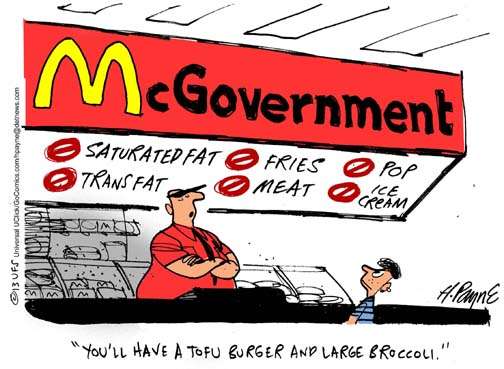
Friday, January 31, 2014


Does Vitamin E FUEL cancer in smokers? Supplements may speed growth of tumours

Supplements are getting a pounding lately.  Long overdue  -- JR

Vitamin E and other common supplements fuel lung cancer in smokers, researchers fear.

They say that rather than preventing tumours, popular antioxidant pills may speed their growth and spread and hasten death.

The experiments were done on mice, but the Swedish researchers believe they are relevant to people.

Cancer Research UK recently said that we should be able to get all the vitamins we need from a healthy diet, without resorting to supplements.

Antioxidants, such as vitamins A, C and E, are credited with protecting against a host of ills, including cancer.  However, recent studies have hinted that in some cases they may actually fuel the disease.

When the University of Gothenburg researchers give vitamin E to mice in the very early stages of lung cancer, the disease grew and spread more quickly and the animals died twice as fast.

Experiments on human cells confirmed the finding.

A second antioxidant, a drug used to treat smoking-related lung conditions, had a similar effect.

Vitamin E and other antioxidants are credited with boosting health by mopping up harmful molecules called free radicals, which are unstable and highly reactive so that in animal tissues they can damage cells.

But it is thought that if cancer has already started to develop, antioxidants may actually feed the disease by switching off the body’s natural defences.

Although anyone can have small lung tumours that are yet to be spotted by doctors, they are most common in smokers.

The researchers said the amounts of vitamin E used were similar to those found in supplements.

They advised that the vitamin and other antioxidants are ‘used with caution’ by smokers, lung cancer patients and people with bronchitis, emphysema and other smoking-related lung conditions known collectively as chronic obstructive pulmonary disease.

They said it is too early to give any advice to healthy people – or to say if vitamins speed the spread of other cancers.

The warning, published in the journal Science Translational Medicine, is unlikely to apply to vitamin-rich ‘superfoods’ such as blueberries as they would have to be eaten in huge amounts to provide the levels of antioxidants contained in supplements.

Dr Emma Smith, of Cancer Research UK’s senior science communications officer, cautioned that the study was done on mice and it is not clear what it means for people.

However, she added: ‘There’s no strong evidence that antioxidants or vitamin supplements could reduce cancer risk, and some types of supplement can actually raise the risk.

‘There have also been concerns raised that antioxidants may interfere with cancer treatments.  ‘We recommend that people stick to a healthy, balanced diet, which should provide all the nutrients you need without taking supplements.’

SOURCE


Taking multivitamins 'can raise risk of a miscarriage'

Women who take multivitamin tablets while trying to become pregnant are more at risk of having a miscarriage, research shows.

A study of 35,000 mothers-to-be found they were 32 per cent more likely to lose their baby early on if they had taken the supplements regularly in the six weeks before conceiving.

Millions of women rely on the pills to boost their body’s stocks of vital vitamins and minerals and so increase their chances of having a successful pregnancy.

The researchers say in the International Journal of Epidemiology: ‘Women are advised to take multivitamins when they plan to conceive, believing it can do no harm.

‘We found a modest but consistent increased risk of early foetal death in multivitamin users, especially in women with a regular preconceptional intake.’

They said the finding ‘causes concern’ but were unable to explain why multivitamins raised the risk.

The NHS supplies women with multivitamin tablets after the ten-week point of their pregnancies as part of the Healthy Start scheme.

They contain vitamins C, D and B9 (also known as folate), which helps protect babies from spina bifida.

Many women begin taking pills while trying to conceive. But official advice warns only against consuming too much vitamin A.

The latest study, which is the largest of its kind and focused on mothers-to-be in Denmark, was conducted by the universities of Southern Denmark, Aarhus and Pittsburgh in the US.

Taking folate supplements on their own or multivitamins while expecting had a slight beneficial effect. But the study isolated a particular risk of miscarriage among those who took the all-in-one tablets several weeks before conception, around a third of the women.

Compared with taking no pills at all, regular multivitamin use for three or four weeks beforehand saw the chances of losing the baby rise by 23 per cent. For the period of five to six weeks, it was 32 per cent.

Although the authors couldn’t find a reason for the trend, they were able to rule out links with obesity, smoking, poverty, previous miscarriage or difficulty in conceiving.

Professor Lucilla Poston, head of the Division of Women’s Health at King’s College, London, urged women not to panic.

She said: ‘It is critical that the data are not interpreted as evidence against current recommendations for folate supplementation.

‘The authors rightly recommend that further studies are needed. In the meantime, supplements should be taken in accordance with current clinical guidelines.’

SOURCE


Thursday, January 30, 2014


Drinking during pregnancy 'worse than smoking tobacco or cannabis' and 7,000 babies a year are harmed, warn senior medics

This is not a well-supported judgment.  See  here and here.  There are even findings that mothers who drink moderately  have healthier babies.  The data on which the mavens below base their judgments will almost certainly be epidemiological and class-confounded

Drinking during pregnancy causes more harm to the unborn child than tobacco smoke or cannabis, according to senior doctors.

They want Government guidelines to be changed to tell women to avoid alcohol altogether rather than once or twice a week.

Paediatricians - who specialise in the care of children - say as many as 1 per cent of babies born in England suffer behavioural or developmental problems due to alcohol exposure.

There are 730,000 births in this country a year meaning as many as 7,000 could be affected.

One consultant said that if women must have one bad habit while pregnant, it would be safer to smoke tobacco or cannabis than drink alcohol.

Dr Neil Aiton, a paediatrician at Brighton and Sussex University Hospitals NHS Trust, said: ‘If it is a choice between a drink, a smoke or a spliff then ‘don’t drink’, would be my recommendation.

‘We have firm evidence that drinking alcohol regularly is damaging.  ‘Cigarettes cause babies to be born a bit on the smaller side.

‘There is other evidence but it is minor compared to the long-term neurological and psychological damage that alcohol causes to the nervous system.’

Doctors are calling for government advice to be changed to state that women should not drink alcohol at all either while pregnant or trying to conceive.

The current guidelines state that women should avoid it - but if they do choose to drink to limit it to one or two units a week.

But there are concerns this is misinterpreted by women who assume they can safely have one or two glasses of wine once or twice a week.

A large 250ml glass of wine contains about three units of alcohol and doctors say that women are unwittingly putting their foetuses at risk.

Baroness Sheila Hollins, head of the British Medical Association Board of Science, said: ‘That is quite difficult advice to follow. People don’t know what a unit is.

'The BMA’s advice would be that the elimination of drinking during pregnancy is safest because of the uncertainties of drinking at low to moderate levels.’

The chief medical officer for England Professor Dame Sallie Davies is currently reviewing the guidelines and may change them later this year.

Dr Raja Mukherjee runs for a clinic children and adults with foetal alcohol spectrum disorders (FASDs), a range of symptoms caused by alcohol damage in the womb, which is part of the NHS
She says that although many children are diagnosed as having foetal alcohol syndrome - which has clear physical characteristics - foetal alcohol spectrum disorders are rarely picked up.

Her clinic estimates that between 1 per and 3 per of the population is affected by FASDs but many grow up unaware of the cause of their condition.

SOURCE


Want to avoid the office cold? DITCH the Vitamin C: Washing hands and taking zinc is better at preventing infection

If you are suffering from a cold, read this before reaching for the orange juice.

Consuming vitamin C does little to help your symptoms, a new study suggests.

It found that washing your hands is one of the best defences against the common cold - while zinc tablets can also prevent it.

But they dismiss vitamin C supplements as having no effect.

The new review -  looking at medical and non-medical remedies to prevent and treat the common cold - also shows natural remedies often suggested for winter bugs have little evidence supporting them.

Ginseng, gargling, vapour rubs and homeopathy have ‘unclear’ benefits, according to a review published in the Canadian Medical Association Journal.

Antibiotics were also ineffective, because they only work on bacteria when colds are caused by viral infections.

The common cold strikes 930,000 Britons, on average, on any day in winter, with more than 200 viruses to blame.

Adults can expect to suffer between two and five colds a year, although they don’t always lead to symptoms.

Symptoms such as sore throat, stuffy or runny nose, cough and malaise are usually worse for the first three days but can last up to three weeks.

A new review by Dr Michael Allan, of the University of Alberta in Canada, and Dr Bruce Arroll, of the University of Auckland, New Zealand, concludes that clean hands, along with alcohol rubs and gloves, is the best prevention based on findings from 67 trials.

Zinc supplements of 10 or 15mg a day works for children, resulting in lower rates of colds and less time off school caused by colds, they say.

The doctors believe the evidence suggests adults would also benefit from taking zinc.

Researchers also found paracetamol, ibuprofen and perhaps antihistamine-decongestant combinations are among best treatments for a cold.

Ipratropium, a drug used to treat allergies and chronic obstructive pulmonary disorder, may alleviate a runny nose when used in a nasal spray but has no effect on congestion.

Cough medicines show no benefit in children, but may offer slight benefit in adults, while honey has a slight effect in relieving cough symptoms in children over the age of one.

The long-held belief that vitamin C assists in preventing and treating colds,  largely comes from research studies of poor quality and inconsistent results, says the review.

Dr Allan said ‘Much more evidence now exists in this area, but many uncertainties remain regarding interventions to prevent and treat the common cold.

‘We focused on randomised controlled trials and systematic reviews and meta-analyses of trials for therapy, but few of the studies had a low risk of bias.

‘However, many of the results were inconsistent and had small effects - for example, vitamin C - which arouses suspicion that any noted benefit may represent bias rather than a true effect.’

SOURCE