Tuesday, January 14, 2014
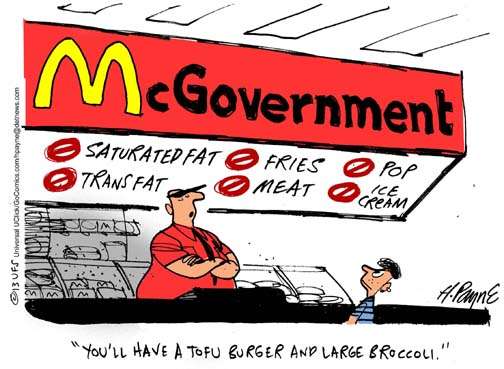
Fruit juice 'shouldn't count in your 5 a day': Some brands have more sugar than cola says obesity tsar
I personally find freshly squeezed orange juice much more satisfying than the bottled variety. I have an electric citrus juicer for the purpose
Fruit juice is so high in sugar it should not count as part of a healthy five-a-day diet, the Government’s obesity tsar has warned. The public should even start watering it down to wean themselves off it, said Oxford professor Dr Susan Jebb.
Some brands of orange juice contain as much sugar as cola and should be taxed because of their potential effect on the nation’s health, she claimed.
Experts say shoppers are now getting confusing messages about food, with a huge range of products saying they count towards a five-a-day diet. Tinned fruit, children’s drinks and even spaghetti hoops are all claiming health benefits – even though they are said to contain potentially unhealthy levels of sugar and salt.
Juice drinks have been singled out as a particular concern – lacking fibre and other nutrients as well as being high in calories. Even pure fruit juice is said to contain a large amount of naturally-occurring sugar – but people end up drinking too much of it because they do not see it as unhealthy.
Dr Jebb, a professor of diet and population health at Oxford University, said: ‘I would support taking it [fruit juice] out of the five-a-day guidance.
‘Fruit juice isn’t the same as intact fruit and it has got as much sugar as many classical sugar drinks.
‘It is also absorbed very fast, so by the time it gets to your stomach your body doesn’t know whether it’s Coca-Cola or orange juice, frankly. I have to say it is a relatively easy thing to give up.
‘Swap it and have a piece of real fruit. If you are going to drink it, you should dilute it.’
A small carton of orange juice contains about two and a half teaspoons of sugar, while a large glass has five. A whole orange has just two teaspoons, but also contains far more fibre – about 3 grams compared to none in juice.
Fruit also makes people feel fuller, helping to cut down on the need for other snacks. Dr Jebb’s comments come after health experts last week urged firms to cut the amount of sugar added to food over concerns it is becoming the ‘new tobacco’.
In 2011, researchers from Leeds University and the University of Bangor also called for fruit juice to be discounted from a healthy diet.
They said it gives the public a ‘sweet tooth’ and discourages them from eating fruit pieces that are far better for health.
The ‘five a day’ campaign was launched by the Department of Health in 2003, with the aim of encouraging Britons to eat five portions of fruit and vegetables every day. Its guidance says smoothies and juices, plus tins of fruit and veg, can count as up to two portions. Oxford researchers have claimed that following the guidelines could prevent 15,000 deaths a year from cancer, strokes and heart disease.
But surveys have found that as little as a fifth of adults and one in ten children meet the target.
A poll of 2,000 adults by the World Cancer Research Fund last year found that an average of 22 per cent of adults in England meet the five a day target. Figures ranged from 17 per cent in the North to 26 per cent in the South.
SOURCE
Viagra pill for women that costs £12 and also helps you slim: Drug could be on bedside cabinets by end of next year
A viagra for women could soon be on the market. In a development that sounds too good to be true, scientists are testing a drug that could boost women’s desire for sex – and also help them lose weight.
The pill, which is being developed with the help of the people behind Viagra, could be on bedside cabinets by the end of next year.
And if that isn’t exciting enough, the tablet could also help men.
With four in ten women saying that their sex life has lost its sizzle at some point, and Viagra already making up to £1.5billion a year, drug companies have long tried to create a female version.
But the strong psychological base to women’s libido means they have struggled to find the right product. Mike Wyllie, one of the team who created Viagra, believes the latest drug being developed by British firm ORLIBID could succeed where others have failed.
The drug, which acts on the brain to increase desire, is a synthetic version of melatonin, a hormone usually associated with tanning. Melatonin also has a role to play in libido – and appetite.
Drug companies have long known that melatonin affects sex drive, but have struggled to find a way to package it in a pill, not a jab. The new tablet form is more convenient and has fewer side-effects.
The pills could cause nausea, and regulators will have to be satisfied that they are not addictive.
However, it is thought that women could actually need fewer pills as their treatment progresses.
The company plans to carry out three studies to measure the effects on women, some in Britain. If they show it to be safe and effective, the drug could be on sale in the UK by the end of 2015.
Taken 15 minutes before sex, the tablets could boost libido for more than two hours. Studies of a jab with a similar formula showed it led to satisfying sex more often. Dr Wyllie, who is advising ORLIBID but will not make any money from sales, said: ‘It will be for everyone from those where female sexual dysfunction is destroying their relationships to those just wanting to spice up their sex life.’
It is hoped that at the right dose the drug, which has the working name ORL101, will restore a flagging libido to normal levels without ‘supercharging’ it.
And while the pills are designed to increase sexual desire, they may also curb appetite.
Pricing has yet to be decided but ORL101 is likely to cost a similar amount to Viagra, which sold for up to £12 a tablet when launched.
This means that it is unlikely to be widely prescribed by a health service still struggling to find cash for the treatment of some life-threatening illnesses.
ORLIBID will also investigate whether the drug, which acts on the brain, can help impotent men for whom existing drugs, which target the body, do not work.
Paula Hall, a sex therapist with Relate, said that while women would buy a ‘pink’ Viagra, it will not fix a low libido caused by stress, anxiety or relationship problems.
Dr John Dean, a past president of the International Society for Sexual Medicine, said a drug may help when no medical or psychological cause of problems can be found.
He added: ‘Low sexual desire is by no means a trivial problem. It affects lives, relationships, productivity and satisfaction.’
SOURCE

Monday, January 13, 2014
Children who watch too much TV may have 'damaged brain structures'
But is it BECAUSE they watch TV?
Watching too much television can change the structure of a child's brain in a damaging way, according to a new study.
Researchers found that the more time a child spent viewing TV, the more profound the brain alterations appeared to be.
The Japanese study looked at 276 children aged between five and 18, who watched between zero and four hours TV per day, with the average being about two hours.
MRI brain scans showed children who spent the most hours in front of the box had greater amounts of grey matter in regions around the frontopolar cortex - the area at the front of the frontal lobe.
But this increased volume was a negative thing as it was linked with lower verbal intelligence, said the authors, from Tohoku University in the city of Sendai.
They suggested grey matter could be compared to body weight and said these brain areas need to be pruned during childhood in order to operate efficiently.
‘These areas show developmental cortical thinning during development, and children with superior IQs show the most vigorous cortical thinning in this area,’ the team wrote.
They highlighted the fact that unlike learning a musical instrument, for example, programmes we watch on TV ‘do not necessarily advance to a higher level, speed up or vary’.
‘When this type of increase in level of experience does not occur with increasing experience, there is less of an effect on cognitive functioning,’ they wrote.
The authors said the impact of watching TV on the ‘structural development’ of the brain has never before been investigated.
‘In conclusion, TV viewing is directly or indirectly associated with the neurocognitive development of children,’ they wrote.
‘At least some of the observed associations are not beneficial and guardians of children should consider these effects when children view TV for long periods of time.’
The children in the study were an almost even split between girls and boys.
The findings, published in the journal Cerebral Cortex, highlighted an association between TV viewing and changes in the brain but do not prove that TV definitely caused the changes.
Scientists also cannot be sure whether missing out on activities such as reading, playing sports or interacting with friends and family as a result of watching TV could be behind the findings, rather than TV being directly to blame.
But they did say that the frontopolar cortex area of the brain has previously been associated with ‘intellectual abilities'.
SOURCE
Religious people take fewer sick days and are less anxious because spirituality 'offers a buffer against the strains of modern life'
People who are religious are healthier and take fewer sick days, new research suggests. They are also less stressed and anxious at work, the researchers found. Experts believe this could be because spirituality offers a ‘buffer against strains’ of modern life.
A psychologist at the Health and Safety Laboratory in Stockport found that the more religious a person is, the less likely they are to suffer from anxiety, depression or exhaustion.
Dr Roxane Gervais also discovered that employees who are religious feel their lives have more meaning than those who are not.
Dr Gervais surveyed workers in a bid to discover how happy they are in their home and working lives. She found those who attend religious services feel more content within themselves and that they feel connected to a higher being.
Dr Gervais told The Telegraph: ‘As the pace of work and life accelerates, people long for meaning, and the younger generation in particular is looking for more than just a big pay cheque at the end of the month.
‘My research shows that religiosity in the workplace may act as a resource, making people more resilient to cope with the many challenges of working life.
‘Such personal beliefs could be very helpful not only for employees, but also for employers providing people with a buffer zone.’ As a result, she says employers should be encouraged to be understanding and supportive of their employees’ beliefs.
Dr Gervais’ findings are to be presented at the Annual Conference of the British Psychological Society’s Division of Occupational Psychology’s in Brighton.
The research comes just after it was revealed that people who have a spiritual side have a 'thicker' section of brain tissue than those who do not.
The research, from Columbia University, also suggested that this thickening of the brain’s cortex could help to stave off depression.
The study authors believe this could suggest being religious changes the structure of the brain in a way which reduces depression risk.
SOURCE
Sunday, January 12, 2014
Sugar is 'the new tobacco': Health chiefs tell food giants to slash levels by a third
It looks like Loony Lustig has finally convinced somebody of the truth of his Quixotic crusade. Pity most of his fellow scientists are not convinced
Food giants are being told to cut the amount of sugar they use because it has become the ‘new tobacco’.
Doctors and academics say levels must be reduced by up to 30 per cent to halt a wave of disease and death.
They found that even zero-fat yoghurts can contain five teaspoons of sugar, while a can of Heinz tomato soup has four.
The equivalent of 11 teaspoons are found in a small Starbucks caramel Frappuccino with whipped cream. A Mars bar has eight.
‘Sugar is the new tobacco,’ said Simon Capewell, professor of clinical epidemiology at the University of Liverpool.
‘Everywhere, sugary drinks and junk foods are now pressed on unsuspecting parents and children by a cynical industry focused on profit not health.
The obesity epidemic is generating a huge burden of disease and death.
Obesity and diabetes already cost the UK over £5billion a year. Without regulation, these costs will exceed £50billion by 2050.’
Professor Capewell is part of a new US-UK campaign group – Action on Sugar – that says asking firms to make voluntary changes has failed.
The typical Briton consumes 12 teaspoons of sugar a day and some adults consume as many as 46. The maximum intake recommended by the World Health Organisation is ten, although this guideline is likely to be halved.
The UN agency says there is ‘overwhelming evidence coming out about sugar-sweetened beverages and other sugar consumption’ being linked to obesity, diabetes and cardiovascular disease.
A study by Action on Sugar found surprisingly high levels of sugar in many foods, including savoury products and healthy options.
The Pret a Manger Very Berry Latte with milk has 26.9g of sugar – the equivalent of seven teaspoons. Yeo Valley Family Farm 0% Fat Vanilla Yogurt has five.
Even Glaceau Vitamin Water, which is owned by Coca-Cola, has the equivalent of four teaspoons of sugar in a 500ml bottle.
Action of Sugar said food firms should be able to reduce the amount of sugar they add to products by 20 to 30 per cent within three to five years, taking 100 calories a day out of the typical diet.
This would be enough to halt or even reverse rising levels of obesity and associated ill-health, it claimed.
Graham MacGregor, a professor at the Wolfson Institute of Preventive Medicine in London and chairman of Action on Sugar, said: ‘We must now tackle the obesity epidemic both in the UK and worldwide.
‘We must start a coherent and structured plan to slowly reduce the amount of calories people consume by slowly taking out added sugar from foods and soft drinks.
‘This is a simple plan which gives a level playing field to the food industry, and must be adopted by the Department of Health to reduce the completely unnecessary and very large amounts of sugar the food and soft drink industry is adding to our foods.’
Dr Aseem , the group’s science director, said: ‘Added sugar has no nutritional value whatsoever, and causes no feeling of satiety.
Sugar
‘Aside from being a major cause of obesity, there is increasing evidence that added sugar increases the risk of developing type 2 diabetes, metabolic syndrome and fatty liver.
‘We must particularly protect children from this public health hazard and the food industry needs to immediately reduce the amount of sugar that they are adding, particularly to children’s foods, and stop targeting children with massive advertising for high calorie snacks and soft drinks.’
But sugar manufacturers rejected the claims of the health experts saying they were not supported by the consensus of scientific evidence.
Sugar Nutrition UK said the World Health Organisation published a review last year that found that any link between diabetes and body weight was due to overconsumption of calories and was not specific to sugar.
It said: ‘There have also been numerous studies, which have investigated potential links between sugar and diabetes, with experts from the British Dietetic Association, European Food Safety Authority, and Institute of Medicine being very clear that diabetes is not caused by eating sugar.
Respected expert committees have reviewed the evidence over many years and all have concluded that the balance of available evidence does not implicate sugar in any of the so-called lifestyle diseases.’
And Barbara Gallani, of the Food and Drink Federation, an industry group, also denied sugar was responsible for obesity.
She said the industry already provided clear information on sugar levels to consumers, using figures and colour-coded labels.
‘Sugars, or any other nutrient for that matter, consumed as part of a varied and balanced diet are not a cause of obesity, to which there is no simple or single solution,’ she added.
Professor Shrinath Reddy, a cardiologist at the Harvard School of Public Health and member of the WHO panel of experts, disputed this conclusion.
He said there was ‘overwhelming evidence coming out about sugar-sweetened beverages and other sugar consumption links to obesity, diabetes and even cardiovascular disease’.
Yoni Freedhoff, assistant professor of medicine at the University of Ottawa, said sugar needed again to become an occasional treat rather than a regular ‘crutch’. He said that added sugar had found its way into virtually everything we eat.
SOURCE
Sugar not as bad as tobacco say nutrition experts
Warnings that eating sugar is as dangerous to human health as smoking tobacco or drinking alcohol have been dismissed as "nuts" by nutrition experts and a former health secretary.
Andrew Lansley, who was health secretary until 2012 and is now the Commons Leader, insisted that sugar is an essential component of food and that the comparison with tobacco was inaccurate.
His comments were echoed by a number of nutritional scientists who said the claims, which were made by a group of doctors campaigning for a reduction in the levels of sugar in food, were alarmist and misleading.
The doctors, who launched their campaign Action on Sugar on Wednesday, warned that sugar in processed foods was “the new tobacco” in terms of the risk it posed to human health.
They said that the obesity crisis could be reversed within five years if the food industry cut the amount of sugar they put into food by 30 per cent, and claimed that sugary snacks had become the “alcohol of childhood”.
But Mr Lansley said the comparison with tobacco was not appropriate and that consumers would likely reject dramatic reductions in sugar.
Speaking during his weekly question and answer session in the Commons, he said: "You can't simply slash the sugar in food otherwise people simply won't accept it.
“That is what they are looking for. I don't think it is helped by what I think are inaccurate analogies. I just don't think the analogy between sugar and tobacco is an appropriate one.
"I think we have to understand that sugar is an essential component of food, it's just that sugar in excess in an inappropriate and unhelpful diet."
Nutrition experts from around the country also criticised the attempt to compare sugar with tobacco, saying blaming a single nutrient for obesity overlooked the other aspects of the nation’s diet that contribute excessive calories.
Professor Susan Jebb, a diet and population health expert at the University of Oxford said: “The scale of the obesity problem in this country clearly needs greater action to improve the nation’s diet.
“But we need to move away from a reductionist approach which blames individual nutrients, such as sugar, and instead take a more holistic approach if we are going to reduce diet-related disease.”
Dr Victoria Burley, a senior lecturer in nutritional epidemiology at Leeds University, described the comparison with alcohol and tobacco as “nuts”.
She said: It’s total hyperbole, quite crazy. The epidemiology for smoking causing cancer is strong.
“You can look at figures and see that one quarter of cancer deaths are linked to smoking, that’s something like 43,000 deaths a year.
“There is certainly evidence that obesity is linked to cancer and coronary heart disease but there is little evidence that there is a causal link between sugar and obesity.
“So you can’t say with any certainty that sugar is a cause of death.
“Consumption of sugar has been decreasing steadily since the 1960s. Sales of sweets, jams and preserves have all gone down.
She added that sugar can be a useful nutrient for those who are physically active or trying to gain weight.
Professor Naveed Sattar, an expert in metabolic medicine at Glasgow University, insisted that it is only when sugar is consumed excessively that it becomes harmful.
He said: “The truth is that sugar on its own is not necessarily bad if overall calorie intake matches calorie burn and individuals are normal weight and healthy.
“However, when the diet leads to overconsumption of calories – here excess fat or sugar can both be stored as excess fat in important body organs such as the liver or muscle increasing health risks such as diabetes, liver disease and associated conditions.”
Action on Sugar is aiming to help the public to avoid products that contain hidden sugars and warns that children are a particularly vulnerable group.
The group lists flavoured waters, sports drinks yogurts, ketchup, bread and ready meals as being particularly high in sugar. A can of Coca Cola, for example, contains nine teaspoons of sugar while a 0% fat yogurt contains five teaspoons of sugar.
SOURCE
Friday, January 10, 2014
Study: ‘No Statistical Correlation’ Between Fine Airborne Particles, Premature Death
There's no evidence to support the Environmental Protection Agency’s (EPA) longstanding claim that fine airborne particulate matter measuring 2.5 micrograms or less (PM2.5) is killing thousands of Americans every year, according to the first comprehensive study of its kind.
The study, entitled “Airborne Fine Particulate Matter and Short-Term Mortality,” was released on JunkScience.com last month. It compared air quality data collected statewide by the California Air Resources Board to 854,109 death certificates issued by the state Department of Public Health documenting 94 percent of all deaths in California between 2007 and 2010.
The study’s author, Johns Hopkins-trained biostatistician Steve Milloy, used a traditional epidemiological approach in an attempt to duplicate EPA’s findings, but found “no correlation between changes in ambient PM2.5 and mortality” from any cause of death.
“EPA says that when PM2.5 levels go up, people die every day,” Milloy told CNSNews.com. “But if PM2.5 is killing people, my data would show it, especially in Los Angeles, which has some of the worst air quality in the U.S. Not only was there no relationship there, I found a negative correlation in the LA area.”
“The lack of correlation was confirmed by examination of unusual spikes in PM2.5 and mortality. No spike examined indicated any sort of relationship to the other variable,” Milloy noted in the study. In fact, in some cases PM2.5 levels “are trending downward, [while] deaths are trending in the opposite direction.”
“If a significant causal relationship between PM2.5 and mortality existed, that relationship should have been visible in this study. But it was not,” he concluded.
Milloy also found “no evidence” to support EPA claims that the elderly and those with heart and lung disease were “more vulnerable than the general population to the effects of PM2.5.”
The findings are at odds with EPA’s longstanding claim that breathing particles 1/30th the diameter of a human hair is deadly. Since 1997, that claim has been central to EPA’s regulation of particulate matter under the Clean Air Act, and is currently used to justify additional stringent regulations on emissions from vehicles, factories, farms, power plants and even wood-burning stoves.
“An extensive body of scientific evidence indicates that breathing in PM2.5 over the course of hours to days (short-term exposure) and months to years (long-term exposure) can cause serious public health effects that include premature death and adverse cardiovascular effects,” EPA states.
In 2011, former EPA Administrator Lisa Jackson testified before Congress that reducing particulate matter would have “an identical impact to finding a cure for cancer.” A total of 574,743 Americans died of cancer that year, according to the Centers for Disease Control and Prevention (CDC).
And in a Feb. 2012 letter to House Energy and Commerce Committee chairman Fred Upton (R-Fla.), Jackson’s successor, Gina McCarthy, then former assistant administrator in EPA’s Office of Air and Radiation, wrote that “there is no threshold level of fine particle pollution below which health risk reductions are not achieved by reduced exposure.”
Milloy told CNSNews.com that he did the study because EPA refused to release any of the taxpayer-funded research data underlying these claims.
“My study opened it up to questioning. Anybody can get this data and see whether there’s a relationship. If they get a different answer than I did, we can go back and see what happened,” he said. “That’s the scientific method.”
“As it stands now, only EPA-funded researchers do the work and review the work, and nobody gets to see the data. These are very expensive regulations, and the alleged benefits are entirely based on this PM/death relationship.”
Last August, the House Science, Space and Technology Committee issued its first subpoena in more than two decades, seeking what chairman Lamar Smith (R-Tex.) called “the secret science [EPA] uses as the basis for costly air regulations.” But EPA has only partially complied with the congressional subpoena, according to a committee spokesman.
SOURCE
Americans with less education have shorter life spans - research
Consistent with the observation that there is a general syndrome of biological fitness which includes high IQ. It has long been known that smart people live longer and are healthier. And IQ is mostly inborn
Americans who have never finished high school are now sicker than ever, and have much shorter life expectancy rates. In fact, those with no high school diploma are expected to die nine years earlier than someone with a college degree. A strong link between health and education are more significant nowadays versus how they were looked at previously according to a policy brief by the Virginia Commonwealth University Center on Society and Health and the Robert Wood Johnson Foundation.
Even though the life span in the US is on the rise, Americans who do not have a high school diploma are facing much turmoil in terms of their health. Life expectancy has dipped down for Caucasians, especially white women who do not have 12 years of basic schooling. On top of it all, if low rates of education are present then it usually means higher amounts of diseased and disabled people, thus placing a lot of pressure on a person’s mental health.
Americans that are 25 years of age with no high school diploma are statistically expected to pass away nine years earlier than college graduates would. One vivid illustration of how the land of the free is being affected is by looking at the level of diabetes. By the year 2011, the amount of diabetes had gone up just 7 percent in college graduates versus 15 percent in adults that had not graduated from high school.
Research noted in the policy brief points out that being educated does not only increase the life expectancy rate, but also saves money and makes for a more productive economy. People with very little education face higher medical expenses and are not as productive in the workplace—indicating that poor education is pricey for employers by and large.
On the flipside, health advantages of a decent education offer greater opportunities to get health insurance, and a much better salary to afford a healthier way of living. "I don't think most Americans know that children with less education are destined to live sicker and die sooner," Steven H. Woolf, M.D., director of the VCU Center on Society and Health said, "It should concern parents, and it should concern policy leaders. In today's knowledge economy, policymakers must remember that cutting 'non-health' programs like education will cost us more in the end by making Americans sicker, driving up health costs and weakening the competitiveness of our economy."
Woolf and his team hope, through the center’s Education and Health Initiative, they can help make people more aware of the connection between health and education. In the near future, the facility will distribute briefs on why investing in one’s education is also an investment on their overall health.
SOURCE
Thursday, January 09, 2014
Sleeping pill Stilnoct (zolpidem/ambien) can increase the risk of heart attacks, scientists claim
This finding probably shows only that Taiwanese in poor health have more insomnia
A sleeping pill prescribed to thousands of patients can increase the risk of heart attacks by up to 50 per cent, according to scientists.
Research carried out among heart attack victims found that numbers were higher among those who had taken zolpidem tablets, prescribed in the UK under the name Stilnoct and in the US as Ambien.
Scientists have linked taking zolpidem to an increased threat of heart attacks, and believe that taking the equivalent of 60 of the pills can increase the risk by as much as 50per cent.
Even taking just four pills with a dose of 35 miligrams per year increases the risk of a life-threatening cardiac episode by 20per cent.
The study, which was carried out by experts at the China Medical University in Taiwan, is the first to link zolpidem with cardiovascular problems.
Drug manufacturers Sanofi Inc have refuted the finding and said there are no known adverse cardiac reactions to zolpidem.
Experts can not be completely sure that the pills are responsible for heart problems.
However, scientists, who presented their findings at the world’s biggest cardiology conference in Dallas, Texas, say further and wider-reaching investigations into possible side effects of the drug are required following the study of more than 5,000 people.
Scientists who compared 5,000 heart attack victims with 20,000 healthy adults claimed there was a higher rate of heart attacks among those who took zolpidem.
The findings, revealed at the annual meeting of the American Heart Association, showed that even taking the pills sporadically can increase the risk of suffering a heart attack.
'The risk of an acute myocardial infarction (heart attack) was greatly increased with zolpidem exposure,' the report said, according to the Daily Express.
As part of a separate study the China Medical University scientists found that taking the equivalent of a 10mg zolpidem tablet every week can double the risk of a patient suffering a damaged aorta blood vessel.
According to the scientists the medication can increase the threat of an aortic dissection, where the vital aorta blood vessel is torn with potentially fatal results as it can cause internal bleeding.
In a statement Sanofi Inc said that that known adverse reactions to the drug did not include acute myocardial infarction or aortic dissection.
It said: 'We stand behind the substantial body of clinical data demonstrating the safety and efficacy of zolpidem, which was first approved in France in June 1987, amounting to 26 years of real-world use and 24 billion nights of patient therapy worldwide.'
Around five million people in Britain are prescribed z-hypnotics, including zolpidem, for insomnia every year.
However, there have been an increasing number of fears over their safety and it is recommended that patients should take the lowest dose possible for no more than four weeks.
In 2012, the US Food and Drug Administration said that the recommended dosages of zolpidem should be halved to to five milligrams because of concerns that the medication can remain in the bloodstream for longer than initially thought.
An unrelated study carried out last year showed increased rates of cancer-related deaths among people taking all varieties of sleeping pills, not just z-hypnotics.
SOURCE
Sweets made of bacteria fight off tooth decay
This was an extremely small study so must be regarded as preliminary only
Sweets that slash levels of harmful bacteria in the mouth could be a new weapon against tooth decay. They are designed to stop the bugs that cause decay from sticking to the surface of teeth, where they trigger erosion.
Instead, the harmful bacteria are swallowed in saliva and then flushed out of the body.
The sugar-free sweets work by using a type of 'friendly' probiotic bacteria (lactobacillus paracasei) to bind to the harmful type (streptococcus mutans).
As the sweet is sucked, the friendly bacteria are released into the saliva. They then lock on to the corrosive type, forming a clump, which reduces the harmful bacteria's ability to stick to the surface of teeth.
As a so-called 'friendly' bacterium, found in some probiotic yoghurt drinks, for example, lactobacillus is a group of organisms that helps break down food, absorb nutrients and fight off bugs that might cause diseases such as diarrhoea.
The boiled sweets, developed by German firm Organobalance GMBH, could be targeted at children to try to avoid the early onset of tooth decay.
Rotten teeth in British children costs around £45 million a year to treat and by the age of 15, teenagers have had an average of 2.5 teeth filled or removed due to decay.
A recent survey suggested one in four five-year-olds in England already has tooth decay.
Streptococcus mutans, the most harmful bacterium in the mouth, feeds on sugar in the diet, which it ferments into an acid that burns holes in the surface of a tooth.
At the moment the only effective way to reduce bacteria numbers is to brush and floss regularly to reduce plaque (because plaque is where harmful bacteria congregate).
The sweets were developed after laboratory tests on rats showed that lactobacillus paracasei reduced levels of harmful microbes in the mouth.
The lactobacillus paracasei were first treated with heat, which stops them multiplying in the mouth but means they can still be recognised by the harmful bacteria which bind to it. To test it on humans, researchers developed a range of flavours containing heat-treated strains of the friendly bug.
They recruited 60 adults and split them into groups. Some ate sweets containing lactobacillus paracasei, and others ate identical-looking sweets with no bacteria.
Over one-and-a-half days, all the volunteers ate five sweets. Each time, researchers tested saliva samples to measure levels of the tooth-eating organism.
The results, published in the journal Probiotics and Antimicrobial Proteins, showed 75 per cent of those given the bacteria-loaded sweets had significantly lower levels of streptococcus mutans after eating only one sweet and this reduction persisted throughout the experiment. Those on placebo sweets also saw a slight reduction in the 'bad' bacteria, but researchers think this might have been because they were more inclined to suck for longer - creating more saliva to flush the mouth out - because they knew they were taking part in an experiment.
The sweets could be available within the next year or two. Scientists are also developing toothpastes and mouthwashes containing the friendly bacteria.
Commenting on the findings, Dr Nigel Carter, chief executive of the British Dental Health Foundation, said: 'This adds to the growing belief that probiotics have an important role to play in improving oral health.'
SOURCE
Wednesday, January 08, 2014
Mother confined to a wheelchair with chronic fatigue walks again after drinking two litres of protein milkshake a DAY
Looks like her symptoms reflected a dietary deficiency. Unusual that she needed protein. A normal diet should provide that. Her personal deficiencies and sensitivities may not be widely shared
A mother-of-three who was left confined to a wheelchair with chronic fatigue is walking again - thanks to a daily diet of two litres of milkshakes.
Jeanette Elisha-Elliss, 47, suffered the mystery illness for three years before her health dramatically deteriorated.
Her weight plunged, her hair began to fall out and she experienced terrifying episodes of complete paralysis.
Doctors failed to find an effective treatment so Jeanette, who had spent four months in a wheelchair, started doing her own research.
She bought a Ph test and discovered a lack of minerals was causing her body to shut down.
Jeanette, a former art teacher, found her cure lay in whey protein shakes.
She bought a big tub for £20 and mixed herself shakes with water every two hours - day and night - as well as large amounts of beetroot juice which is high in nitrates.
She was stunned when her spasms of paralysis disappeared after just two days and she managed to walk in a fortnight.
Mrs Elisha-Elliss said: 'The hospital and doctors couldn’t help me so I had to help myself. I was up in the middle of the night drinking beetroot juice and protein shakes. I was pretty much overdosing on various nutrients.
'The science is out there. People are turning to the internet because they know they are ill, even when medical tests suggest they are not.
'Doctors are missing vital signs of acidity in the body, hormone and neurological disorders.
'Patients are criticised for turning to the internet, but like many other, I felt I had no choice.'
Mrs Elisha-Elliss, of Belstead, Suffolk, started to lose muscle control in May, shortly after marrying gardener Kevin, 51.
She went to her GP and was immediately referred to hospital because she was showing the signs of a stroke.
But blood, urine and EMG tests all came back blank and doctors were unable to find a diagnosis.
Jeanette says she was dismissed as a hypochondriac by hospital staff in Ipswich and decided to take her treatment into her own hands.
She believes her symptoms were linked to low mineral and amino acid levels in her body - something not tested for by doctors.
Jeanette has now managed to balance her hormone levels, lower her blood pressure, stabilise her weight and regain her short-term memory.
The protein shakes help address her lack of amino acids while the beetroot juice helps maintain the level of nitrates in her system.
They work together to trigger receptors for both the nervous system and the hormone levels.
Mrs Elisha-Elliss claims it is this lack of this nutrition that led to her spasms of paralysis and extreme tiredness.
She has now written a book about her experience called The Eli Diet Theory - hopes to educate others on the importance of diet to good health.
She added: “We are putting our faith into some medical professionals who believe they know more about our bodies than we do.
'Trying to suggest you have any understanding of a condition leaves you open to criticism, judgement and possible labels of hypochondria.
'By not understanding basic human biochemistry, patients are being pushed towards antidepressant and psychiatric doctors who are even less qualified to diagnose organic medical problems.
'Although people are living longer, we are not getting healthier.'
Nutrition coach Susan Hart confirmed that protein shakes and beetroot juice can improve health - but recommended a natural source.
She said: “Each case has to be treated on an individual basis but it is understandable how taking protein in this instance would have had a dramatic effect.
'The main things we need protein for are energy and muscle mass. It makes up our bodies building blocks so without it you are certainly going to feel the effects.
'The protein supplement shakes are always really precise so they are good in the sense that you can see the exact levels of what you’re putting in your body.
'My advice would be to try a natural source of protein first as the supplements tend to contain a lot of sugar and carbohydrates. I would go for eggs or grilled chicken.'
A spokeswoman from The Ipswich Hospital NHS Trust said: 'We are aware of Mrs Ellis’ concerns and we have responded to them accordingly. We wish Mrs Ellis all the best with the publication of her new book.'
SOURCE
Eating plenty of fruit and veg can protect against asthma -- if you are a mouse
Eating plenty of fruit and vegetables protects against asthma, according to new research.
Mice fed a diet high in fibre had less inflamed lungs when exposed to the house dust mites that trigger the condition than those given little of the healthy food.
The researchers said the findings published in Nature Medicine may apply to humans and underline how what we eat can influence immune cell development and disease outside of the gut.
A previous study found asthma and irritable bowel syndrome (IBS) could be caused by the same inflammatory reaction. People who suffer from IBS are twice as likely to have asthmatic symptoms as well.
IBS is a common digestive disorder that produces a range of symptoms including cramp, a feeling of bloating, and a change or disruption of bowel habit, such as constipation or diarrhoea.
Dr Benjamin Marsland, of the University of Lausanne, Switzerland, said: 'Over recent decades, the incidence of allergic asthma has increased in developing countries, while the consumption of dietary fibre has decreased in these countries.'
His team found mice fed a low fibre diet developed increased lung inflammation in response to dust mites whereas those whose food was enriched with pectin found in the cell walls of plants had reduced allergic airway disease.
The soluble fibre used to combat constipation altered the composition of bacteria in the gut.
Once ingested, these bugs process the fibre and release metabolites, called short chain fatty acids, which enter the blood and influence the development of immune cells elsewhere in the body, including those entering the lung.
Dr Marsland said the work highlights the importance of roughage and provides a cellular mechanism for controlling asthma.
He added: 'Moreover, these data can be interpreted within the contect of epidemiological studies showing as fibre content in the diet has decreased, the incidence of allergies has increased.
'Taken together, our findings support the concept intervention strategies targeting diet are a valuable approach for not only intestinal diseases but also respiratory inflammatory diseases.'
Dietary fibre has many known benefits, including reduced risk of heart disease and certain cancers with health organisations around the world recommending daily minimum levels.
But most people in western countries like Britain, Australia and the United States eat much less fibre than they require to remain healthy.
SOURCE
Tuesday, January 07, 2014
A diet to cure diabetes: Patients were able to come off tablets after two months on severe low calorie regime
The explanation given below for the good results is unduly complicated. The results could simply be seen as the effect of giving the pancreas a rest
A crash diet that has been medically approved could help millions of Britons defeat diabetes. Men and women suffering from the disease were able to throw away their tablets after going on an extreme low-calorie diet for just two months.
And 18 months later, some were still free of symptoms and said they were astonished at the dramatic improvement in their health.
So far the diet has only been tested on a handful of patients. But a £2.4million trial involving 280 diabetics is about to get under way. These men and women will live on meal replacement shakes and soups. They will be allowed to take in only 800 calories a day – an amount many people will consume in their lunch.
Type 2 diabetes, which normally develops in middle age, is the most common form of the condition with 3million sufferers in the UK alone. The disease occurs when the pancreas does not make enough insulin and the insulin that is made does not work properly.
Newcastle University’s Professor Roy Taylor believes fat surrounding vital organs could be the key to understanding the condition. This fat is thought to clog up the pancreas and liver, cutting insulin production and stopping insulin from being used properly.
But crash dieting plunges the body into starvation mode, the fat is burned off and the vital organs are then freed up.
The original trial – involving 11 men and women – found consuming only weight loss shakes, salad and non-starchy vegetables for eight weeks could reverse diabetes.
Fat levels in the pancreas returned to normal and the organ was able to pump out insulin without running into any problems.
And three months after the end of the diet, seven out of the 11 participants were still diabetes-free.
Even 18 months later, at least four of the patients found that they had no signs of diabetes.
Gordon Parmley, 69, of Stocksfield in Northumberland, came off his diabetes tablets after taking part in the trial. He said: ‘It’s astonishing really that a diet – hard as it was – could change my health so drastically.’
And Professor Taylor said: ‘I believe that this study will lead to a quantum leap forward in our understanding of how best to manage type 2 diabetes.’
The new, much larger trial, which will be co-led by Glasgow University researcher Mike Lean, will see if the success can be repeated in large numbers of people.
It will look at how easy they find it to follow the diet – and see how long they remain healthy after they have started to eat normally again.
Professor Lean said: ‘If our analysis shows this approach is both effective and cost-effective, our aim would be to produce a programme that could be implemented in the NHS as soon as possible.’
And Dr Matthew Hobbs from Diabetes UK, which is funding the trial, said: ‘Type 2 diabetes will always be a serious condition. ‘But perhaps it won’t always be seen as a condition that people have to manage for the rest of their lives and one that worsens inevitably over time.
‘If we can do this safely, on a bigger scale as part of routine care, then a low-calorie liquid diet would be a real game changer in terms of reducing people’s risk of devastating health complications such as amputation and blindness.’
However the research has no implications for people with type 1 diabetes, in which the pancreas is damaged by the body’s own immune system.
And the charity has advised people not to embark on the diet themselves, strongly urging anyone determined to try it to speak to their GP first.
SOURCE
Neurologist Richard Saul says ADHD does not exist
POP quiz: Is the proportion of American children suffering from the disease known as attention deficit and hyperactivity disorder ...
a) Less than 5%, as we believed before the early 1990s?
b) More than 11%, and rising, as suggested by CDC statistics?
c) Zero?
The correct answer is (c), says neurologist Richard Saul in his forthcoming book, ADHD Does Not Exist: The Truth About Attention Deficit and Hyperactivity Disorder, which is sure to cause controversy when it hits the shelves in February.
After a long career treating patients complaining of such problems as short attention spans and an inability to focus, Saul is convinced ADHD is a collection of symptoms, not a disease, and shouldn't be listed in the American Psychiatric Association's Diagnostic and Statistical Manual.
Treating ADHD as a disease is a huge mistake, according to Saul. Imagine walking into a doctor's office with severe abdominal pains and simply being prescribed painkillers. Then you walk away, pain-free. Later you die of appendicitis.
Patients show up at the clinic with their own ADHD diagnoses these days, simply because ADHD is in the air all around us - and because they want to score some delightful drugs like Adderall or Ritalin, or because their parents want an easy way to get them to sit down and shut up.
Adderall and Ritalin are stimulants, though, and the more you take them the more you develop a tolerance for them, which can lead to a dangerous addiction spiral.
The term attention deficit disorder was made official in 1980, when it appeared in that year's edition of the DSM (the label changed to ADHD seven years later).
Subsequent editions have steadily loosened the definition, and diagnoses have skyrocketed accordingly - from 7.8% in 2003 to 9.5% in 2007 to 11% in 2011.
That's one in nine children, two-thirds of them boys, who are being slapped with the ADHD label. Two-thirds of these children have been prescribed a stimulant.
"ADHD makes a great excuse," Saul notes. "The diagnosis can be an easy-to-reach-for crutch. Moreover, there's an attractive element to an ADHD diagnosis, especially in adults - it can be exciting to think of oneself as involved in many things at once, rather than stuck in a boring rut."
In private practice, Saul found himself wondering, what other problems do these patients have besides being easily distracted? One girl he treated, it turned out, was being disruptive in class because she couldn't see the blackboard. Correct diagnosis: myopia. She needed glasses, not drugs.
A 36-year-old man who complained about his addiction to online games and guessed he had ADHD, it turned out, was drinking too much coffee and sleeping only four to five hours a night. Correct diagnosis: sleep deprivation. He needed blackout shades, a white-noise machine and a program that shut all his devices off at midnight.
A young man who asked, "Can't you just ask me a few questions and write me a prescription?" simply left the office when Saul started probing too deeply into whatever was ailing him.
One by one, nearly all of Saul's patients turned out to have some disease other than ADHD, such as Tourette's, OCD, fragile X syndrome (a genetic mutation linked to mental retardation), autism, foetal alcohol syndrome, learning disabilities or such familiar conditions as substance abuse, poor hearing or even giftedness. A boy who was disruptive and inattentive in math class (but no other) was, simply, bored by the material and needed to be advanced a grade to regain his concentration.
In a few cases, there was simply no diagnosis. One adult who thought she had ADHD and had been prescribed stimulants by another doctor got a different take from Saul. He advised her to instead return to her habit of exercising regularly and cut back on work hours. "I now realise it wasn't ADHD," she told him later, pleased with the progress she made as a result. "It was just life."
The explosion in ADHD diagnoses and related prescriptions of stimulants is not without substantial costs. Potentially addictive drugs are not to be given out like Skittles.
"I know of far too many colleagues," Saul writes, "who are willing to write a prescription for a stimulant with only a cursory examination of the patient, such as the 'two-minute checklist,' for ADHD."
Two minutes to jot down a prescription may lead to years of consequences: short-term side effects of stimulants include loss of sleep, increased anxiety, irritability and mood problems. Over the long term, use of these drugs can lead to unhealthy weight loss, poor concentration and memory, even reduced life expectancy or self-destructive behaviours not excluding suicide.
SOURCE
Monday, January 06, 2014
Could a tipple in pregnancy be good for baby? Study suggests mothers-to-be who drink lightly have better adjusted children
Mothers-to-be who indulge in a light tipple actually go on to have better adjusted children than those who abstain, a study has claimed.
Advice on drinking in pregnancy has varied from a complete ban to moderate consumption – amid fears that it could contribute to miscarriage and child developmental problems.
But the latest research looked at mothers in Denmark who drank ten bottles of white wine – or 90 units – over the course of the pregnancy.
Their offspring were both emotionally and behaviourally better adjusted than those of teetotal mothers.
The mothers who did drink were also likely to be from well-educated backgrounds with healthier lifestyles.
However, psychologist Janni Niclasen, who carried out the research, warned it was important to emphasise that the findings were not an invitation to pregnant women to drink alcohol.
She said: ‘At first sight this makes no sense, since alcohol during pregnancy is not seen as beneficial to child behaviour.
‘But when you look at the lifestyle of the mothers, you find an explanation. Mothers who drank 90 units or more of alcohol turn out to be the most well-educated and healthiest lifestyle over all.
‘Further, it is a question of taking account of childhood-related psychological factors like attachment between mother and child in this type of study.
This is a problem because we know that attachment is a very significant predictor for child cognitive and mental health.
‘Therefore, it should be taken into account in our statistical analysis.’
Miss Niclasen, of the University of Copenhagen, examined the results of a large population survey carried out by the Danish health and medicine authorities.
She only studied the alcohol consumption of women who drank small quantities during pregnancy, so the results do not show the effect on children whose mothers drank heavily.
The population study involved 100,000 pregnant women interviewed on three separate occasions about their consumption – twice in pregnancy and when the children were aged six months. When the children were seven, 37,000 women were contacted again.
Since 2007, the Department of Health has advised that alcohol should be avoided altogether during pregnancy. However, women who do decide to drink are advised to have no more than one or two units, once or twice a week.
The National Institute for Health and Care Excellence advises women to avoid alcohol in the first three months of pregnancy.
The Royal College of Obstetricians and Gynaecologists says women should abstain. But it also says that evidence shows that one or two units, once or twice a week, are acceptable after 12 weeks of pregnancy.
SOURCE
I am the 70s child of a health nut. And I wasn’t vaccinated
Amy Parker
I am the 70s child of a health nut. I wasn’t vaccinated. I was brought up on an incredibly healthy diet: no sugar till I was one, breastfed for over a year, organic homegrown vegetables, raw milk, no MSG, no additives, no aspartame. My mother used homeopathy, aromatherapy, osteopathy, we took daily supplements of vitamin C, echinacea, cod liver oil.
I had an outdoor lifestyle; I grew up next to a farm, walked everywhere, did sports and danced twice a week, drank plenty of water. I wasn’t even allowed pop; even my fresh juice was watered down to protect my teeth, and I would’ve killed for white, shop-bought bread in my lunch box once in a while and biscuits instead of fruit like all the other kids.
We only ate (organic local) meat maybe once or twice a week and my mother and father cooked everything from scratch – I have yet to taste a Findus crispy pancake and oven chips were reserved for those nights when mum and dad had friends over and we got a “treat.”
As healthy as my lifestyle seemed, I contracted measles, mumps, rubella, a type of viral meningitis, scarlatina, whooping cough, yearly tonsillitis, and chickenpox, some of which are vaccine preventable. In my twenties I got precancerous HPV and spent 6 months of my life wondering how I was going to tell my two children under the age of 7 that mummy might have cancer before it was safely removed.
So having the “natural immunity sterilised out of us” just doesn’t cut it for me. How could I, with my idyllic childhood and my amazing health food, get so freaking ill all the time?
My mother was the biggest health freak around–she would put most of my current “crunchy” friends to shame. She didn’t drink, she didn’t smoke, she didn’t do drugs and we certainly weren’t allowed to watch whatever we wanted on telly or wear plastic shoes or any of that stuff. She LIVED alternative health. And you know what? I’m glad she gave us the great diet that we had, I’m glad that she cared about us in that way.
But it just didn’t stop me getting childhood illnesses.
My two vaccinated children, on the other hand, have rarely been ill, have had antibiotics maybe twice in their lives, if that (not like me who got so many illnesses which needed treatment with antibiotics that I developed a resistance to them, which led me to be hospitalized with penicillin-resistant quinsy at 21–you know that old fashioned disease that killed Queen Elizabeth I and which was almost wiped out through use of antibiotics).
My kids have had no childhood illnesses other than chickenpox, which they both contracted while still breastfeeding. They too grew up on a healthy diet, homegrown organics etc. Not to the same extent as I did, though, as I was not quite as strict as my mother, but they are both healthier than I have ever been.
I find myself wondering about the claim that complications from childhood illnesses are extremely rare but that “vaccine injuries” are rampant. If this is the case, I struggle to understand why I know far more people who have experienced complications from preventable childhood illnesses than I have EVER met with complications from vaccines. I have friends who became deaf from measles. I have a partially sighted friend who contracted rubella in the womb. My ex got pneumonia from chickenpox. A friend’s brother died from meningitis.
Anecdotal evidence is nothing to base decisions on. But when facts and evidence-based science aren’t good enough to sway someone’s opinion, then this is where I come from. After all, anecdotes are the anti-vaccine supporter’s way. Well, this is my personal experience. And my personal experience prompts me to vaccinate my children and myself. I got the flu vaccine recently, and I am getting the whooping cough booster to protect my unborn baby. My natural immunity from having whooping cough at age 5 will not protect him once he’s born.
I understand, to a point, where the anti-vaccine parents are coming from. Back in the 90s when I was a concerned, 19-year-old mother, frightened by the world I was bringing my child into, I was studying homeopathy, herbalism and aromatherapy; I believed in angels, witchcraft, clairvoyants, crop circles, aliens at Nazca, giant ginger mariners spreading their knowledge to the Aztecs, the Incas and the Egyptians and that I was somehow personally blessed by the Holy Spirit with healing abilities.
I was having my aura read at a hefty price and filtering the fluoride out of my water. I was choosing to have past life regressions instead of taking anti-depressants. I was taking my daily advice from tarot cards. I grew all my own veg and made my own herbal remedies.
I was so freaking crunchy that I literally crumbled. It was only when I took control of those paranoid thoughts and fears about the world around me and became an objective critical thinker that I got well. It was when I stopped taking sugar pills for everything and started seeing medical professionals that I began to thrive physically and mentally.
If you think your child’s immune system is strong enough to fight off vaccine-preventable diseases, then it’s strong enough to fight off the tiny amounts of dead or weakened pathogens present in any of the vaccines.
But not everyone around you is that strong, not everyone has a choice, not everyone can fight those illnesses, and not everyone can be vaccinated. If you have a healthy child, then your healthy child can cope with vaccines and can care about those unhealthy children who can’t.
Teach your child compassion, and teach your child a sense of responsibility for those around them. Don’t teach your child to be self serving and scared of the world in which it lives and the people around him/her. And teach them to LOVE people with ASD or any other disability for that matter, not to label them as damaged.
“Those of you who have avoided childhood illnesses without vaccines are lucky. You couldn’t do it without us pro-vaxxers.”
And lastly but most importantly for me – knowingly exposing your child to childhood illnesses is cruel; even without complications these diseases aren’t exactly pleasant. I don’t know about you, but I don’t enjoy watching children suffer even with a cold or a hurt knee. If you’ve never had these illnesses you don’t know how awful they are – I do.
Pain, discomfort, the inability to breathe or to eat or to swallow, fever and nightmares, itching all over your body so much that you can’t stand lying on bed sheets, losing so much weight you can’t walk properly, diarrhea that leaves you lying prostrate on the bathroom floor, the unpaid time off work for parents (and if you’re self employed that means NO INCOME), the quarantine, missing school, missing parties, the worry, the sleepless nights, the sweat, the tears and the blood, the midnight visits to A and E, sitting in a doctor’s waiting room on your own because no one will sit near you because they’re rightfully scared of those spots all over your kid’s face.
Those of you who have avoided childhood illnesses without vaccines are lucky. You couldn’t do it without us pro-vaxxers. Once the vaccination rates begin dropping, the less herd immunity will be able to protect your children. The more people you convert to your anti-vax stance, the quicker that luck will run out.
SOURCE
Sunday, January 05, 2014
Shedding some light: vitamin D pills useless, say researchers
It is good for your bones, it wards off rickets in children, but spending money on vitamin D supplements to prevent cancer and other non-skeletal diseases could be a waste of money, the medical journal The Lancet says.
The finding is the latest attack on the very healthy and growing supplement industry, estimated to generate $1.5 billion in Australian sales a year.
Only last month the US journal Annals of Internal Medicine said most vitamins and mineral supplements did not prevent chronic disease or death, that their use among healthy adults was not justified, that they wasted money and that they should be avoided.
While evidence supports the importance of vitamin D for bone health, Lancet's editorial said the results of myriad randomised controlled trials were "almost unanimous" in concluding vitamin D supplements provided protection from few, if any, other diseases.
"It looks increasingly likely that low vitamin D is not a cause but a consequence of ill health," said The Lancet Diabetes & Endocrinology journal. The sunshine vitamin has been touted as giving protection against cancer, heart attack, diabetes, dementia and autoimmune and inflammatory diseases.
But the French review of nearly 500 studies that appeared in The Lancet found its benefits in reducing the risk of diseases were largely unconfirmed in 172 randomised controlled trials.
"Associations between vitamin D and health disorders reported by investigators of observational studies are not causal," lead author Philippe Autier said. "Low vitamin D could be the result of inflammatory processes involved in the occurrence and progression of disease."
About 70 per cent of Australians take some form of vitamin or mineral supplement, many of which include D3. It is estimated that about 50 per cent of Americans, 30 per cent of Britons and many Australians take standalone D supplements.
The Royal College of Pathologists of Australasia has estimated that at least half the 4 million tests for vitamin D deficiency taken each year should not have been done. It recommended testing and supplements only for people with conditions such as osteoporosis or chronic kidney failure, which are known to decrease vitamin D, or for those with dark skin.
A college spokesman, Paul Glendenning, said the Lancet article reflected the latest thinking on vitamin D. Other medical organisations, including the Australian and New Zealand Bone and Mineral Society and the Endocrine Society, had reached similar conclusions.
Dr Glendenning said there was no evidence to support widespread screening of the population or treatment with supplements.
SOURCE
Food Freedom Dodged Bullets in 2013
For food freedom, 2013 was a banner year that saw the defeat of several potentially awful laws and regulations.
While my 2012 highlights focused mainly on the year's many success stories, this year's highlights look a bit different. Why? It's not that the year didn't result in successes for food freedom. It did (see here, here, or here, for example).
But when I look back on 2013, the year appears to me largely to be a story not of the good news that happened but of the bad news that didn't. And that's good news.
Here are five key examples that explain why 2013 was sweet thanks to laws and regulations that didn't come to fruition.
1) FDA Bows to Pressure, Scraps Proposed Food Safety Modernization Act Rules
Last year the FDA proposed two key rules for implementing the Food Safety Modernization Act, a sweeping food safety overhaul that became law in 2011. I hated the FSMA from the get go, arguing it would cost a ton of money and wouldn't make our food safer. Once the FDA released this set of proposed rules for public comment last year, the only legitimate criticism of my initial skepticism was that I hadn't been skeptical enough. Nearly $1 billion to make food up to 5% safer, all while putting small farmers out of business? No thanks. Blowback against the proposed rules was so great that the FDA was forced earlier this month to scrap the proposed rules and start all over. That's a tremendous victory.
2) New York City's Soda Ban Loses in Court (Twice!)
The reviled and unconstitutional proposal by New York City Mayor Michael Bloomberg's health department to ban some subjectively large soda choices forced a lawsuit in 2012. The plaintiffs--a diverse coalition that includes groups representing unions, restaurants, and soda companies--won the first round in court this past spring. New York State Judge Milton Tingling referred to the ban in his decision as “fraught with arbitrary and capricious consequences." An appeals court upheld Judge Tingling's decision this past summer. New York City has one last chance to rescucitate the ban before the state's highest court. But, as I wrote in the wake of Judge Tingling's ruling, the soda ban is dead.
3) Voters Reject Washington State's Mandatory GMO Labeling Law
Washington State voters rejected a ballot measure that would have forced food makers around the country to slap a "contains GMOs" label on food products sold in the state. I'm opposed to mandatory labeling like this for a variety of reasons. Instead, I support voluntary labeling. Voters in Washington State--along with those in California, where a similar ballot measure was rejected last year--appear to agree with me. And while Connecticut's state legislature became the first to pass a mandatory GMO labeling measure, the law is so convoluted it will likely never take effect.
4) Another Farm Bill Fails to Pass
Congress passes an awful Farm Bill laden with billions of dollars in needless subsidies every five years. That's been the case for more than six decades. But that Farm Bill clockwork is no longer. Sure, the subsidies are still there. And that needs to change. But passage of a new Farm Bill is no longer a given. In fact, Congress failed to pass a new Farm Bill in 2012 and 2013 despite pleas from typically powerful supporters--farm state congressmen, national and state farmers unions, and the USDA. While it would be an overstatement to suggest these farm interests have lost their considerable power, their legislative failures and largely ignored Chicken Little clucks--along with the broad consensus that farm subsidies are a waste of taxpayer money--don't bode well for the future of the Farm Bill. And that's great news.
5) "Ag Gag" Laws Lose Steam
2013 was a bad year for so-called "ag gag" laws, which criminalize various facets of information gathering pertaining to the treatment of farm animals. And that's a good thing for farmers, consumers, and animals alike. First, Tennessee Governor Bill Haslam vetoed a bill that would have created an ag gag law in his state. Then, PETA and other animal rights groups sued Utah in federal court, seeking to overturn that state's ag gag law. As I wrote earlier this year, those who claim filming farm animals shouldn’t be protected under the Constitution because it’s a “politically motivated” means of popularizing an “anti-meat agenda” appear to be unfamiliar with the Constitution. One needn't love PETA to recognize that a government that can take away the rights of members of that group may do so to the rights of people in other marginalized groups.
2013 will go down as the year of big, bad, scary things that might have happened but didn't. From the FDA scrapping its proposed Food Safety Modernization Act rules to the failure of mandatory GMO labeling to New York City's flailing soda ban, I'm happy to raise a glass to the bullets that food freedom dodged in 2013.
SOURCE
Friday, January 03, 2014
'Gorgeous girls eat meat': New diet book says the secret to staying slim is replacing bread with beef jerky
A paleo diet does seem to work for some
A new diet book claims that the secret to staying slim is eating like a cave woman by sticking to foods that our ancestors could 'catch, pluck, or dig up'.
In Cavewomen Don't Get Fat: Ancient Secrets to Rapid Weight Loss, author Esther Blum introduces a paleo-based eating plan with a twist - which she calls 'Paleo Chic' - and it's not exactly vegetarian-friendly.
'Gorgeous girls eat meat,' she said on The Today Show, explaining that carnivorous snacks are key to 'raising dopamine and seratonin levels in the brain' and 'getting a lean, healthy body.'
However, she cautions that 'it has to be meat raised on grass because it contains Omega 3 fatty acids.' In Ms Blum's food plan, all calories are not created equal.
'Here’s a simple fact: unprocessed foods such as fresh fruits and vegetables, lean meats and fish always—and I mean always—contain fewer calories than processed foods,' she wrote.
For example, on the show she paired organic beef with low-sugar, antioxidant rich raspberries, almonds and avocados.
Lunch was a bread-free sandwich that the author made with a salmon cake between two pieces of lettuce, and for dinner she substituted zucchini for regular pasta to get a carbohydrate fix for dinner.
Co-anchor Kathie Lee Gifford looked unimpressed after sniffing the beef jerky, saying 'this is what I feed my dogs in the afternoon.'
But both Ms Gifford and Hoda Kolb were fans of the turkey and avocado combination that Ms Blum recommended to fight the afternoon crash.
The author explains that she went back to the ways of our ancient ancestors after finding that the 'modern' approach was making people unwell.
'Sixty pounds of grain and thirty pounds of sugar—as the typical American does each year—is making us fat, sick, and tired', she writes.
She adds that, since diet is responsible for 80 percent of weight loss - with exercise accounting for 20 percent - it is crucial to get control of this element.
'Every time one of my clients says, "I eat a healthy diet, but I am not losing weight. Why not?" I know that she is eating the wrong kinds of healthy foods.'
She advises that dieters adapt a plan of 'clean eating' - which means ditching the empty calories found in processed food, and filling up on nutritionally dense, natural foods instead.
Ms Blum promises that eating healthier food means that dieters can actually eat more. 'You’ll be eating in order to ignite your metabolism, not to ramp it down,' she says.
Ms Blum writes that 'our bodies are designed to run on fewer carbohydrates than most of us are accustomed to eating.'
So she advises ditching high-gluten foods - which includes all types of grains including wheat, rye, oats, spelt and others.
Dieters should also avoid 'neocarbs' including enriched flour products, sugar-infused drinks and foods, genetically beefed-up grains and animal products. 'We need to step away from factory-generated food and move, instead, back into the bush,' she said.
Acceptable protein sources include pastured poultry, grass-fed beef and wild fish. Nuts are allowed, but should be limited to the 'amount equal to what could be found in nature,' which she says is around 1/4 cup.
Instead, Dr Blum suggests choosing naturally occuring - and fiber-dense -fruits and vegetables.
Dr Blum says that this style of eating provides benefits other than weight loss: Paleo Chic eaters become more protected against harmful food additives, hormones and other chemicals.
'Mother Nature, thank our stars and garters, isn’t a major corporation that puts profits over people, so by eating Paleo Chic, we not only nip those cravings but also get to keep some cold cash in our pockets.'
SOURCE
Why codeine painkillers don't work for millions - and may even harm your health
Dr Paul Debenham suffered tremendous pain while recovering from surgery for skin cancer. ‘I was given lots of codeine-based medicines but they seemed to do nothing for me,’ recalls Paul, 60, a biotech entrepreneur.
He followed his doctors’ instructions carefully, believing that if he took the painkillers for long enough they would start working. But they didn’t.
‘The pain was particularly intense in my neck where I’d had lymph nodes removed — I assumed it was because they’d sliced through nerves. It was some of the worst pain I’d ever experienced and it was constant for many weeks.’
But he felt there was little to be done. ‘It didn’t occur to me to complain to my doctors as I was on the maximum dose and I just thought it reflected how ill I was, not that the drugs weren’t working.
‘At the time I was more concerned with staying alive, as the cancer was quite advanced and had spread to lymph nodes under my arms and in my neck,’ says Paul, who lives in Newbury, Berkshire, with his wife Kathy, 60, and daughter Lara, 21.
Several weeks after the surgery Paul’s pain finally disappeared. But it was only six years later, while developing new genetic tests as part of his job, that he suddenly realised why the medication had not touched his pain.
Paul, who has a PhD in molecular biology, was working with Professor Bob Smith, an expert in drug metabolism at Imperial College, London, who had identified differences in the way our bodies respond to drugs. Professor Smith had worked out that these differences may be linked to variations in genes controlling enzyme production.
Enzymes are proteins, made in the liver, which control the speed of chemical reactions in our bodies. They help to break down drugs so the body can use them. Professor Smith found that gene variations can affect certain enzymes so that too much or too little of a chemical is produced. For example, an enzyme called CYP2D6 breaks down codeine into morphine to provide pain relief.
Codeine, which is given for mild to moderate pain, is a cheap drug for GPs to prescribe and is widely used — in 2012 there were nearly 19 million NHS prescriptions for painkillers containing codeine, including co-codamol (codeine and paracetamol), the tenth most prescribed drug in the UK. Codeine is also an effective cough suppressant, used in many non-prescription cough medicines and cold remedies.
The problem is that an estimated 7 to 10 per cent of the population have a gene variation which means they don’t make enough CYP2D6 to obtain pain relief from codeine. Up to six million Britons may be affected in this way, although most are unaware of it.
Tests confirmed that Paul’s body can’t make enough of the enzyme. He explains: ‘If you don’t make enough CYP2D6 you can take as much codeine as you like but it won’t make a blind bit of difference. It’s as simple as that.’
But that is not the only issue with this particular enzyme. There is another group of people who produce too much CYP2D6, so codeine is broken down too quickly in their bodies. This creates a fast ‘hit’ which then rapidly wears off, explains Dr Martin Johnson, a GP and pain specialist for the Royal College of General Practitioners.
‘These so-called rapid metabolisers experience a quick morphine hit when the drug is broken down. The effects of the dose then wear off too quickly, so they start clock-watching until their next dose. In some rare cases this fast-acting effect has caused respiratory depression (when breathing stops), particularly in children, and even deaths.’
This is why children recovering from surgery are now no longer given codeine-based pain relief, and why children’s cough medicines no longer contain the drug.
Dr Johnson suggests that there may be even more fast metabolisers than non-metabolisers — and that put together they could amount to about 30 per cent of the population.
‘Patients often keep taking codeine in the vain hope that it will work eventually — but all they experience are the side-effects, such as constipation (it slows down gut movement in the intestine) and none of the pain-relieving benefits,’ says Dr Johnson.
‘They might return to their GP for a higher dose and still not get any relief.
‘Then there are all the people who buy over-the-counter codeine products, who also get no pain relief.
‘There could be huge numbers of people on medication that doesn’t work for them, or works too quickly to control pain effectively.’
Yet there are alternatives, including paracetamol, ibuprofen, diclofenac and other anti-inflammatories. Exercise can help with pain too — particularly for people with arthritis.
Codeine is not the only drug metabolised by CYP2D6. There are some 25 others including the opioid painkiller tramadol, certain antidepressants known as selective serotonin re-uptake inhibitors, or SSRIs, which include Prozac and Zoloft, and antipsychotic drugs used to treat mental illness.
Beta-blockers prescribed for high blood pressure and the breast cancer drug tamoxifen, taken by 13,000 women, also fall into this category.
Dr Debenham says it’s a big issue. ‘If a woman is taking tamoxifen, as a side-effect she may experience hot flushes, and sometimes SSRIs are prescribed for these.
Certain types of SSRI are also metabolised by the CYP2D6 enzyme, so the two drugs compete for the small amount of enzyme in the liver — this could mean that the cancer-suppressing action of tamoxifen doesn’t work as there is not enough CYP2D6 to metabolise the drugs.’
Jo Cumming, of the charity Arthritis Care, says patients frequently ring its helpline in tears because codeine is not working for them. ‘Many have simply not been told that it doesn’t work for everyone, so they soldier on, believing that if they keep taking it or just up their dose it will work eventually. Or they stop taking it and don’t tell their doctor.
‘We encourage them to go back to their GP so they can be switched to something else.’
SOURCE
Thursday, January 02, 2014
Sugar: How sweet it is ... and how bad it is
This is just a reprise of the old Robert Lustig crusade. Very few medical researchers agree with him -- as the overall evidence is far from clear
Hormones drive the development of breast and buttock fat in women at puberty. They drive hunger during pregnancy. Is it really so unlikely that they could also drive how much we eat, how much we exercise, and how much we store as fat?
We don't need to look far to find the hormones involved. Insulin, and its partner leptin, drive the packing and unpacking of fat cells and the signals that tell our brain it has had enough and is no longer hungry. Each responds to sugar.
And please don't tell me sugar is "a natural part of life", as the ads used to say. In his massively viewed YouTube lecture Sugar: The Bitter Truth, childhood obesity expert Robert Lustig makes the point that until relatively recently pure sugar was inaccessible, protected by either fibre (sugar cane is extraordinarily tough) or bees.
Ordinary sugar is half glucose and half fructose. There are about 16 teaspoons in a 600 millilitre drink. The glucose triggers a surge of insulin that packs fatty acids into fat cells and temporarily prevents them getting out. It also directs glucose to muscles where it is stored as glycogen. The fructose helps build insulin resistance and also resistance to leptin, the chemical messenger that turns off the feeling of hunger. The greater our exposure to fructose, the longer we feel hungry and the more insulin we produce, directing fat to our fat cells (fructose itself is turned into fat).
Lustig says Americans are producing twice the insulin they were 25 years ago.
None of this would matter much if it was merely making us big, but it is also driving high blood pressure, strokes and heart attacks. It's helping kill us.
Australia's soft drink industry is wrong when it says "all kilojoules matter, it doesn't matter where those kilojoules come from". Some drive hunger itself, making the "federal budget" approach of eating less and exercising more extraordinarily difficult.
Until recently the National Health and Medical Research Council was relatively unconcerned. Its dietary guidelines advised that "a moderate amount of sugar in daily meals is not a problem …
"In fact, spreading a little jam on wholemeal bread or sprinkling a little sugar to wholegrain breakfast cereal can make these nutritious foods more enjoyable to eat."
Not now. The new guidelines issued in February for the first time tell Australians to limit their consumption of "foods and drinks containing added sugars such as confectionery, sugar-sweetened soft drinks and cordials, fruit drinks, vitamin waters, energy and sports drinks".
SOURCE
Vitamin E may slow Alzheimer's disease
Very limited results
RESEARCHERS say vitamin E might slow the progression of mild-to-moderate Alzheimer's disease - the first time any treatment has been shown to alter the course of dementia at that stage.
In a study of more than 600 older veterans, high doses of the vitamin delayed the decline in daily living skills, such as making meals, getting dressed and holding a conversation, by about six months over a two-year period.
The benefit was equivalent to keeping one major skill that otherwise would have been lost, such as being able to bathe without help. For some people, that could mean living independently rather than needing a nursing home.
Vitamin E did not preserve thinking abilities, though, and it did no good for patients who took it with another Alzheimer's medication. But those taking vitamin E alone required less help from caregivers - about two fewer hours each day than some others in the study.
"It's not a miracle or, obviously, a cure," said study leader Dr Maurice Dysken of the Minneapolis VA Health Care System. "The best we can do at this point is slow down the rate of progression."
The US Department of Veterans Affairs sponsored the study, published on Tuesday by the Journal of the American Medical Association.
No one should rush out and buy vitamin E, several doctors warned. It failed to prevent healthy people from developing dementia or to help those with mild impairment ("pre-Alzheimer's") in other studies, and one suggested it might even be harmful.
Still, many experts cheered the new results after so many recent flops of once-promising drugs. "This is truly a breakthrough paper and constitutes what we have been working toward for nearly three decades: the first truly disease-modifying intervention for Alzheimer's," said Dr Sam Gandy of Mount Sinai School of Medicine in New York. "I am very enthusiastic about the results."
About 35 million people worldwide have dementia, and Alzheimer's is the most common type. In the US, about 5 million have Alzheimer's. There is no cure and current medicines just temporarily ease symptoms.
Researchers don't know how vitamin E might help, but it is an antioxidant, like those found in red wine, grapes and some teas. Antioxidants help protect cells from damage that can contribute to other diseases, says the federal Office on Dietary Supplements.
Many foods contain vitamin E, such as nuts, seeds, grains, leafy greens and vegetable oils. There are many forms, and the study tested a synthetic version of one - alpha-tocopherol - at a pharmaceutical grade and strength, 2000 international units a day.
SOURCE
Wednesday, January 01, 2014
'Bad' cholesterol that causes heart attacks now linked to Alzheimer's: Clumps stick to brain cells affecting memory and mood
But note that statins did no good -- as usual: "No association was found between statin use and PIB index, and controlling for cholesterol treatment in the statistical models did not alter the basic findings."
The ‘bad’ type of cholesterol – which causes heart disease – is linked to Alzheimer’s, researchers have found.
Such cholesterol has previously been associated with a narrowing of the arteries.
Now a study has revealed that the bad type is related to the amyloid peptide protein in the brain, which is present in Alzheimer’s.
A study has revealed that the bad type of cholesterol - which causes heart disease - is related to the amyloid peptide protein (pictured) in the brain, which is present in Alzheimer's
A study has revealed that the bad type of cholesterol - which causes heart disease - is related to the amyloid peptide protein (pictured) in the brain, which is present in Alzheimer's
In patients affected by disease, clumps of the protein stick to brain cells, affecting memory, mood and behaviour.
The discovery may explain the well-known link between raised cholesterol and an increased risk of Alzheimer’s.
Researchers found the link depended on whether people had more good cholesterol, known as high density lipoprotein (HDL), or the bad form called low density lipoprotein (LDL).
High levels of LDL can lead to narrowed arteries and heart disease, whereas HDL is protective.
The new US research suggests the two kinds of cholesterol have the same effect on the brain as on the heart.
Study leader professor Bruce Reed, from the University of California at Davis, said: ‘Unhealthy patterns of cholesterol could be directly causing the higher levels of amyloid known to contribute to Alzheimer’s, in the same way that such patterns promote heart disease.’
The scientists looked at 74 men and women aged 70 and over. All had brain scans using a tracer chemical that binds with amyloid plaques in order to highlight them on the images.
Higher fasting levels of LDL and lower levels of HDL were both associated with more amyloid in the brain, according to the findings published online in the journal JAMA Neurology.
Professor Reed said: ‘This study provides a reason to certainly continue cholesterol treatment in people who are developing memory loss, regardless of concerns regarding their cardiovascular health.’
Fellow author Dr Charles DeCarli said the discovery was a ‘wake-up call’ for those with a poor cholesterol balance.
Dr Laura Phipps, of Alzheimer’s Research UK, said: ‘The findings add to existing evidence that cholesterol could play a role in the Alzheimer’s disease process.
‘The best way to keep our brain healthy is to eat a balanced diet, maintain a healthy weight, not smoke, exercise regularly and keep blood pressure and cholesterol in check.’
SOURCE
Associations Between Serum Cholesterol Levels and Cerebral Amyloidosis
Bruce Reed et al
ABSTRACT
Importance Because deposition of cerebral β-amyloid (Aβ) seems to be a key initiating event in Alzheimer disease (AD), factors associated with increased deposition are of great interest. Whether elevated serum cholesterol levels act as such a factor is unknown.
Objective To investigate the association between serum cholesterol levels and cerebral Aβ during life early in the AD process.
Design, Setting, and Participants A multisite, university medical center–based, cross-sectional analysis of potential associations between contemporaneously assayed total serum cholesterol, high-density lipoprotein cholesterol (HDL-C), low-density lipoprotein cholesterol (LDL-C), and cerebral Aβ, measured with carbon C11–labeled Pittsburgh Compound B (PIB) positron emission tomography. Seventy-four persons (mean age, 78 years) were recruited via direct outreach in stroke clinics and community senior facilities following a protocol designed to obtain a cohort enriched for cerebrovascular disease and elevated vascular risk. Three patients had mild dementia. All others were clinically normal (n = 33) or had mild cognitive impairment (n = 38).
Results Cerebral Aβ was quantified using a Global PIB Index, which averages PIB retention in cortical areas prone to amyloidosis. Statistical models that controlled for age and the apolipoprotein E ε4 allele revealed independent associations among the levels of LDL-C, HDL-C, and PIB index. Higher LDL-C and lower HDL-C levels were both associated with a higher PIB index. No association was found between the total cholesterol level and PIB index. No association was found between statin use and PIB index, and controlling for cholesterol treatment in the statistical models did not alter the basic findings.
Conclusions and Relevance Elevated cerebral Aβ level was associated with cholesterol fractions in a pattern analogous to that found in coronary artery disease. This finding, in living humans, is consistent with prior autopsy reports, epidemiologic findings, and animal and in vitro work, suggesting an important role for cholesterol in Aβ processing. Because cholesterol levels are modifiable, understanding their link to Aβ deposition could potentially and eventually have an effect on retarding the pathologic cascade of AD. These findings suggest that understanding the mechanisms through which serum lipids modulate Aβ could offer new approaches to slowing Aβ deposition and thus to reducing the incidence of AD.
JAMA Neurol. Published online December 30, 2013
Why those 'superfruits' may just be a costly rip-off... and you’d do just as well eating a humble potato!
Is the antioxidant religion faltering at last?
Believe the hype and they’re the natural solution for everything from cancer, heart disease and dementia to ageing skin, poor eyesight and insomnia.
No wonder ‘superfruits’ pop up in cereals, desserts, snack bars, juice, face cream — even designer gin.
But though it is claimed that goji berries, acai juice, pomegranates and cranberries are rooted in ancient medicine, the explosion in their use is, in fact, a modern phenomenon.
Two out of three juices launched last year claimed to contain superfruit. A major launch in 2011 was Cherrygood — a fruit juice made in part from an imported American cherry supposedly very high in antioxidants.
One glass will give ‘the equivalent health benefits of around 20 portions of fruit and vegetables’. Though the company offers no proof of that claim, Cherrygood has been a hit, with all supermarkets and health stores stocking it.
But anti-obesity campaigners point out it has as much sugar as cola — about 5 tsp in a 250ml serving. Cherrygood Plus has 9 tsp sugar.
Despite doubts around the science, superfruits and their spin-offs keep coming. Last year saw the launch of a ‘supertree’ — the powder of the bark of the African baobab, which you mix into yoghurt or water to get ‘six times more vitamin C than oranges’.
Meanwhile, Waitrose is busy pushing yuzu lemonade, from a Japanese citrus fruit that has ‘three times as much vitamin C as lemons’.
Sales are soaring of fibre and potassium-rich goldenberries, a dried version of the South American cape gooseberry.
Predicted for success in 2014 is the gac fruit from Vietnam, a spiky orange with flesh that looks like raw meat. It contains lycopene — an antioxidant also found in tomatoes — which is said to combat prostate cancer.
Also coming up is the Chilean wineberry, a miniature blueberry from Patagonia, with ‘three to four times more antioxidants than goji berries’.
Most of these fruits are sold dried or as juice — transporting fresh fruit raises costs. The nutrients will not be damaged if the drying is done carefully, but some, such as cranberries, are sprayed with sugar as part of the process.
Most juice versions of superfruits contain extra sugar in the form of concentrated apple or grape juice, which still allows them to claim ‘no added sugar’.
Still it seems that if eaten or drunk in moderation, none of the superfruits will do you any harm. But will they do you any good?
All the superfruits claim they contain a big dose of vitamin C, but the simple fact is that there are no diseases prevalent in Britain that have anything to do with vitamin C deficiency.
Many foods have vitamin C, including bread and jam, because acids containing it are often used as a preservative.
The skin of a medium-sized potato will give you 45 per cent of the daily recommended dose.
Taking extra vitamin C is not believed to do much good, despite the popular belief that it fends off colds and flu.
A review of 30 studies in 2007 concluded that the benefits of taking vitamin C supplements for such illnesses were not worth the expense.
Sioned Quirke, a senior dietitian for the NHS in Wales, says: ‘We often find that people who can afford to buy these products are following a healthy, balanced diet and do not need additions. And they are painfully expensive.’
She believes the poor and unhealthy are being taken advantage of, citing one patient spending £75 or more on food supplements in a health shop. These included dried superfruits and juices, which can cost as much as £20 a litre. ‘People are gullible, especially when they are desperate for a miracle cure. These shops prey on them. Some people will be living on crisps for the next week because they can’t afford a proper diet.’
So, is there anything in the superfruit claims?
The most interesting evidence is around polyphenols and bioflavonoids, found in large amounts in superfruits. These are forms of antioxidants, as is vitamin C.
Oxidation produces harmful agents called free radicals that are blamed for a host of problems, from the formation of cancers to ageing. Half of all Americans are said to take antioxidant supplements.
But though millions have been spent over two decades researching antioxidants, the science is still far from convincing.
Cancer experiments have shown positive results, but only in lab animals. The most impressive study of berries and disease — carried out by Harvard University on 93,000 women for 18 years — did find that those who ate three portions of strawberries and blueberries a week had 34 per cent less chance of having a heart attack than those who had one portion a month.
Researchers speculated antioxidants in the berries might play a role, but so might lifestyle. Women who rarely eat fruit are also less likely to take exercise.
One of Britain’s top toxicologists, Professor David Colquhoun, of University College, London, says that in the case of the antioxidant beta-carotene and vitamin E supplements, studies show these are more likely to raise your risk of dying early. A major review of studies in 2012 concluded there was not enough evidence to support people taking antioxidant supplements.
Professor Colquhoun told me he has never read any science on nutrition that has persuaded him to alter his already healthy diet.
His stark verdict is: ‘Antioxidants are useless, and some are dangerous.’
Government regulators agree their beneficial effects have not been proved. In Europe and the U.S., food safety agencies have moved to try to limit manufacturers’ claims — though with little effect, as any health food website will show.
Shops are more careful — Holland & Barrett, Britain’s largest health chain, stocks 114 products that contain antioxidants. But the store only says these ‘may help’ rather than claiming specific benefits.
Some say the best effect of superfruits may take place a long way from the bodies of those who buy them.
The fashion for goldenberries, a high-potassium, high-fibre fruit sold in Marks & Spencer, Whole Foods and Holland & Barrett, is bringing employment to poor farmers in the Andes. Growing coca for cocaine is the only other valuable crop.
‘All fruits are superfruits in their own way,’ says Sioned Quirke. ‘None is going to guide you to the Promised Land, but try to meet the five-a-day fruit and veg aim by eating a variety of whole fruits — not just juices, which often are just sugar and flavour — and you’ll begin to optimise your health.’
SOURCE
Subscribe to:
Posts (Atom)


